Rice
Chalbap
Glutinous Sticky Rice
Steamed glutinous rice with a sticky, chewy texture, served plain or with sweet fillings for ceremonies.
Chalbap is made from chapssal — short-grain glutinous rice — which produces a completely different eating experience from regular rice: dense, sticky, profoundly chewy, and faintly sweet. It is the foundation of Korean ceremonial food culture, appearing at ancestral rites (jesa), Chuseok celebrations, and birthday feasts, where its stickiness symbolises bonds that hold family together. In rural communities, chalbap cooked with chestnuts, red dates, and pine nuts in a bamboo tube (daetong-bap) is prepared for harvest festivals. The same glutinous rice base is used for tteok (rice cake) making, so chalbap and the world of Korean confectionery are intimately linked. Plain chalbap is served as an offering at shamanic rituals (musok ceremonies) and placed on ancestral memorial tables before being shared and eaten by family members after the ceremony concludes. Its dense texture makes it more filling than regular rice, and a small portion goes a long way.
How to eat it
- Eat with a spoon or by hand — the sticky texture holds together well.
- Pair with savoury banchan to balance the slight sweetness.
Where to try it
- Traditional market tteok shops
- Temple food restaurants
- Chuseok festival events
You may also like
Ogok-bap
A nutritious blend of rice cooked with four additional grains, traditionally eaten on Jeongwol Daeboreum.
Kongbap
Steamed rice cooked together with black beans or soybeans, adding nuttiness and nutrition.
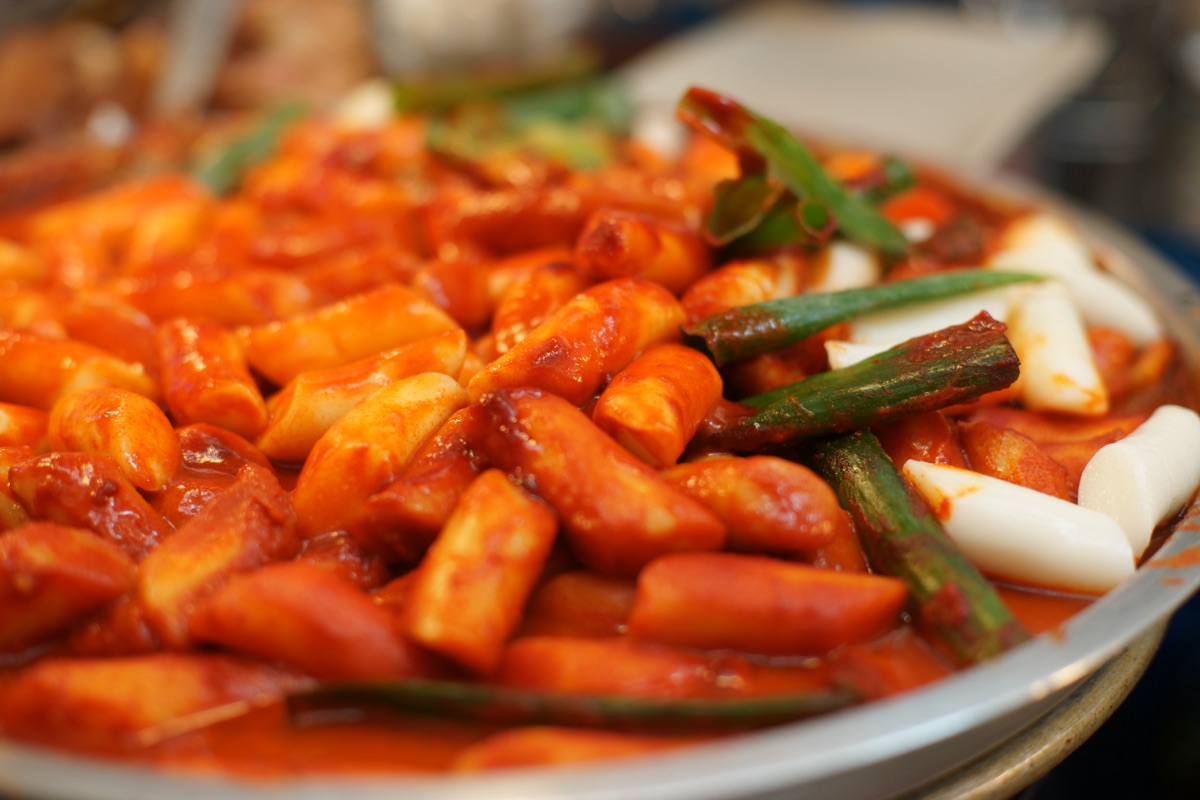
Tteokbokki
Chewy rice cakes simmered in a sweet-spicy gochujang sauce — Korea's most iconic street snack.
Eat it the right way
Curated for this dish
Ergonomic Korean stainless chopsticks
Built for beginners — grip 찰밥 and every Korean dish with confidence. 36,000원 / $35
Comments