Banchan
Doraji-namul
Seasoned Bellflower Root
Shredded bellflower root seasoned with sesame oil, garlic, and a touch of salt or chili.
Doraji-namul holds a special place in the Korean cultural imagination, as the bellflower — called doraji in Korean — is the subject of one of the most beloved folk songs of the peninsula, sung by women gathering roots in the mountains. The root itself has a pleasant bitterness reminiscent of artichoke, which is tamed through soaking in salted water and gentle kneading before cooking. Shredded into fine strips, it is then briefly sautéed or mixed raw with sesame oil, garlic, salt, and sometimes gochugaru, resulting in a crunchy, refreshing banchan with a faintly herbal undertone. Doraji is also prized in traditional Korean medicine for its respiratory benefits and has been eaten as both food and remedy for centuries, giving this namul an extra layer of significance beyond pure taste. Its pale ivory color and delicate crunch provide visual and textural diversity in a banchan spread, and it is a required component in many formal table settings and the classic Jeonju-style bibimbap.
✦ Tastypinch tip
Fine shreds can be picked up in a small bundle — press chopsticks together and lift from underneath.
How to eat it
- Eat alongside rice and other namul as part of a varied banchan spread.
- Combine with other namul over rice for a simple mixed-rice bowl.
Common mistakes
- Skipping the soaking step, which leaves an unpleasantly harsh bitterness.
Where to try it
- Jeonju bibimbap restaurants
- Traditional Korean jeongsik set-meal restaurants
You may also like

Gosari-namul
Rehydrated bracken fern shoots seasoned with soy sauce, garlic, and sesame oil.
Sigeumchi-namul
Blanched spinach lightly seasoned with sesame oil, garlic, and soy — a simple, savory everyday side.
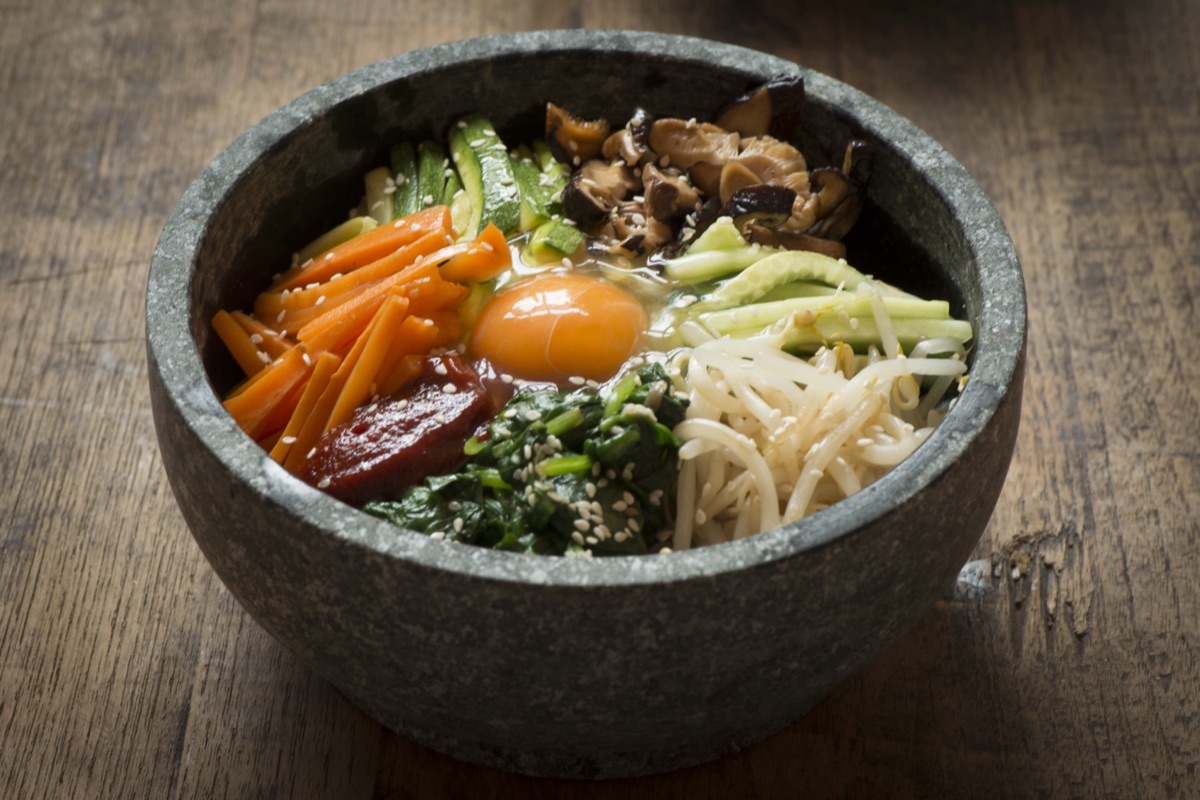
Bibimbap
Warm rice topped with seasoned vegetables, a fried egg, and gochujang — mixed together before the first bite.
Eat it the right way
Curated for this dish
Ergonomic Korean stainless chopsticks
Built for beginners — grip 도라지나물 and every Korean dish with confidence. 36,000원 / $35
Comments