Grilled
Ganjang-gejang
Soy-Marinated Raw Crab
Raw blue crab cured in a soy-garlic brine — although technically raw, it is table-finished and classically paired with grilled dishes.
Ganjang-gejang is frequently called 'rice thief' (bap-doduk) in Korean because its intensely savoury, umami-rich sauce makes it virtually impossible to stop eating rice once started. While not grilled itself, it appears on virtually every Korean grilled meat table as the essential counter-note, its cool brininess cutting through the richness of charred pork belly or beef. The crabs — typically live blue swimming crabs — are first cleaned, then submerged in a brine of soy sauce, garlic, ginger, chilli, and sometimes pear or apple for sweetness, and left to cure for anywhere from three days to several weeks. The tradition is ancient, documented in Joseon-era cookbooks as a preservation technique for coastal communities who needed to store abundant summer crab harvests. Each region of Korea has its own brine formula; Jeollanam-do versions tend to be sweeter and use more fruit, while Chungcheong versions are starker and more salty-sour. Eating ganjang-gejang requires patience — you must crack the legs, scoop out the creamy interior, and mix the sauce into your rice with deliberate pleasure.
✦ Tastypinch tip
Use the pointed end of your chopsticks to dig meat out of small leg joints.
How to eat it
- Pull off the top shell and scoop out the creamy interior with a spoon.
- Mix the crab sauce directly into your rice bowl for 'bap-doduk' style eating.
- Crack the legs with the provided tools and suck out the meat.
- Alternate bites of crab with whatever grilled meat accompanies the meal.
Common mistakes
- Eating too quickly — this is a dish meant to be savoured slowly alongside rice.
Where to try it
- Incheon Chinatown and fish market area
- Speciality gejang restaurants in Gangnam, Seoul
You may also like
Haemul-gui
An abundant spread of seasonal seafood grilled over charcoal or a live flame, served straight from the grill to the table.
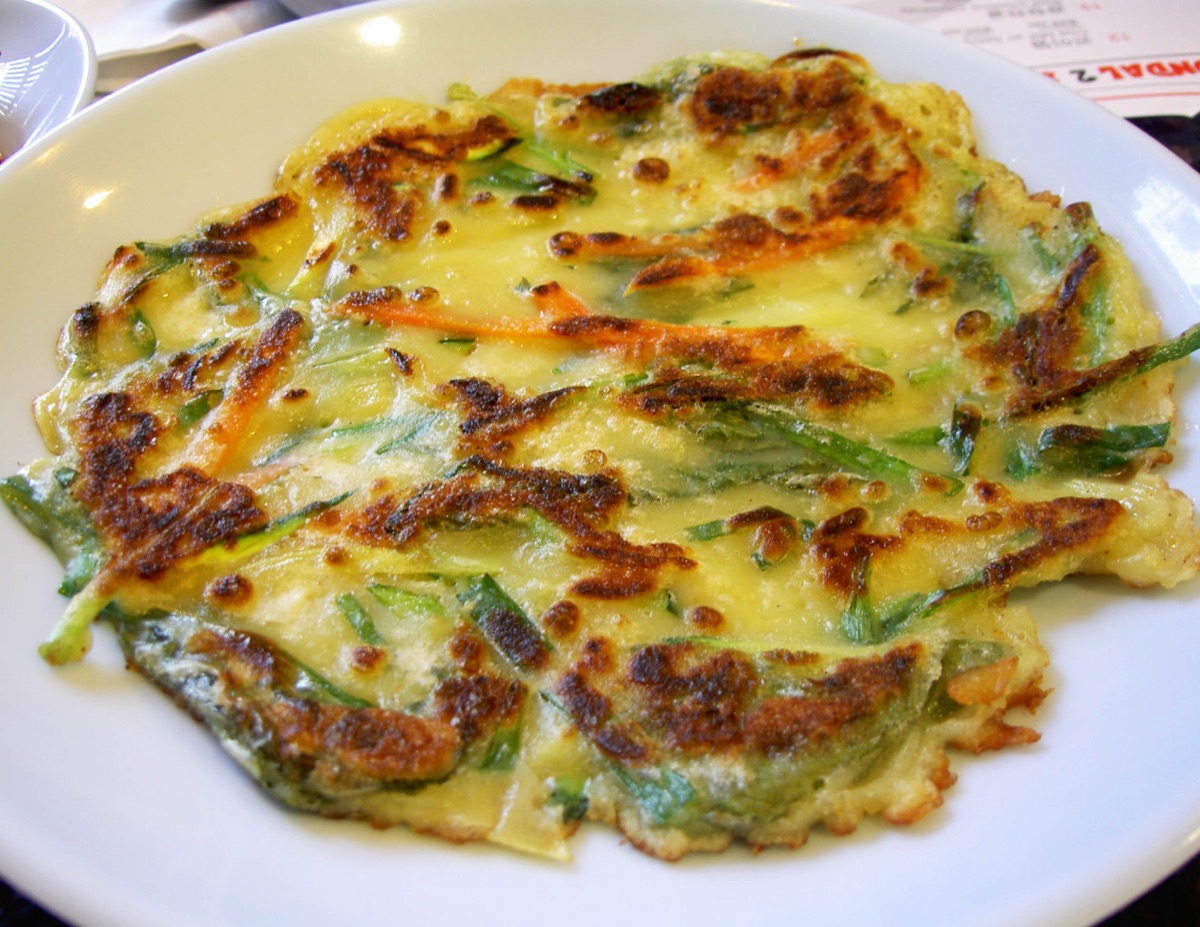
Haemul-pajeon
A crisp scallion-and-seafood pancake — the classic rainy-day dish, best enjoyed with makgeolli.
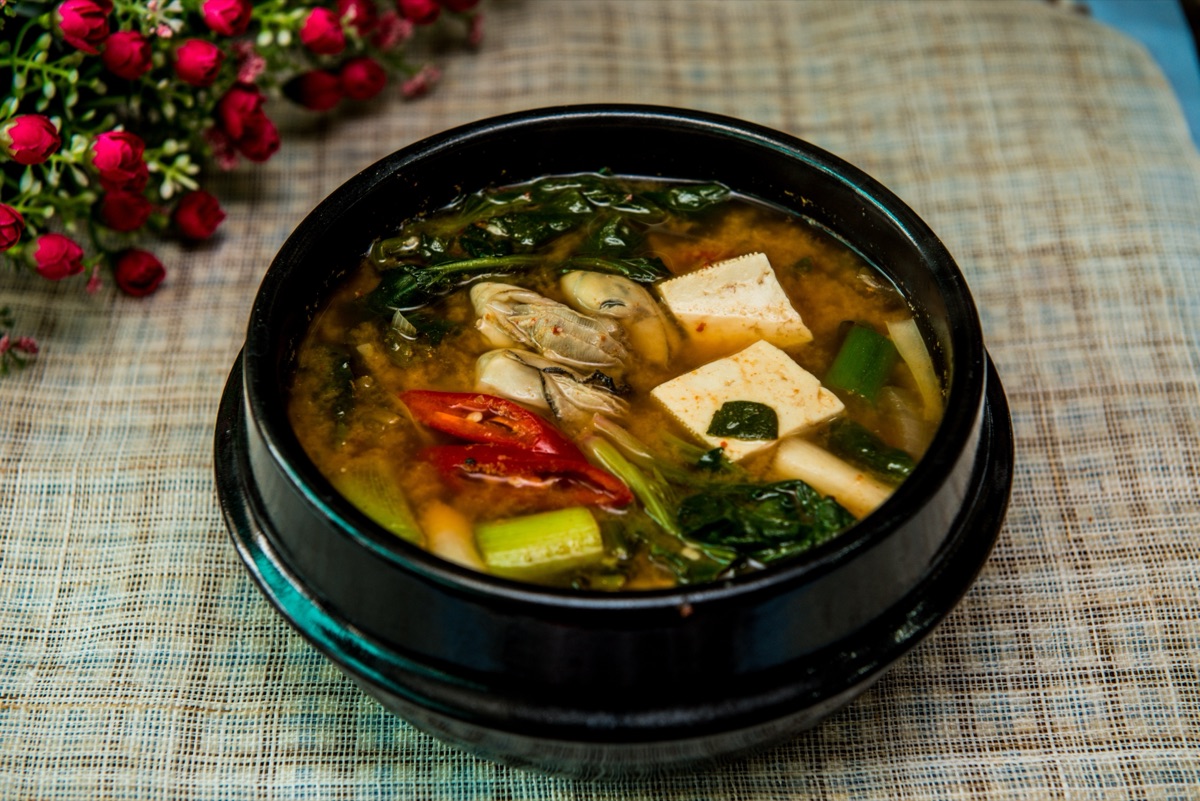
Doenjang-jjigae
An earthy stew of fermented soybean paste with tofu and vegetables — the savory backbone of the Korean table.
Eat it the right way
Curated for this dish
Ergonomic Korean stainless chopsticks
Built for beginners — grip 간장게장 and every Korean dish with confidence. 36,000원 / $35
Comments