Fermented
Gochujang
Fermented Red Chili Paste

Korea's iconic fermented chili paste — sweet, spicy, and deeply savory with a sticky, glossy texture.
Gochujang is the beating heart of Korean spice culture, a thick, brick-red paste fermented from gochugaru (Korean red chili powder), glutinous rice, fermented soybean powder (meju-garu), and salt — a combination that gives it a flavor profile uniquely its own: simultaneously hot, sweet, savory, and faintly tangy. Historically, chili peppers arrived in Korea via Japan in the 16th or 17th century, and within a few generations Korean cooks had incorporated them into the ancient tradition of meju-based fermentation to create gochujang, which is now inseparable from Korean culinary identity. The city of Sunchang in North Jeolla Province is considered the spiritual home of gochujang and hosts an annual festival celebrating the paste, where hundreds of large onggi jars line hillsides during the autumn fermentation season. Beyond its role as a cooking ingredient in dishes like tteokbokki, bibimbap, and dak-galbi, gochujang is eaten raw as a condiment — a small mound placed beside rice with doenjang and kimchi in the classic Korean peasant meal. Commercially produced versions now dominate most households, but traditionally made farmhouse gochujang, aged in outdoor jars over winter, commands premium prices and devoted followings.
How to eat it
- Use as a dipping sauce mixed with sesame oil for raw vegetables.
- Stir into bibimbap along with sesame oil and mix vigorously.
- Use as a base sauce for tteokbokki or dak-galbi.
Where to try it
- Every Korean restaurant and home kitchen
- Sunchang Gochujang Village (순창 고추장 마을), North Jeolla Province
You may also like

Doenjang
Korea's ancient fermented soybean paste — earthy, pungent, and the umami backbone of Korean cooking.
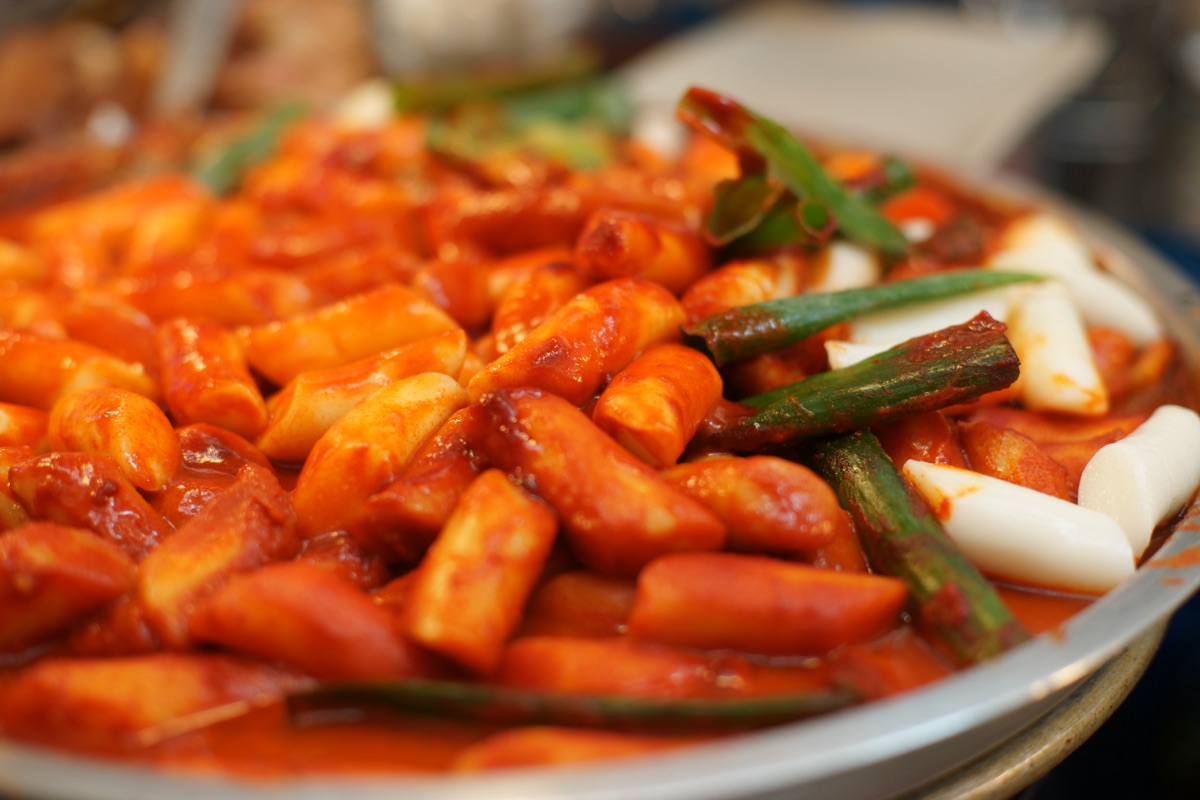
Tteokbokki
Chewy rice cakes simmered in a sweet-spicy gochujang sauce — Korea's most iconic street snack.
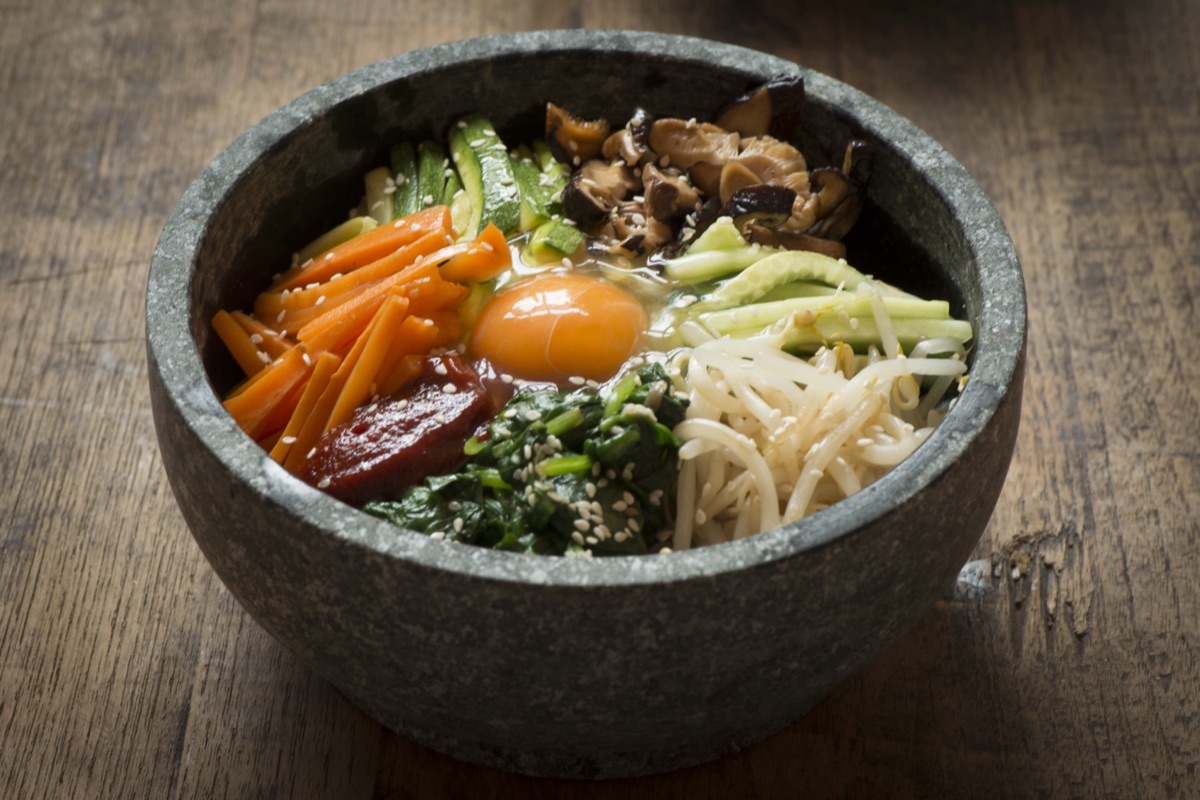
Bibimbap
Warm rice topped with seasoned vegetables, a fried egg, and gochujang — mixed together before the first bite.
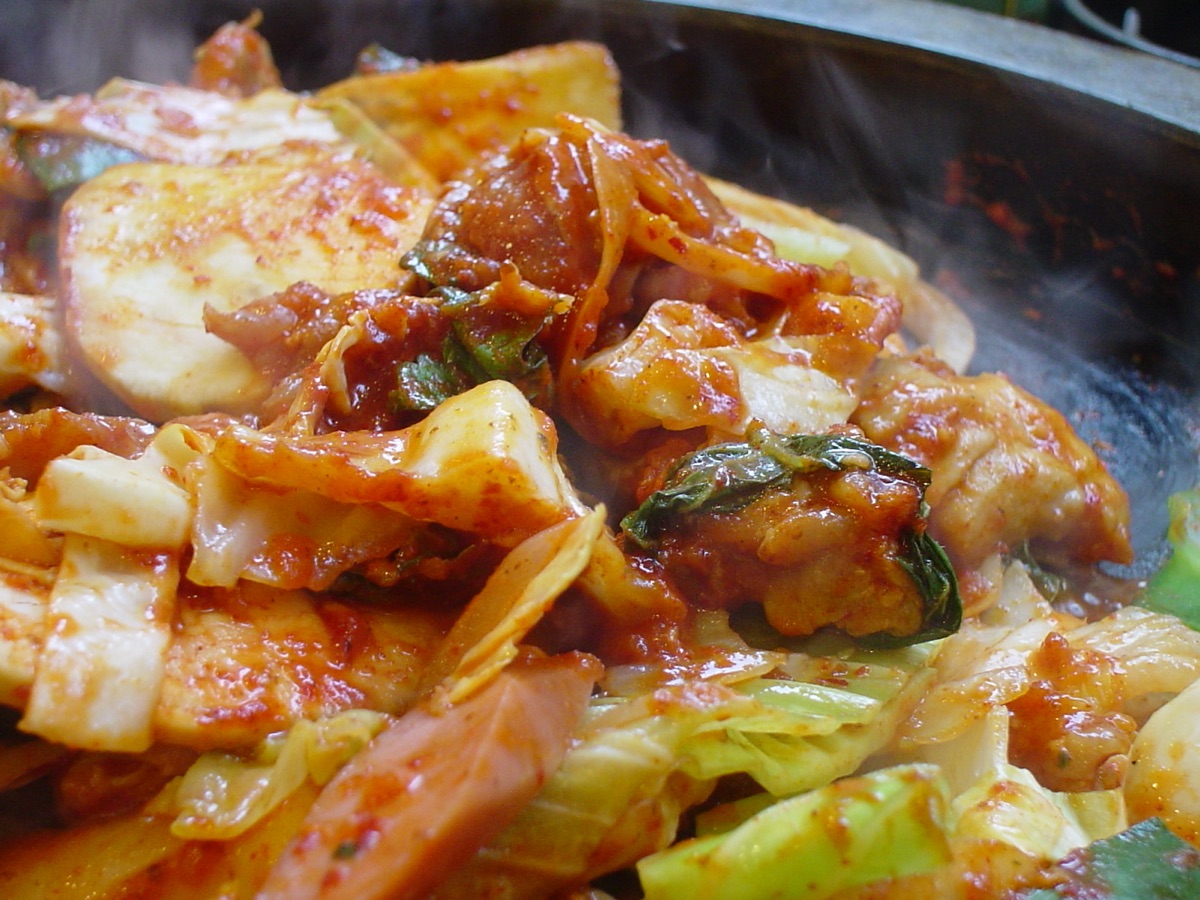
Dak-galbi
Spicy stir-fried chicken with cabbage, rice cakes, and gochujang, cooked on a hot plate at your table.
Eat it the right way
Curated for this dish
Ergonomic Korean stainless chopsticks
Built for beginners — grip 고추장 and every Korean dish with confidence. 36,000원 / $35
Comments