Noodle
Jjamppong
Spicy Seafood Noodle Soup
A fiery, seafood-packed noodle soup with a vivid red broth that rivals jajangmyeon for the hearts of Korean diners.
Jjamppong and jajangmyeon are the eternal rivals of Korean-Chinese cuisine, and choosing between them at a restaurant is a minor rite of passage for every Korean. The soup's volcanic red broth is built on a base of stir-fried gochugaru, garlic, and a medley of seafood — squid, mussels, clams, shrimp — which lend a briny depth that makes every sip addictive. Like jajangmyeon, the dish evolved from Chinese champon noodles introduced by Incheon's Shandong Chinese immigrant community, but Korean cooks cranked up the heat and seafood generosity dramatically. The thick wheat noodles soak up the spiced broth beautifully, and diners frequently mop up every last drop with the noodles or by ordering a side of rice to finish the bowl. On cold winter evenings, a steaming bowl of jjamppong is considered deeply restorative — Koreans call this warming, energizing quality 'haejangguk energy,' even if the dish itself is not a hangover cure.
✦ Tastypinch tip
Use the chopsticks to hold larger seafood pieces while biting — mussels and clams can be slippery.
How to eat it
- Taste the broth first before adding any condiments.
- Eat noodles and seafood together for the full flavor combination.
- Order a small bowl of rice to finish the remaining broth if desired.
Common mistakes
- Underestimating the spice level — even 'mild' versions can surprise non-spice-eaters.
Where to try it
- Incheon Chinatown restaurants
- Hwa Gyo Chinese-Korean restaurants nationwide
You may also like

Jajangmyeon
Thick wheat noodles smothered in a rich, savory black bean paste sauce with pork and vegetables.
Ramyeon
Instant wheat noodles in a spicy, savory broth — Korea's most-eaten quick meal, cooked in minutes.
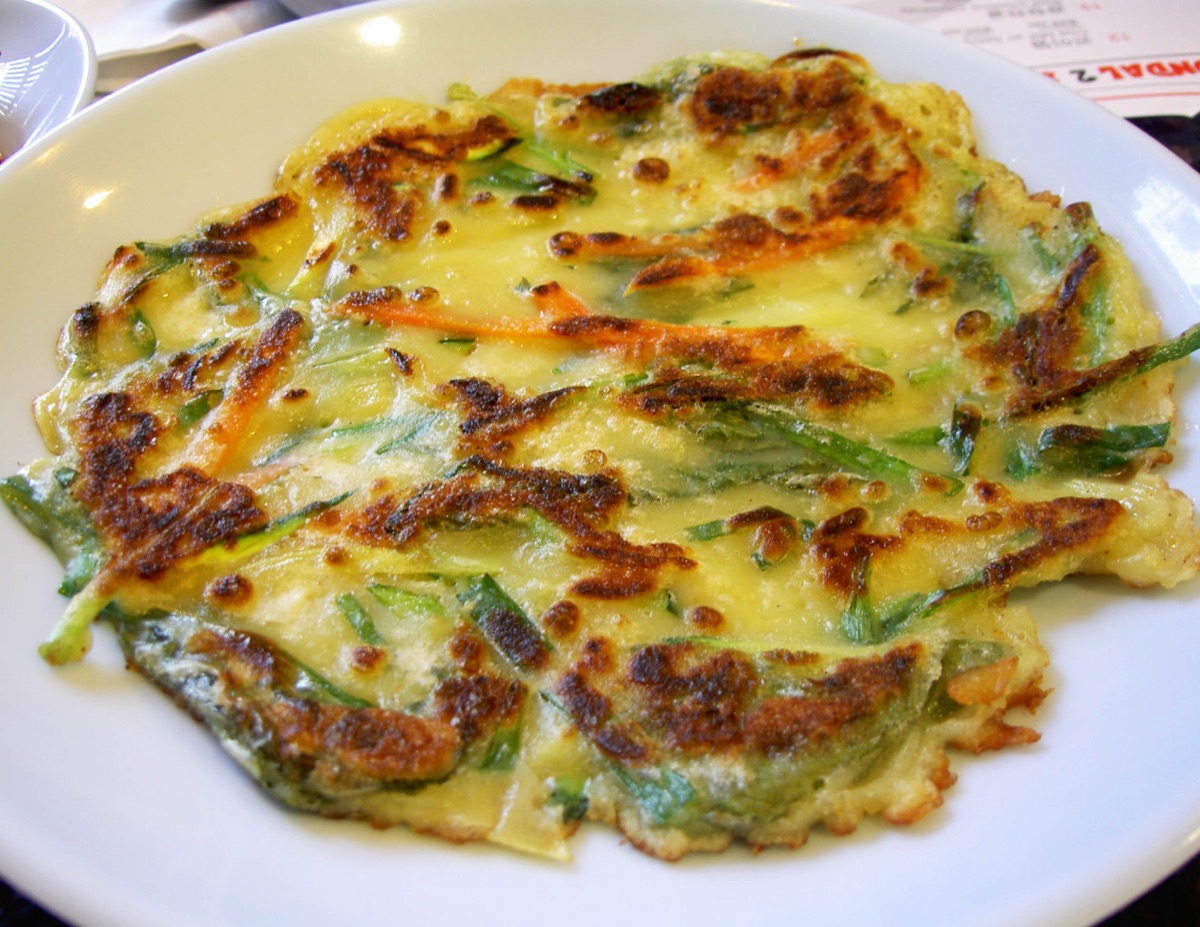
Haemul-pajeon
A crisp scallion-and-seafood pancake — the classic rainy-day dish, best enjoyed with makgeolli.
Eat it the right way
Curated for this dish
Ergonomic Korean stainless chopsticks
Built for beginners — grip 짬뽕 and every Korean dish with confidence. 36,000원 / $35
Comments