Snack
Mandu
Korean Dumplings
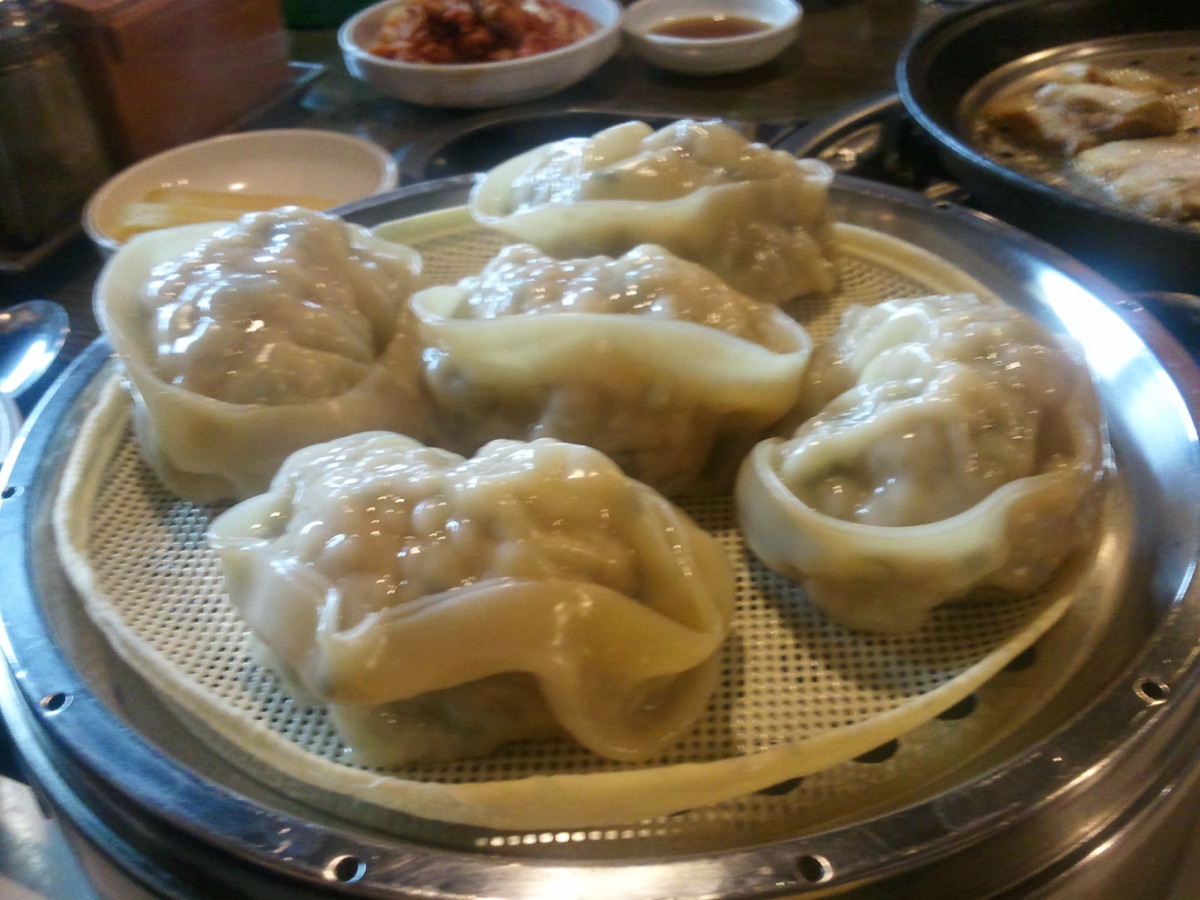
Korean dumplings filled with pork, vegetables, or kimchi — steamed, boiled, or fried, and endlessly versatile.
Mandu are Korean dumplings, their thin wrappers stuffed with combinations of pork, tofu, glass noodles, garlic chives, and kimchi, then steamed, boiled, pan-fried, or dropped into soup. They span the whole spectrum of eating, from a quick street-stall snack to a comforting bowl of mandu-guk and a treasured part of Lunar New Year. Making them by hand is a family activity passed down through generations, and the northern regions especially are known for hearty versions. Frozen mandu is also a freezer staple in nearly every Korean home. With mild, savory fillings and a familiar dumpling form, it's an easy, crowd-pleasing entry point to Korean food.
✦ Tastypinch tip
Pick a dumpling up from underneath rather than pinching its top, so the thin skin doesn't tear and spill the juice.
How to eat it
- Dip lightly in the soy-vinegar sauce — don't soak it.
- Eat steamed or boiled mandu in one or two bites; let fried ones cool slightly.
- Try them in soup (mandu-guk) for a warming meal.
Common mistakes
- Don't drown them in dipping sauce — the filling is already seasoned.
- Fillings vary widely; ask for kimchi or vegetable mandu if you avoid pork.
Where to try it
- Dumpling houses and market stalls
- Old-Seoul mandu institutions around Insadong
- Frozen in every grocery store
Comments