Snack
Twigim
Korean Fried Snacks
An assortment of battered and deep-fried vegetables, shrimp, and dumplings served with sweet tteokbokki sauce.
Twigim is the umbrella term for the battered, deep-fried snacks sold at Korean street food carts, and a standard assortment might include fried vegetables (sweet potato, perilla leaf, green chili), shrimp, squid, and even stuffed dumplings, all cooked in a thin, lightly seasoned batter that crisps beautifully in hot oil. The genius of twigim culture is how it pairs with tteokbokki: Koreans routinely dunk their fried snacks into the spicy rice-cake sauce, letting the crunchy exterior soak up the sweet-spicy broth for a flavor combination that has become a national institution. Gwangjang Market in Seoul is arguably the most famous destination for twigim, where grandmothers have manned their oil vats for decades, perfecting the batter ratio and fry temperature through years of practice. The snack traces its lineage to Japanese tempura introduced during the colonial period, but Korean twigim uses a heavier, more savory batter and is almost always eaten with a dipping sauce rather than plain. For many Koreans, the word twigim conjures immediate memories of school-gate vendors and childhood afternoons, making it one of the most emotionally resonant street foods in the national repertoire. The combination of affordability and satisfying crunch ensures it remains the backbone of any pojangmacha menu.
✦ Tastypinch tip
Use chopsticks or the wooden skewer the vendor provides to handle the hot pieces.
How to eat it
- Pick your preferred items from the assortment the vendor displays.
- Dip each piece into the communal tteokbokki sauce pot.
- Eat immediately while the batter is still crisp.
Common mistakes
- Asking for twigim without specifying items — point to what you want from the display.
Where to try it
- Gwangjang Market, Seoul
- Noryangjin Fish Market area, Seoul
You may also like
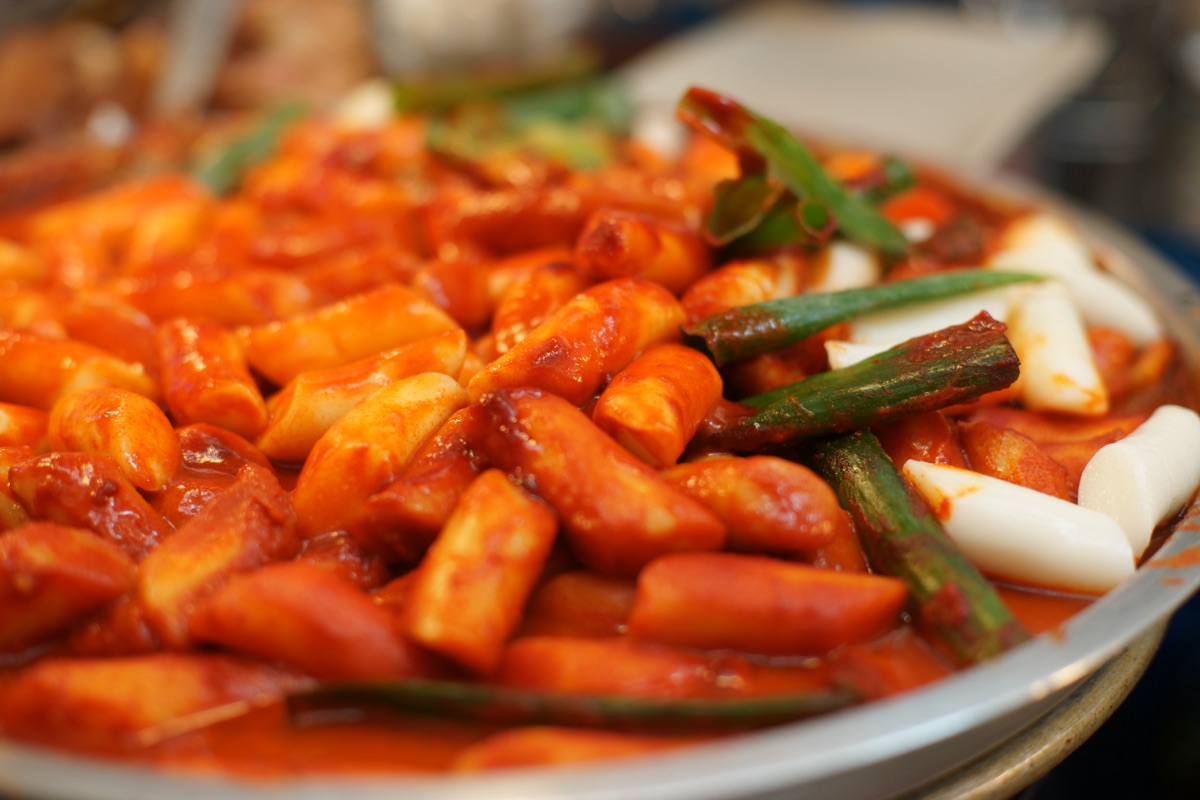
Tteokbokki
Chewy rice cakes simmered in a sweet-spicy gochujang sauce — Korea's most iconic street snack.
Eomuk
Soft fish cakes threaded on skewers and simmered in a light, savory broth — the quintessential Korean winter street food.
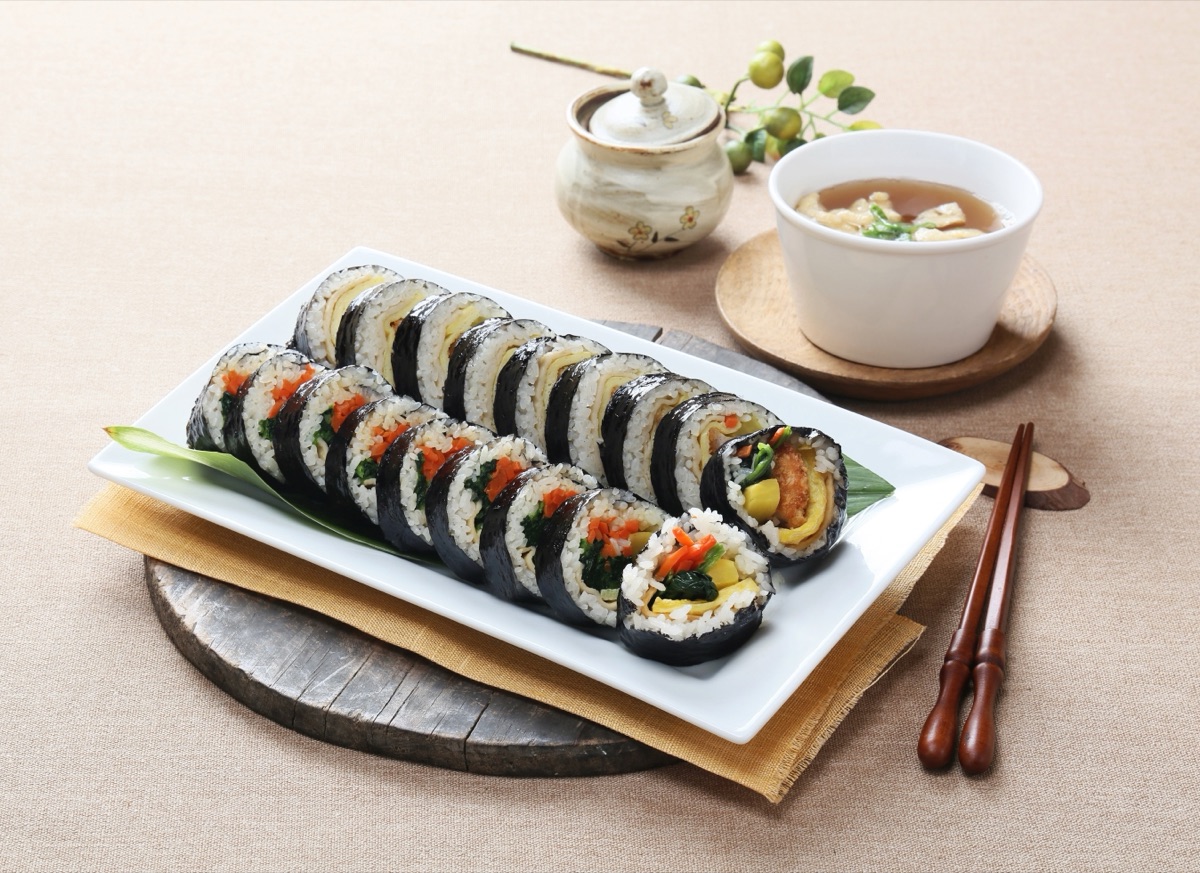
Gimbap
Rice and fillings rolled in seaweed and sliced into bite-size rounds — Korea's everyday portable meal.
Eat it the right way
Curated for this dish
Ergonomic Korean stainless chopsticks
Built for beginners — grip 튀김 and every Korean dish with confidence. 36,000원 / $35
Comments