Banchan
Gim-gui
Roasted Seasoned Seaweed
Thin sheets of seaweed brushed with sesame oil and salt, roasted until crisp and fragrant.
Gim-gui — roasted and seasoned seaweed — may be the simplest banchan in the Korean repertoire, requiring little more than a sheet of dried laver, a brush of sesame oil, a pinch of salt, and a moment over a flame, yet it delivers an irreplaceable toasty, oceanic crunch that no other banchan replicates. The transformation that heat works on dried seaweed is remarkable: dull, flat sheets of gim become crackling, iridescent, deep-green tiles that shatter on the tongue and release a wave of umami richness perfumed with sesame. Gim is one of the first solid foods given to Korean babies when transitioning from milk, and it remains a comfort food for all ages — wrapped around a bite of rice, folded and eaten as a portable snack, or crushed over bibimbap as a seasoning. Korea has cultivated and eaten seaweed for over a thousand years, and the country's southern and western coastal waters produce gim that is exported worldwide. The arrival of packaged, pre-roasted gim as a global snack food in recent decades has introduced this Korean staple to millions who would never previously have encountered it.
✦ Tastypinch tip
Hold the seaweed flat and place rice on it before folding — gim tears easily if handled roughly.
How to eat it
- Wrap a small mound of rice in a half-sheet of gim and eat in one bite.
- Tear into smaller pieces and use to scoop up portions of other banchan.
- Eat immediately — gim loses its crispness quickly after opening.
Common mistakes
- Leaving it exposed to air too long — humidity is gim's enemy.
Where to try it
- Any Korean meal restaurant (served automatically)
- Korean grocery store snack aisles worldwide
You may also like
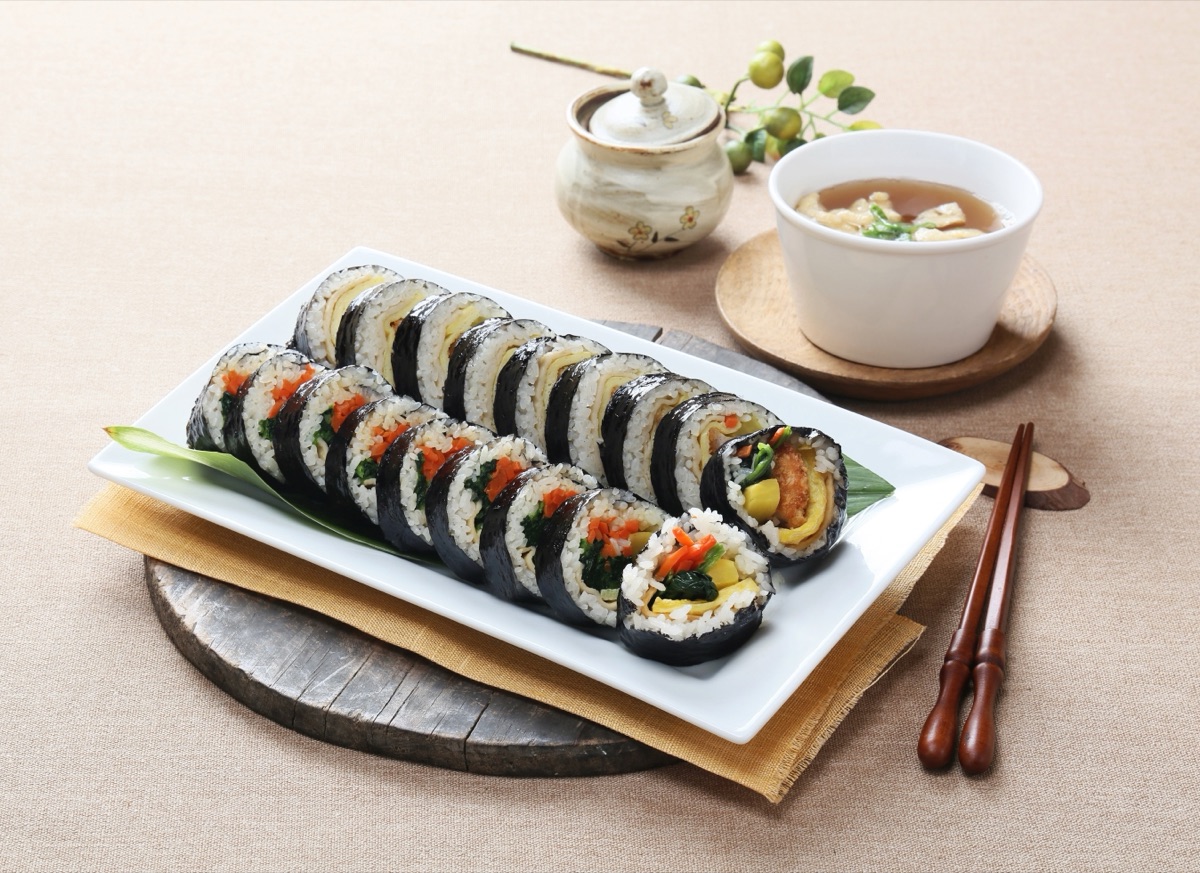
Gimbap
Rice and fillings rolled in seaweed and sliced into bite-size rounds — Korea's everyday portable meal.
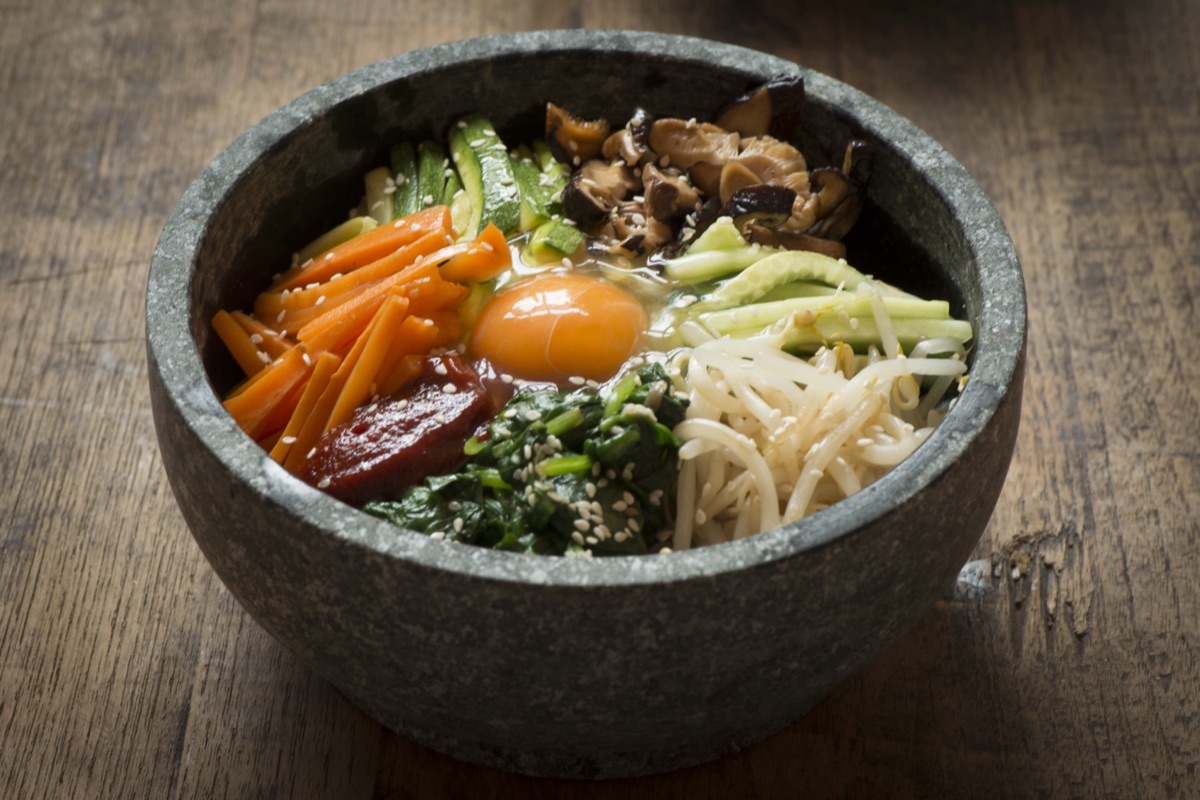
Bibimbap
Warm rice topped with seasoned vegetables, a fried egg, and gochujang — mixed together before the first bite.
Mu-saengchae
Julienned raw Korean radish tossed with chili flakes, vinegar, and sesame in a bright, crunchy salad.
Eat it the right way
Curated for this dish
Ergonomic Korean stainless chopsticks
Built for beginners — grip 김구이 and every Korean dish with confidence. 36,000원 / $35
Comments