Sweet
Hobakjuk
Sweet Pumpkin Porridge

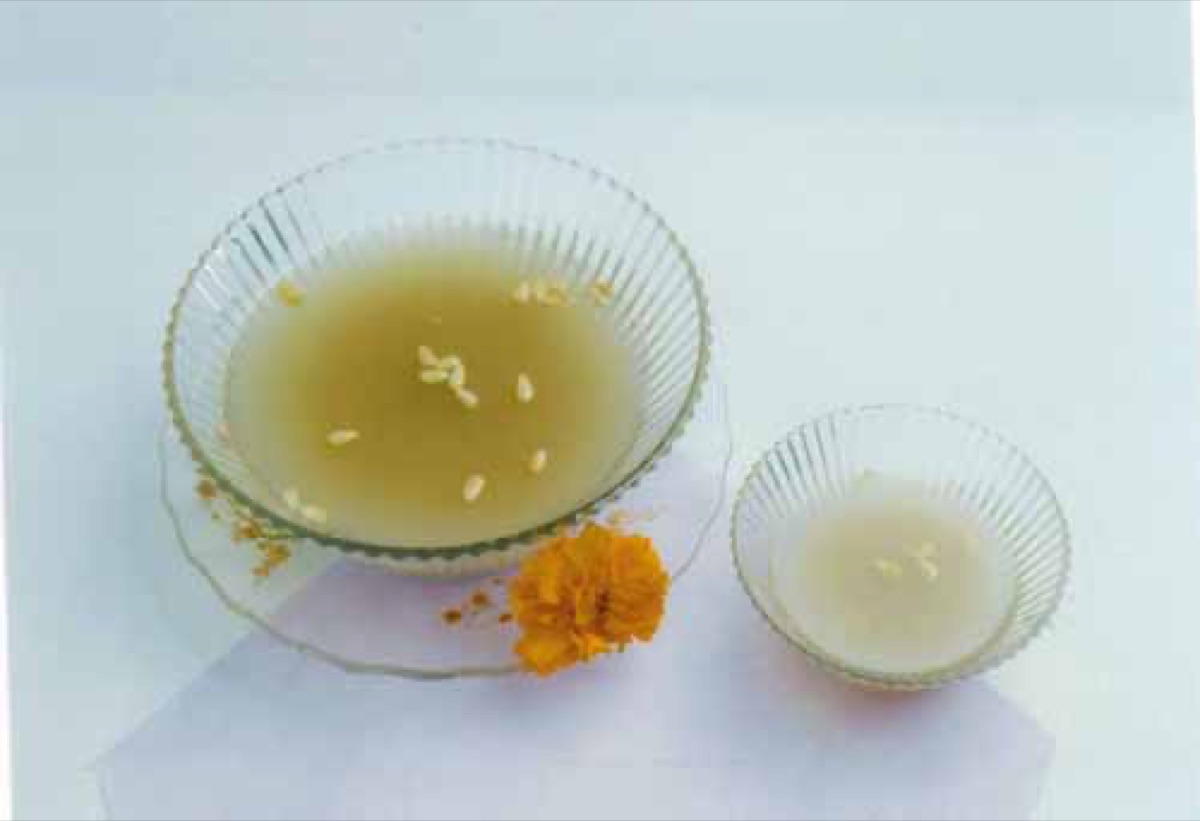
Velvety sweet pumpkin porridge with chewy glutinous rice balls, a warming Korean dessert.
Hobakjuk occupies a special place in Korean food culture as both a comfort food and a gentle medicinal dish, traditionally eaten by the elderly, the ill, and new mothers recovering after childbirth because it is easily digestible and naturally rich in vitamins. Made by simmering peeled pumpkin or butternut squash until completely soft, blending it smooth, then simmering with a small amount of rice flour until thickened, the porridge is finished with small chewy glutinous rice balls (gyeongdan) that dot the golden liquid and add textural contrast. The sweetness comes entirely from the pumpkin itself, occasionally enhanced with a little sugar or honey, making hobakjuk one of the few Korean dishes that tastes dessert-like without any refined sugar in traditional recipes. Autumn is the peak season for hobakjuk, when Korean markets overflow with the large, dense cheongdung hobak (청둥호박) prized for its rich flavour, but the porridge is made year-round. Many Koreans remember hobakjuk as what their grandmothers made when they were sick as children, giving it an irreplaceable emotional warmth alongside its nutritional reputation.
✦ Tastypinch tip
Use a spoon — this is a porridge-type dish not suitable for chopsticks.
How to eat it
- Stir gently to distribute the rice balls throughout the porridge.
- Eat with a spoon, catching a rice ball in each spoonful.
- Add a tiny pinch of salt if provided — it sharpens the pumpkin's natural sweetness.
Common mistakes
- Adding too much salt — hobakjuk is supposed to taste purely of sweet pumpkin with minimal seasoning.
Where to try it
- Juk bar chains (Bonjuk, O'Kizzu) nationwide
- Traditional Korean porridge restaurants in Insadong, Seoul
You may also like
Sikhye
A sweet, cold rice drink with floating grains — a traditional dessert beverage and natural digestive.

Sujeonggwa
Spiced cinnamon and ginger punch sweetened with sugar and garnished with dried persimmon and pine nuts.

Chapssaltteok
Soft and chewy glutinous rice cake stuffed with sweet red bean paste.
Eat it the right way
Curated for this dish
Ergonomic Korean stainless chopsticks
Built for beginners — grip 호박죽 and every Korean dish with confidence. 36,000원 / $35
Comments