Rice
Sanchae-bibimbap
Mountain Herb Bibimbap
Bibimbap made with wild mountain greens and foraged herbs instead of standard vegetables.
Sanchae-bibimbap is the forest floor brought to the table — a bibimbap variation that replaces the usual seasoned spinach and bean sprouts with a rotating cast of wild-foraged mountain greens including gosari (bracken fern), toraji (bellflower root), chwinamul (aster scaber), and doraenamu shoots. The dish is most closely associated with the mountainous areas of Gangwon Province and the highland temples of Jiri Mountain, where Buddhist monks have long prepared plant-based meals using what the surrounding forest provides. Each spring, mountain villages hold foraging festivals that centre on the harvest of sanchae ingredients, and roadside restaurants near national parks fill with hikers ordering these bowls after long treks. The flavours are earthier, more bitter, and more varied than standard bibimbap, reflecting the terroir of a specific mountain region. It is considered one of the healthiest expressions of Korean food, aligning with jiyeok-sikpum (local food) philosophy.
How to eat it
- Add the sauce of your choice — doenjang for earthier, gochujang for spicier.
- Mix vigorously to combine all greens and rice.
- Savour the variety of textures and bitter-sweet flavours.
Where to try it
- Restaurants near Jirisan National Park entrances
- Gangwon Province mountain village restaurants
You may also like
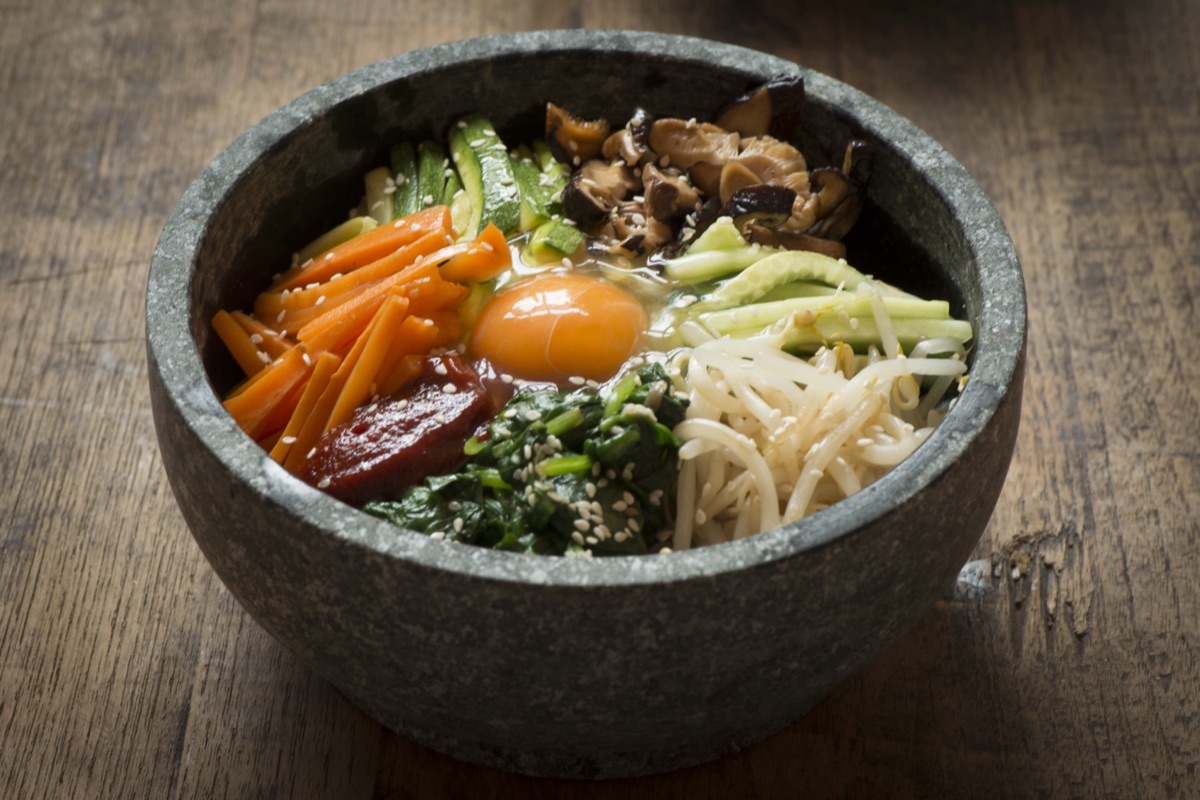
Bibimbap
Warm rice topped with seasoned vegetables, a fried egg, and gochujang — mixed together before the first bite.
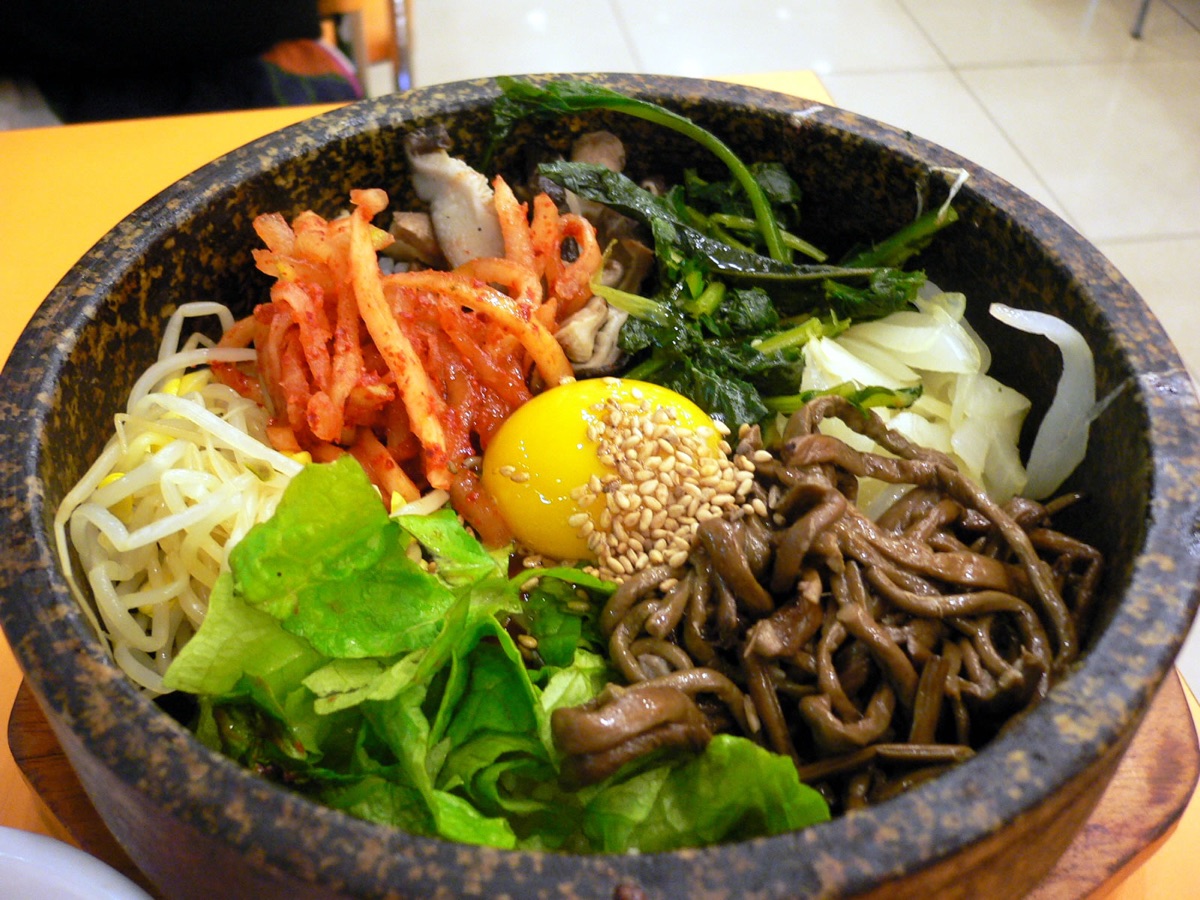
Dolsot-bibimbap
Bibimbap served in a sizzling stone bowl that crisps the bottom layer of rice into golden nurungji.
Sigeumchi-namul
Blanched spinach lightly seasoned with sesame oil, garlic, and soy — a simple, savory everyday side.
Eat it the right way
Curated for this dish
Ergonomic Korean stainless chopsticks
Built for beginners — grip 산채비빔밥 and every Korean dish with confidence. 36,000원 / $35
Comments