Rice
Spam-bokkeumbap
Spam Fried Rice
Korean fried rice studded with golden cubes of pan-fried Spam, a beloved fusion staple.
Spam arrived in Korea during the Korean War as US military rations, and Koreans transformed it from a wartime convenience into a cherished pantry ingredient that commands premium gift-set prices at department stores today. Spam-bokkeumbap takes this cultural love affair to its most direct expression — the canned luncheon meat is cubed and pan-fried separately until the edges caramelise to a deep golden brown, then tossed with fried rice, kimchi, or vegetables. The slight sweetness of Spam interacts beautifully with the savoury, sesame-oil-finished rice. It is a particularly popular dish for children and is found on school cafeteria menus and in children's lunch boxes across the country. Spam is so embedded in Korean food culture that gift sets of Spam cans are given at Chuseok and Lunar New Year, making it one of the most socially significant processed foods in the world.
How to eat it
- Mix everything together, making sure to get a Spam cube in each spoonful.
- Eat with kimchi on the side to cut the richness.
Where to try it
- Korean home kitchens
- Korean brunch cafes
- Budae-jjigae restaurants
You may also like
Bokkeumbap
Classic Korean fried rice tossed in a hot wok with vegetables, egg, and sesame oil.
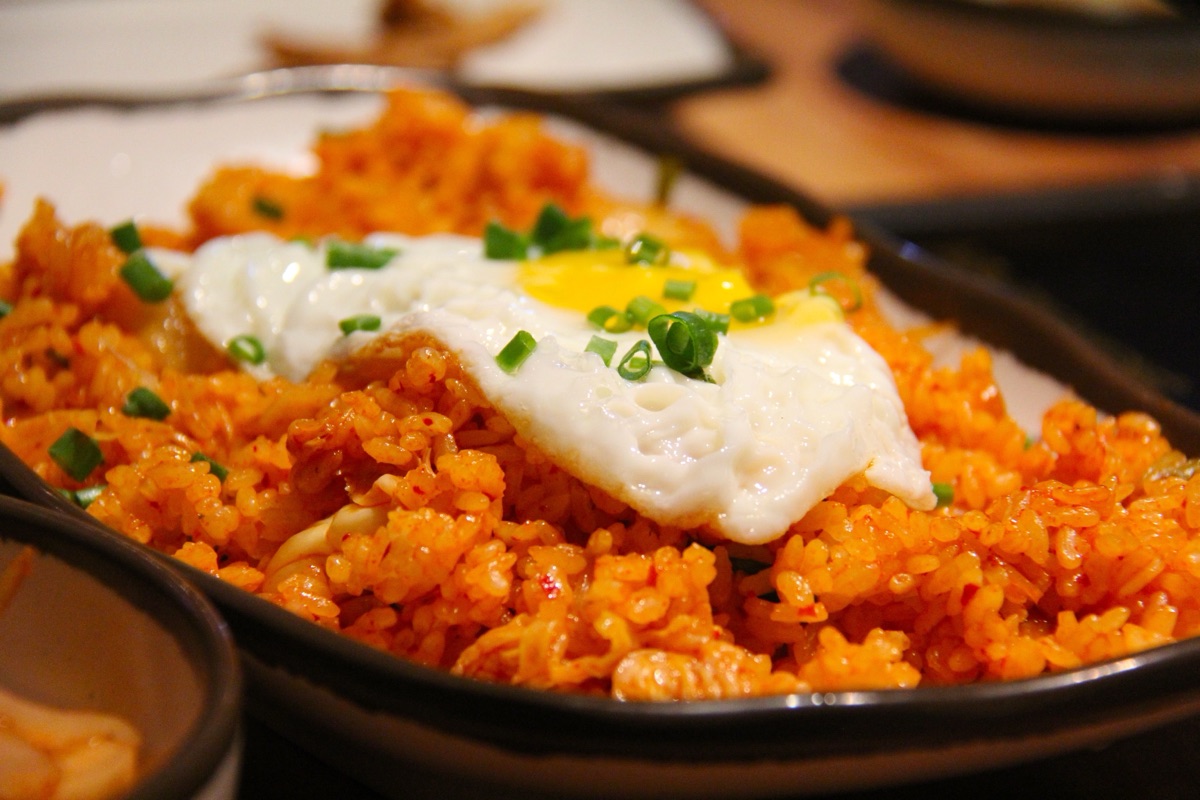
Kimchi Bokkeumbap
Aged kimchi and rice stir-fried together, usually crowned with a runny fried egg.
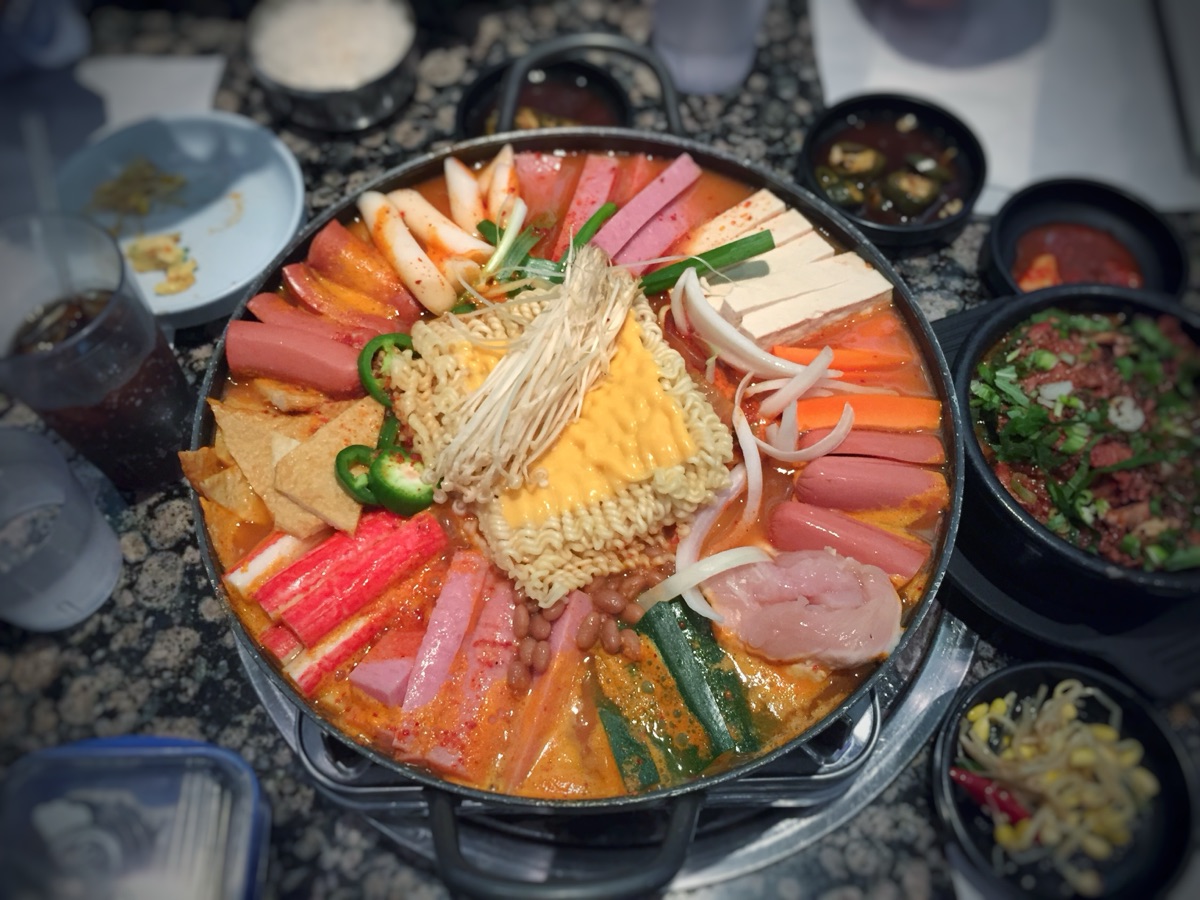
Budae-jjigae
A bubbling 'army stew' of kimchi, sausage, Spam, and ramyeon noodles — a spicy, hearty shared pot.
Eat it the right way
Curated for this dish
Ergonomic Korean stainless chopsticks
Built for beginners — grip 스팸볶음밥 and every Korean dish with confidence. 36,000원 / $35
Comments