Rice
Ssambap
Wrapped Rice
Steamed rice and savory fillings wrapped in fresh leafy greens.
Ssambap is one of the most communal and interactive meals in Korean dining culture, rooted in the belief that wrapping food in leaves brings health and good fortune. Diners gather around a table laden with perilla leaves, lettuce, steamed cabbage, and sesame leaves, then build each bite themselves — a small spoonful of rice, a morsel of grilled meat, a dab of doenjang or ssamjang. The practice stretches back centuries and appears in Joseon-era records as a springtime ritual, when fresh greens symbolised renewal. Regional variations abound: in Jeolla Province ssambap restaurants serve over a dozen different leaf varieties alongside fermented pastes unique to the area. Eating ssambap is considered deeply nourishing, and older Koreans often say that a single well-wrapped bite — called one ssal (한 쌈) — is worth a full meal.
✦ Tastypinch tip
It is perfectly acceptable — and expected — to use your hands to wrap and eat ssambap.
How to eat it
- Place a leaf flat on your palm.
- Add a small scoop of rice and any desired fillings.
- Add a small dab of ssamjang paste.
- Fold or roll the leaf and eat in one or two bites.
Common mistakes
- Overfilling the wrap so it cannot be closed — keep the rice scoop small.
Where to try it
- Ssambap specialty restaurants in Jeonju
- Grilled-meat restaurants nationwide
You may also like
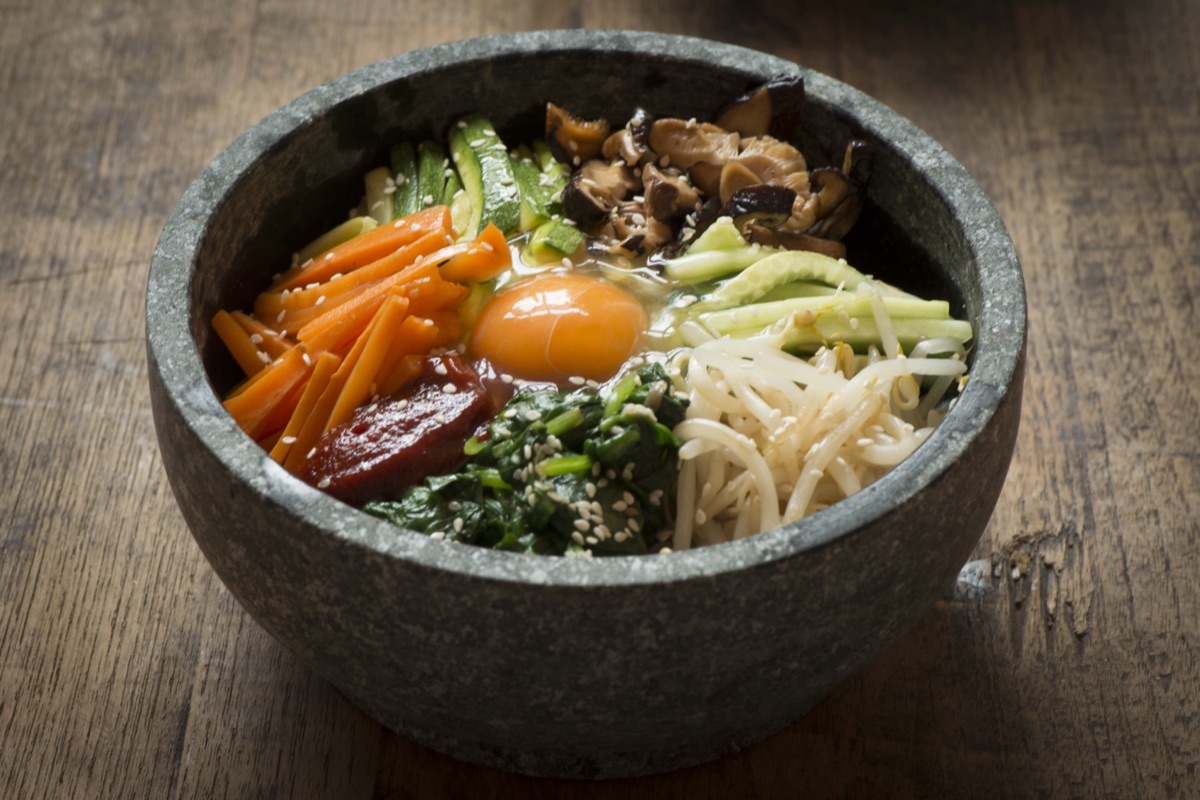
Bibimbap
Warm rice topped with seasoned vegetables, a fried egg, and gochujang — mixed together before the first bite.
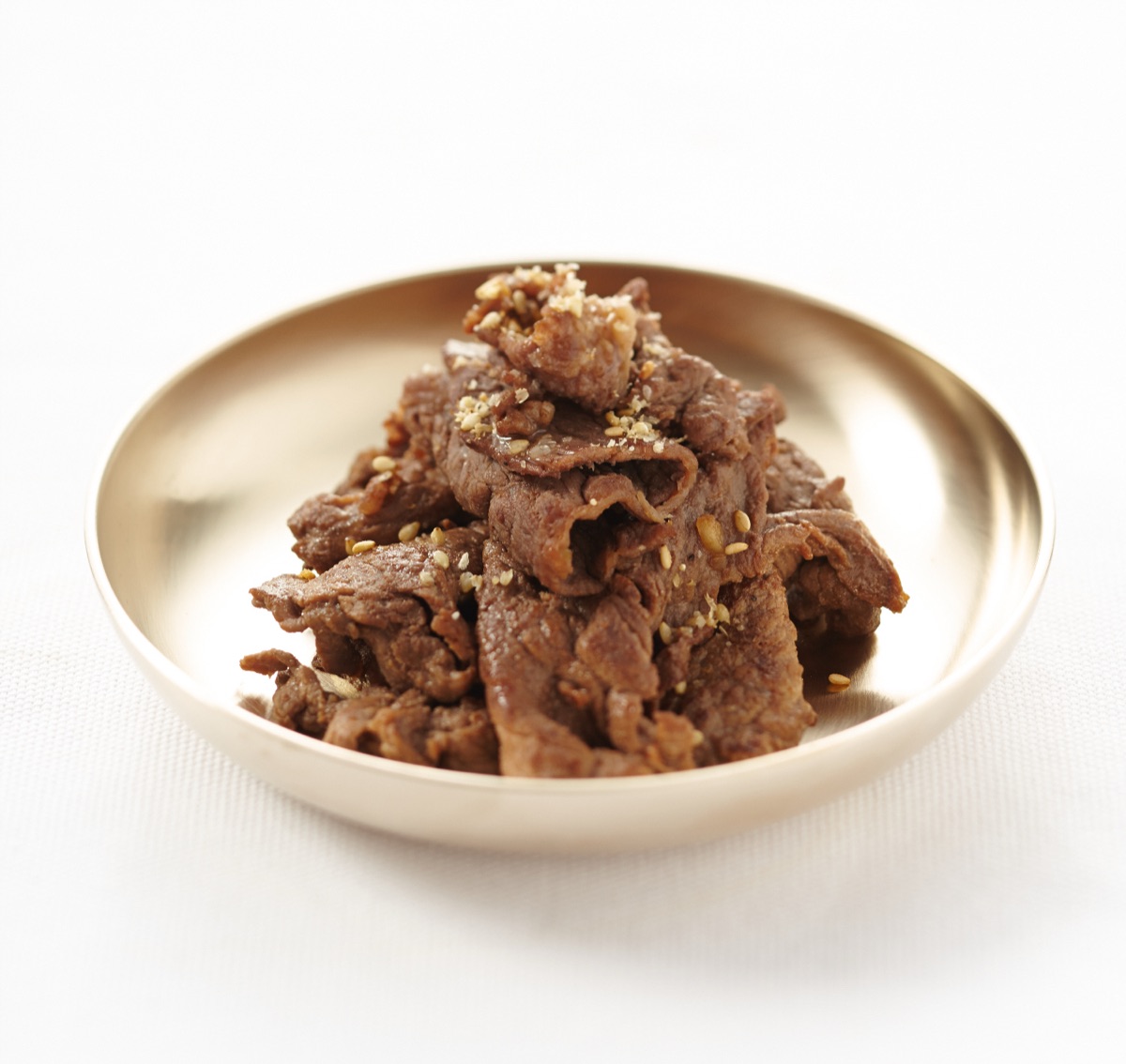
Bulgogi
Thinly sliced beef marinated in sweet soy sauce, grilled or pan-cooked — the gentle gateway to Korean meat dishes.
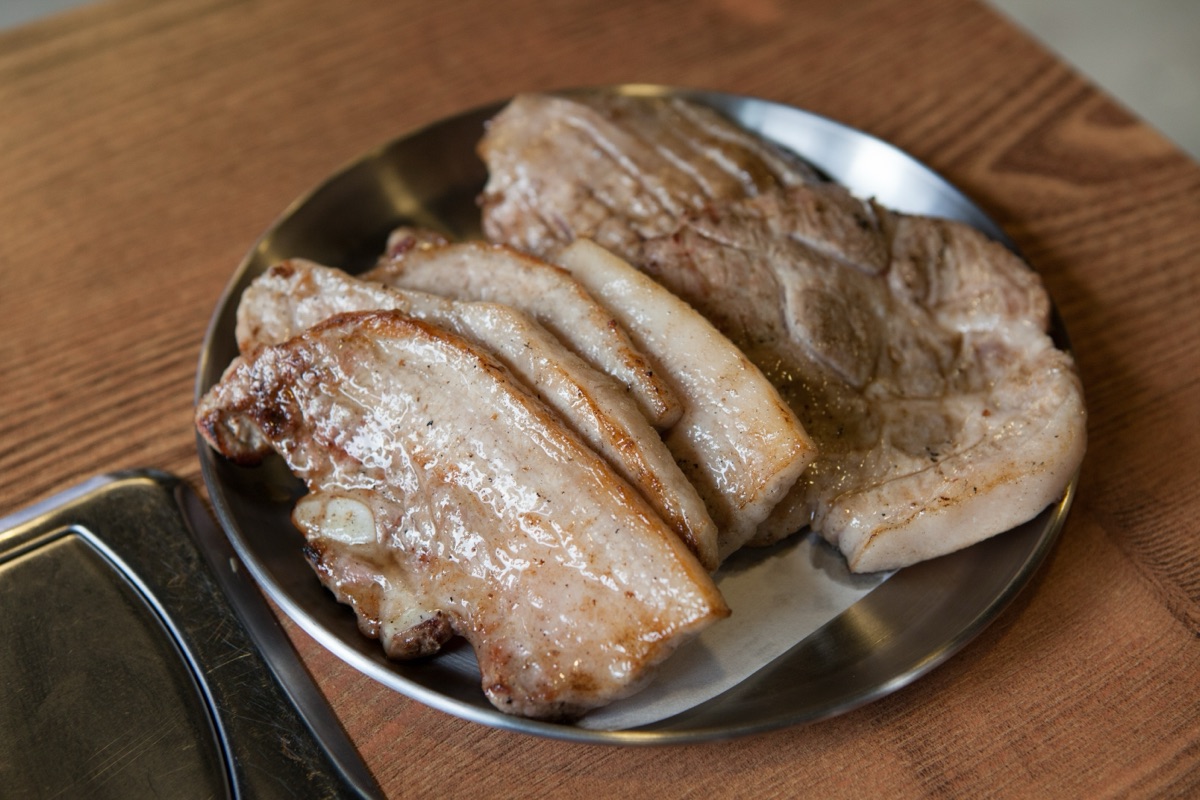
Samgyeopsal-gui
Thick-cut pork belly grilled at the table, wrapped in lettuce with garlic, ssamjang, and grilled kimchi.
Eat it the right way
Curated for this dish
Ergonomic Korean stainless chopsticks
Built for beginners — grip 쌈밥 and every Korean dish with confidence. 36,000원 / $35
Comments