Banchan
Kongnamul-muchim
Seasoned Soybean Sprouts
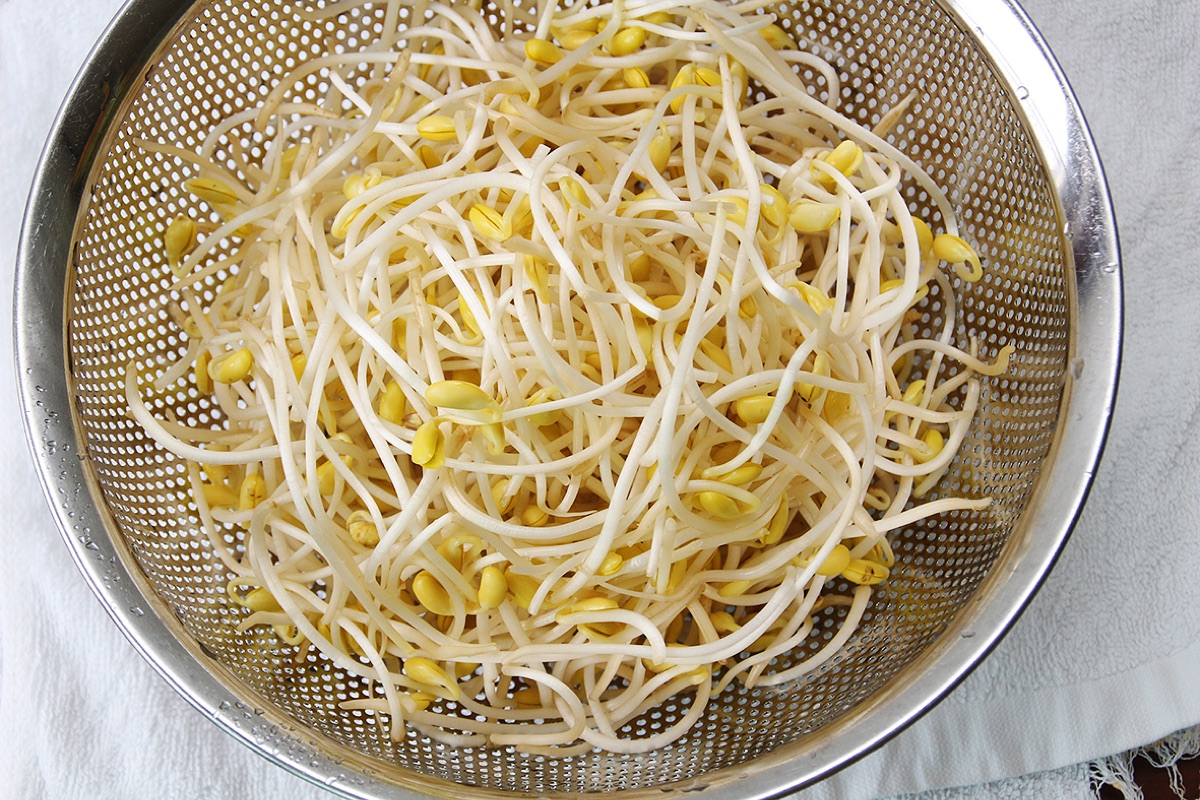
Blanched soybean sprouts seasoned with sesame oil, garlic, and a touch of salt — a staple banchan on almost any Korean table.
Kongnamul-muchim is the quiet workhorse of the Korean table: crunchy soybean sprouts, briefly blanched and dressed simply with sesame oil, garlic, and salt or a little chili. It appears as banchan at nearly every meal, refilled freely and never charged for, there to refresh the palate between richer bites. Beyond the table it's woven into daily life — the broth from cooking the sprouts is a folk hangover remedy, and the sprouts go into soups and bibimbap alike. It's cheap, light, nutritious, and reliably vegan in its plainest form. To a newcomer it's a gentle, unthreatening first taste of how Koreans season vegetables.
✦ Tastypinch tip
Bunch a few sprouts together and pinch at the root end — they tangle into a neat bite.
How to eat it
- Take small pinches with chopsticks — banchan is shared, not piled on your plate.
- Refills are usually free; ask the server for a refill (리필) if it runs out.
- Eat between richer bites to refresh your palate.
Common mistakes
- Don't finish all the banchan before the main dish arrives.
- Take what you'll eat rather than dragging it around the dish.
Where to try it
- A default side at any Korean home-style meal
- Banchan markets in traditional neighborhoods (e.g. Mangwon, Tongin)
You may also like
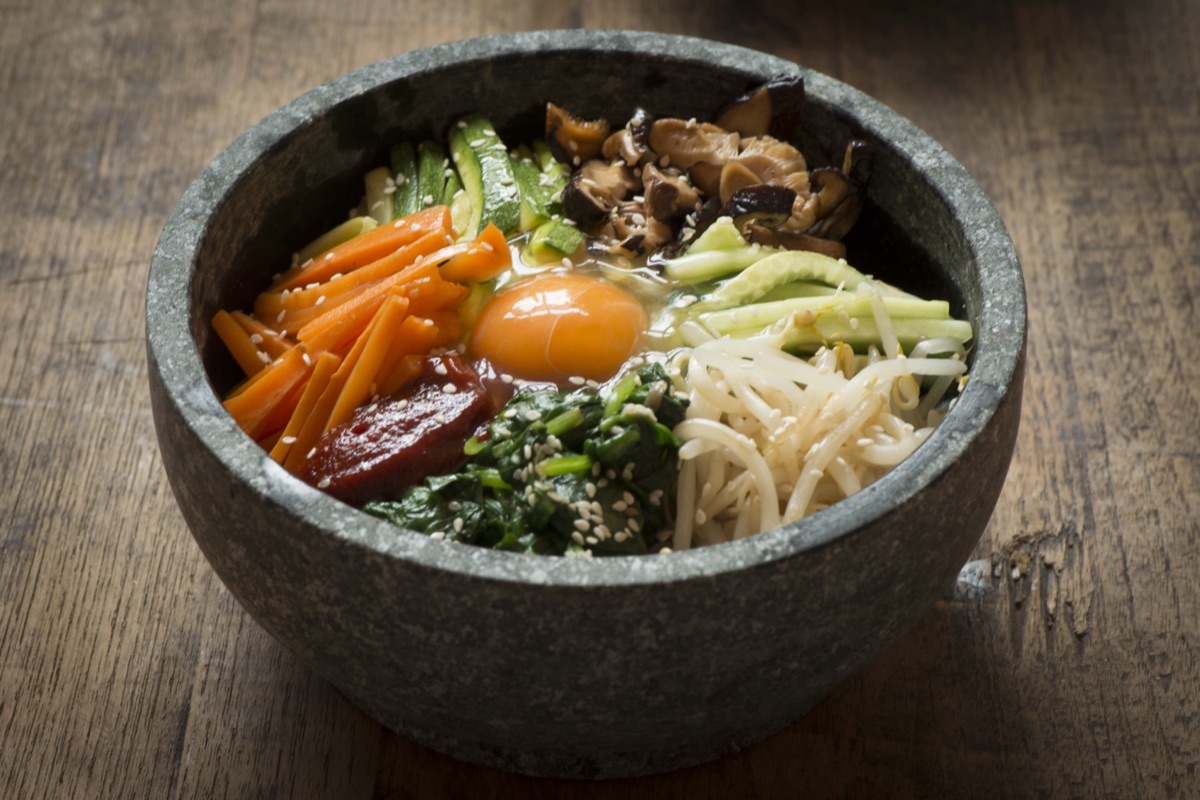
Bibimbap
Warm rice topped with seasoned vegetables, a fried egg, and gochujang — mixed together before the first bite.
Sigeumchi-namul
Blanched spinach lightly seasoned with sesame oil, garlic, and soy — a simple, savory everyday side.
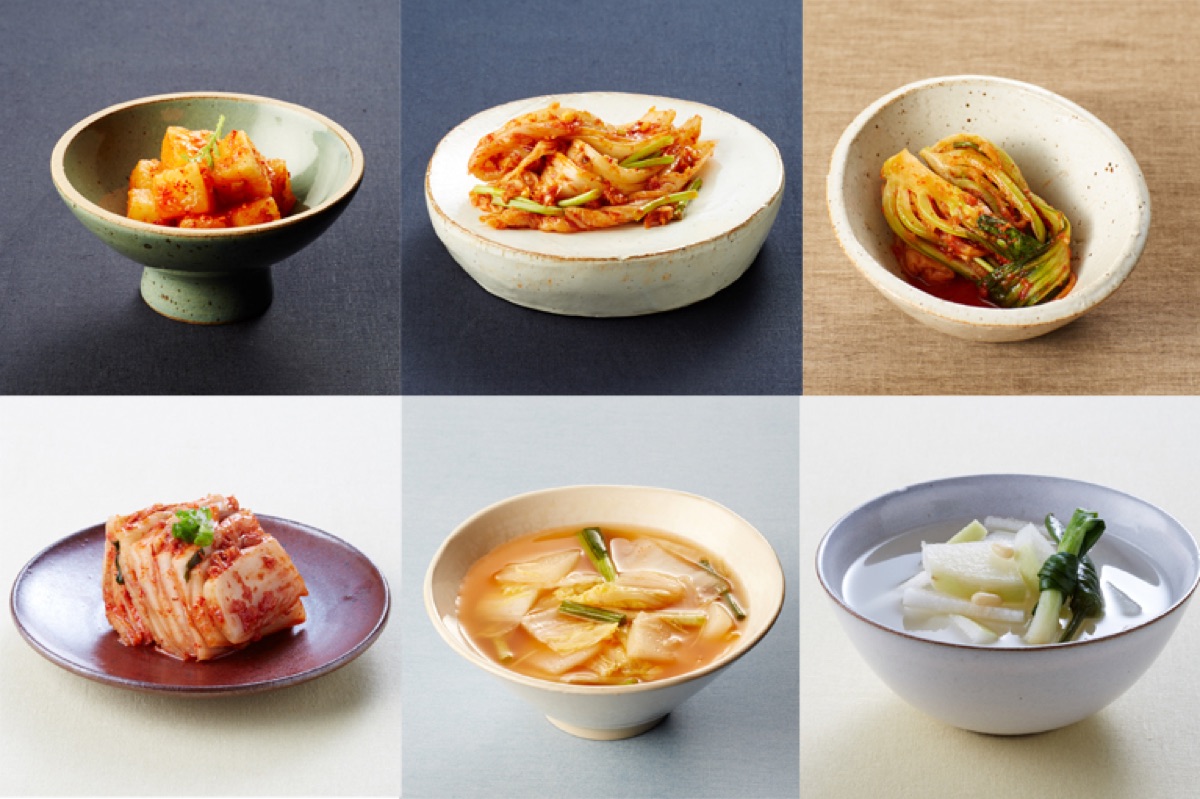
Kimchi
Napa cabbage fermented with chili, garlic, and salted seafood — the iconic, ever-present Korean side dish.
Eat it the right way
Curated for this dish
Ergonomic Korean stainless chopsticks
Built for beginners — grip 콩나물무침 and every Korean dish with confidence. 36,000원 / $35
Comments