Noodle
Sujebi
Hand-Torn Dough Soup
Rustic soup of irregularly torn wheat dough pieces simmered in an anchovy-kelp broth with vegetables.
Sujebi occupies a special place in Korean culinary memory as the food of scarcity and resilience — during the Korean War and its lean aftermath, wheat flour was one of the few affordable ingredients, and sujebi fed countless families through hard times. Today it carries a nostalgic warmth that transcends its humble origins, evoking memories of rainy afternoons in a grandmother's kitchen. The dough, made simply from flour and water, is torn by hand directly into the bubbling broth in irregular, thick pieces that cook unevenly in the most pleasing way — some edges turn silky and thin while others remain chewy and substantial. The broth is typically a clear, savory anchovy-and-kelp dashi studded with zucchini, potato, and green onions, though regional variations include kimchi sujebi and doenjang sujebi. Koreans instinctively associate sujebi with rainy days and consider it the ultimate comfort meal to share with family on a grey afternoon.
✦ Tastypinch tip
The dough pieces vary in thickness; thinner edges are slippery — use both chopsticks and spoon.
How to eat it
- Eat directly from the pot or transfer portions to your bowl.
- Enjoy with a side of kimchi, which adds a spicy contrast to the mild broth.
- Dip a spoon and chopsticks together to scoop broth and dough pieces simultaneously.
Common mistakes
- Expecting uniform noodle texture — the irregular shapes are intentional and desirable.
Where to try it
- Insadong alley restaurants (Seoul)
- Traditional Korean restaurants labeled 'hangari sujebi'
You may also like
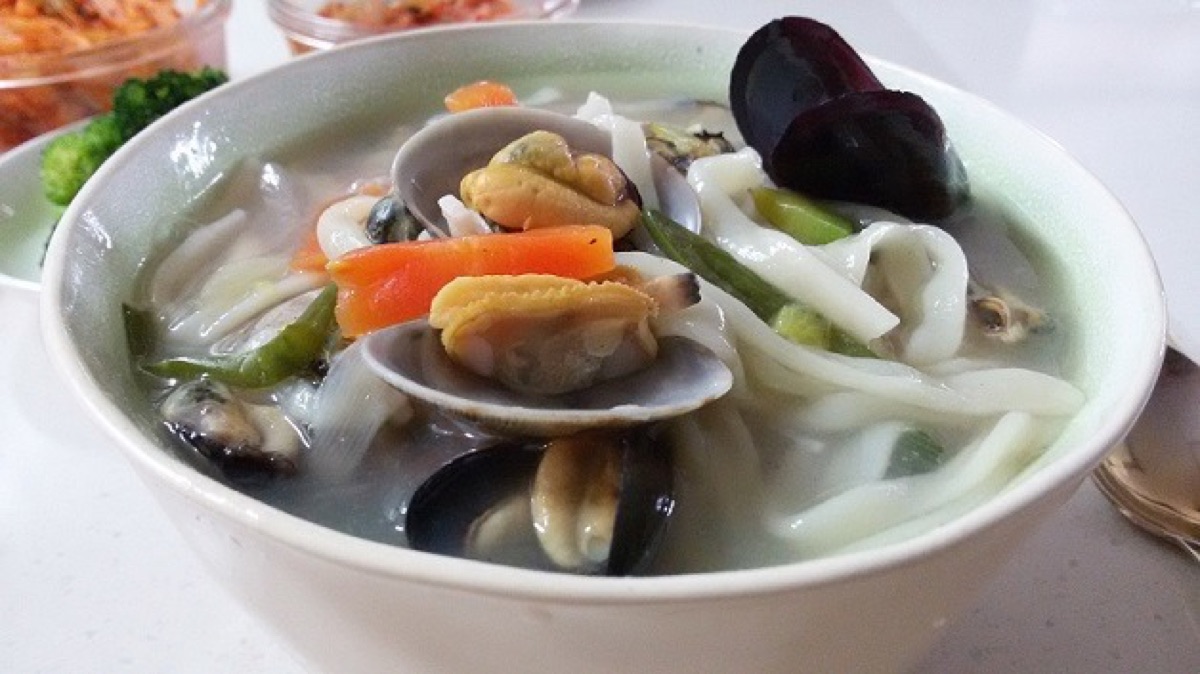
Kalguksu
Hand-cut wheat noodles in a warm, soothing broth — a homey comfort bowl, especially on rainy days.
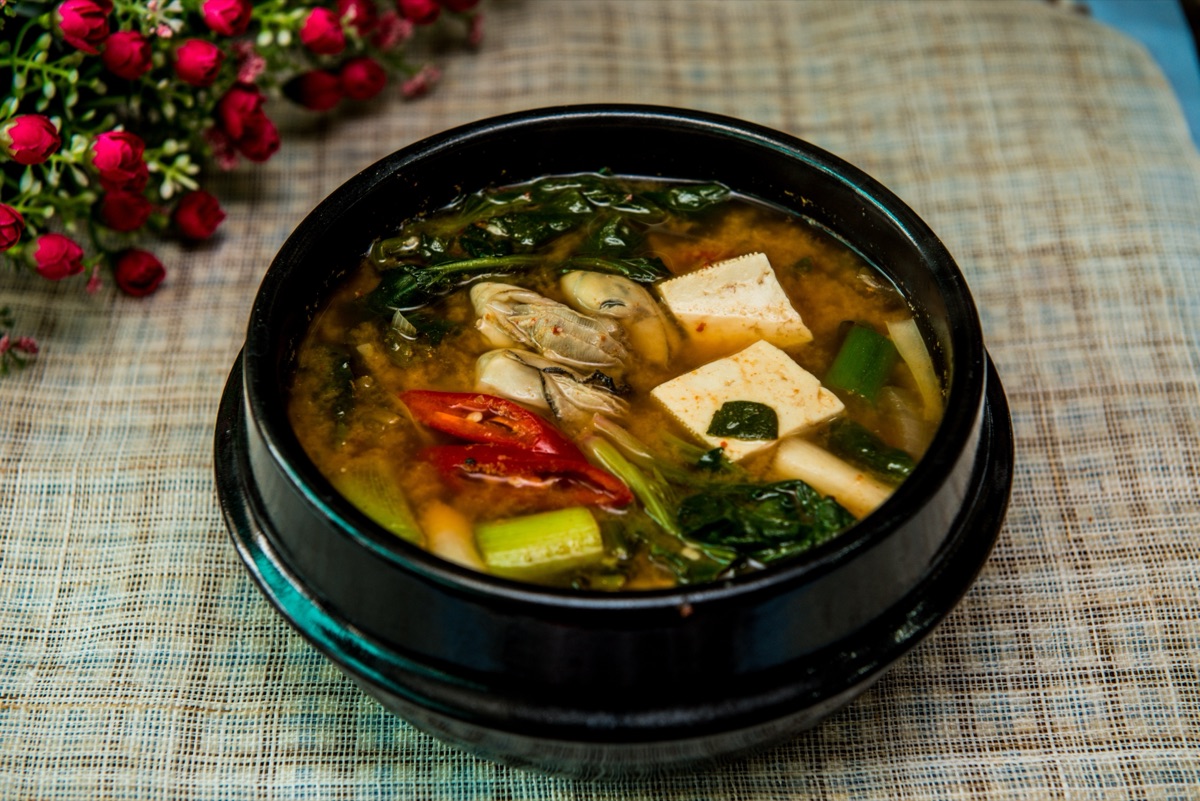
Doenjang-jjigae
An earthy stew of fermented soybean paste with tofu and vegetables — the savory backbone of the Korean table.
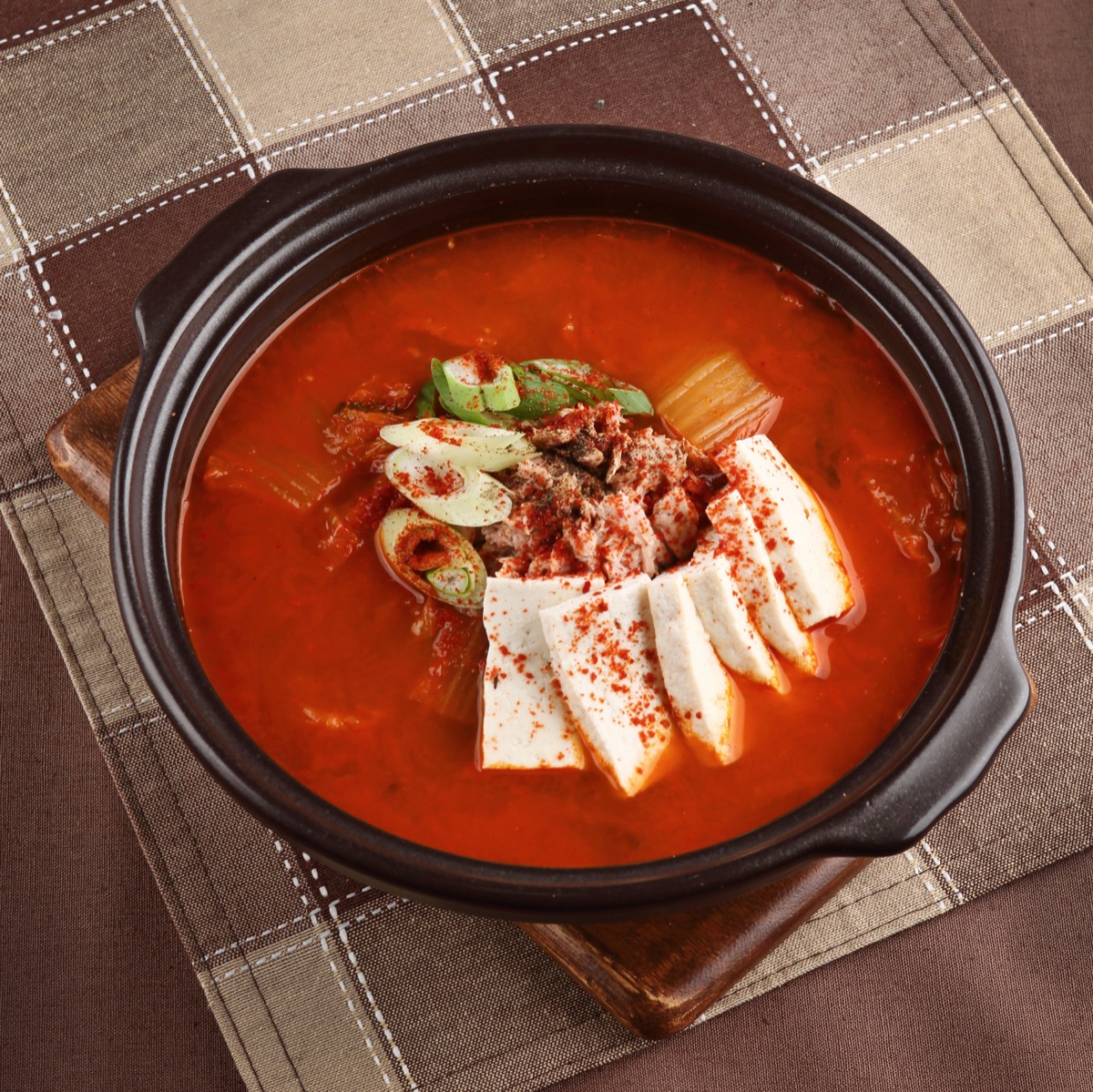
Kimchi-jjigae
A simmering stew of aged kimchi, pork, and tofu — one of the most ordered everyday meals in Korea.
Eat it the right way
Curated for this dish
Ergonomic Korean stainless chopsticks
Built for beginners — grip 수제비 and every Korean dish with confidence. 36,000원 / $35
Comments