Banchan
Baechu-namul
Seasoned Napa Cabbage
Blanched napa cabbage lightly seasoned with garlic, soy sauce, and sesame oil.
Baechu-namul represents the Korean art of making something gentle and nourishing from the most ordinary of ingredients — the same napa cabbage used to make kimchi, here treated not with fermentation but with the lightest hand of seasoning to preserve its clean, mild flavor. The cabbage is briefly blanched until just tender, then squeezed firmly to remove excess water before being torn or cut into manageable pieces and seasoned with garlic, soy sauce, a touch of sesame oil, and sometimes a pinch of chili flakes. The resulting banchan is cooling, slightly sweet, and a palate cleanser par excellence among a spread of more intensely seasoned dishes. Baechu-namul is particularly associated with ancestral rite food and Buddhist temple cuisine, where the philosophy of using each ingredient in multiple ways — fermenting the outer leaves as kimchi while preparing the tender inner leaves as namul — reflects a deep respect for seasonal abundance. It is one of the first dishes taught in Korean cooking classes for beginners precisely because it captures the essence of namul technique in its simplest form.
✦ Tastypinch tip
The soft blanched leaves drape over chopsticks easily — pick up a small bundle at once.
How to eat it
- Eat alongside stronger banchan as a refreshing counterpoint.
- Combine with rice for a light, clean bite.
Common mistakes
- Over-blanching, which makes the cabbage waterlogged and bland.
Where to try it
- Buddhist temple food restaurants (sachal eumsik)
- Traditional Korean jeongsik restaurants
You may also like
Sigeumchi-namul
Blanched spinach lightly seasoned with sesame oil, garlic, and soy — a simple, savory everyday side.

Gosari-namul
Rehydrated bracken fern shoots seasoned with soy sauce, garlic, and sesame oil.
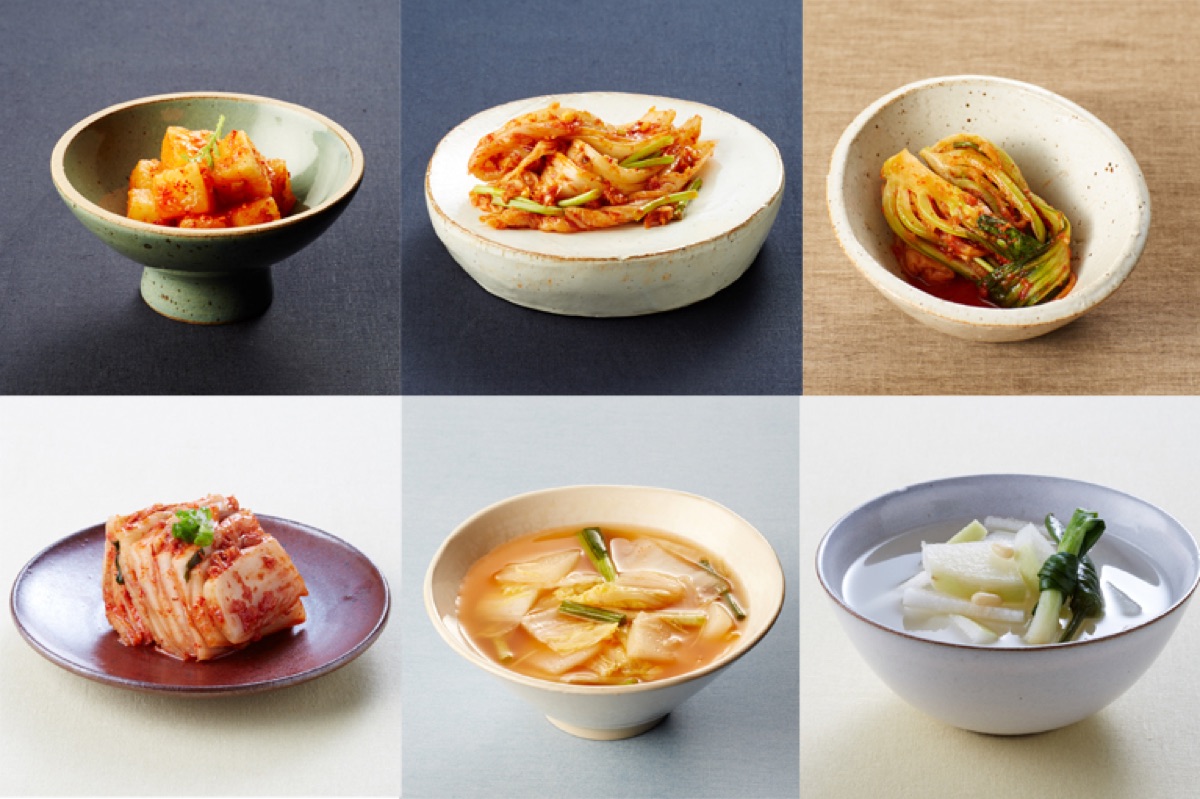
Kimchi
Napa cabbage fermented with chili, garlic, and salted seafood — the iconic, ever-present Korean side dish.
Eat it the right way
Curated for this dish
Ergonomic Korean stainless chopsticks
Built for beginners — grip 배추나물 and every Korean dish with confidence. 36,000원 / $35
Comments