Fermented
Doenjang
Fermented Soybean Paste

Korea's ancient fermented soybean paste — earthy, pungent, and the umami backbone of Korean cooking.
Doenjang is arguably the most fundamental condiment in the Korean pantry, a slow-fermented paste made from meju (dried soybean bricks) and brine that has been central to Korean cuisine for over two thousand years. Traditional doenjang is produced through a months-long process: soybeans are boiled, shaped into blocks, hung to dry and develop wild mold cultures, then submerged in salted water where bacteria and yeasts transform the proteins into a complex, deeply savory paste. The liquid drawn off during this process becomes ganjang (soy sauce), making doenjang and ganjang inseparable siblings in traditional brewing. Its flavor is far more rustic and funky than Japanese miso, prized by Koreans for exactly that pungency, and a pot of doenjang-jjigae simmering on the stove is one of the most comforting smells in a Korean home. Every region and every grandmother has a preferred fermentation style — some households in Gyeonggsang-do still make doenjang in large earthenware onggi jars buried partially underground to regulate temperature.
How to eat it
- Use as a base for doenjang-jjigae (fermented soybean paste stew).
- Mix with sesame oil, garlic, and gochujang to make ssamjang for wrapping grilled meat.
- Dip raw cucumber or carrot sticks directly into a small dish of doenjang.
Where to try it
- Any Korean restaurant serving jjigae
- Traditional market condiment stalls like Gwangjang Market, Seoul
You may also like
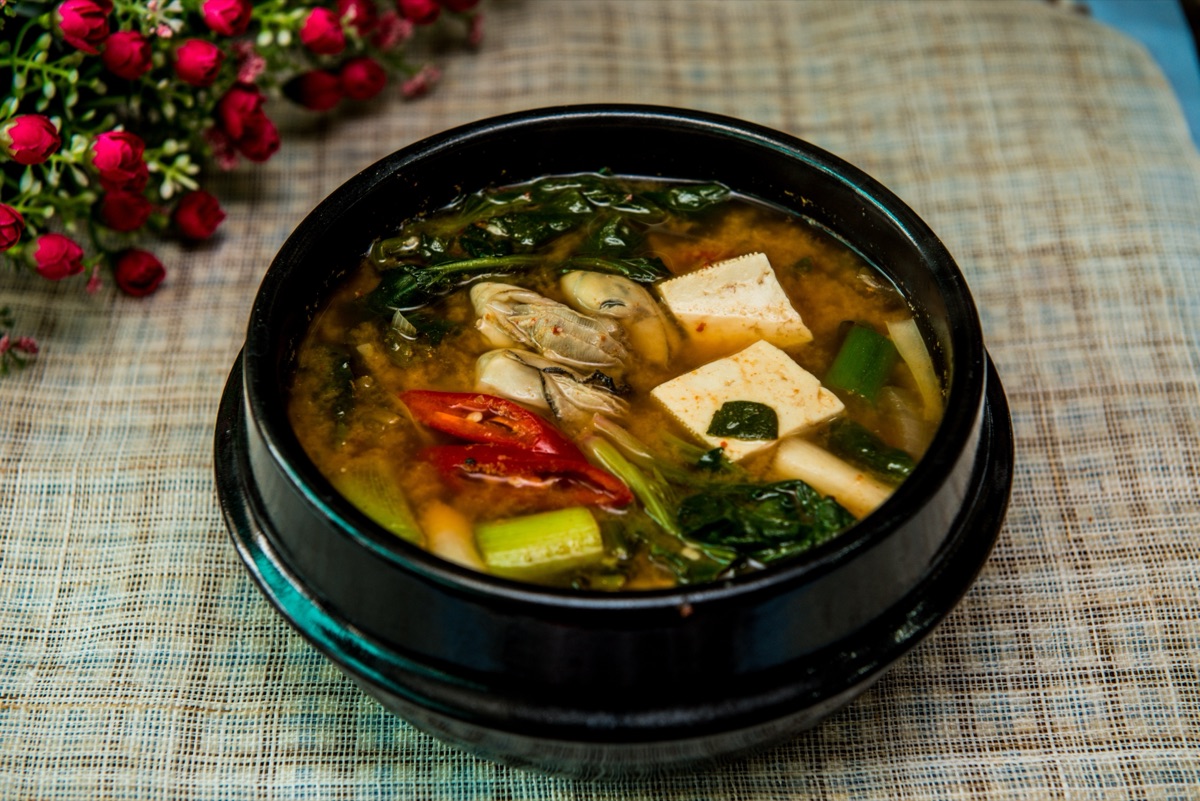
Doenjang-jjigae
An earthy stew of fermented soybean paste with tofu and vegetables — the savory backbone of the Korean table.

Gochujang
Korea's iconic fermented chili paste — sweet, spicy, and deeply savory with a sticky, glossy texture.

Ganjang
Korea's traditional fermented soy sauce — lighter and saltier than Japanese varieties, with centuries of history.
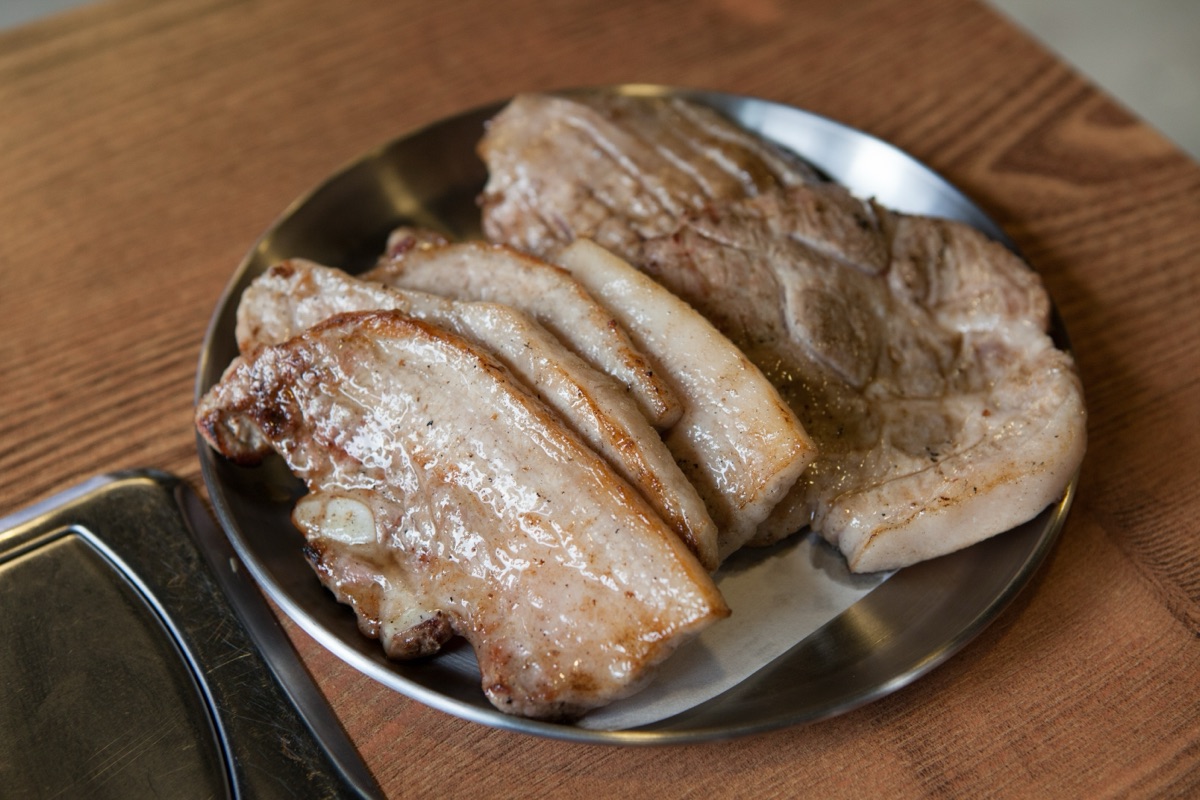
Samgyeopsal-gui
Thick-cut pork belly grilled at the table, wrapped in lettuce with garlic, ssamjang, and grilled kimchi.
Eat it the right way
Curated for this dish
Ergonomic Korean stainless chopsticks
Built for beginners — grip 된장 and every Korean dish with confidence. 36,000원 / $35
Comments