Fermented
Geotjeori
Fresh Unfermented Kimchi

Freshly seasoned napa cabbage dressed with kimchi spices, eaten immediately without fermentation.
Geotjeori occupies a fascinating middle ground in Korean food culture — it uses the same ingredients and seasoning paste as traditional kimchi but is eaten the same day it is made, before any fermentation has a chance to develop. The name literally means 'surface seasoning,' and the dish captures the bright, raw flavor of gochugaru, garlic, and fish sauce at their most vivid, without the sour depth that aging brings. Korean grandmothers often make geotjeori on kimchi-making day (kimjang) so the family can taste the fresh seasoning paste at its peak, and it has become a staple banchan at grilled meat restaurants where its sharp freshness cuts through the richness of samgyeopsal or galbi. Because it requires no waiting, it is also a practical choice for weeknight dinners when there is no time to ferment a proper batch of kimchi. Some restaurants in Seoul have built reputations around their housemade geotjeori, seasoned freshly each morning, distinguishing it from the jar of fermented kimchi that sits on every other table in the country.
How to eat it
- Use chopsticks to pick up a small leaf and eat it alongside rice or grilled meat.
- Enjoy promptly — it wilts and loses its crunch within a few hours.
- Pair with samgyeopsal for a classic combination.
Common mistakes
- Confusing it with fermented kimchi — geotjeori should taste bright and raw, not sour.
Where to try it
- Samgyeopsal restaurants across Korea
- Home kitchens on kimjang day
You may also like
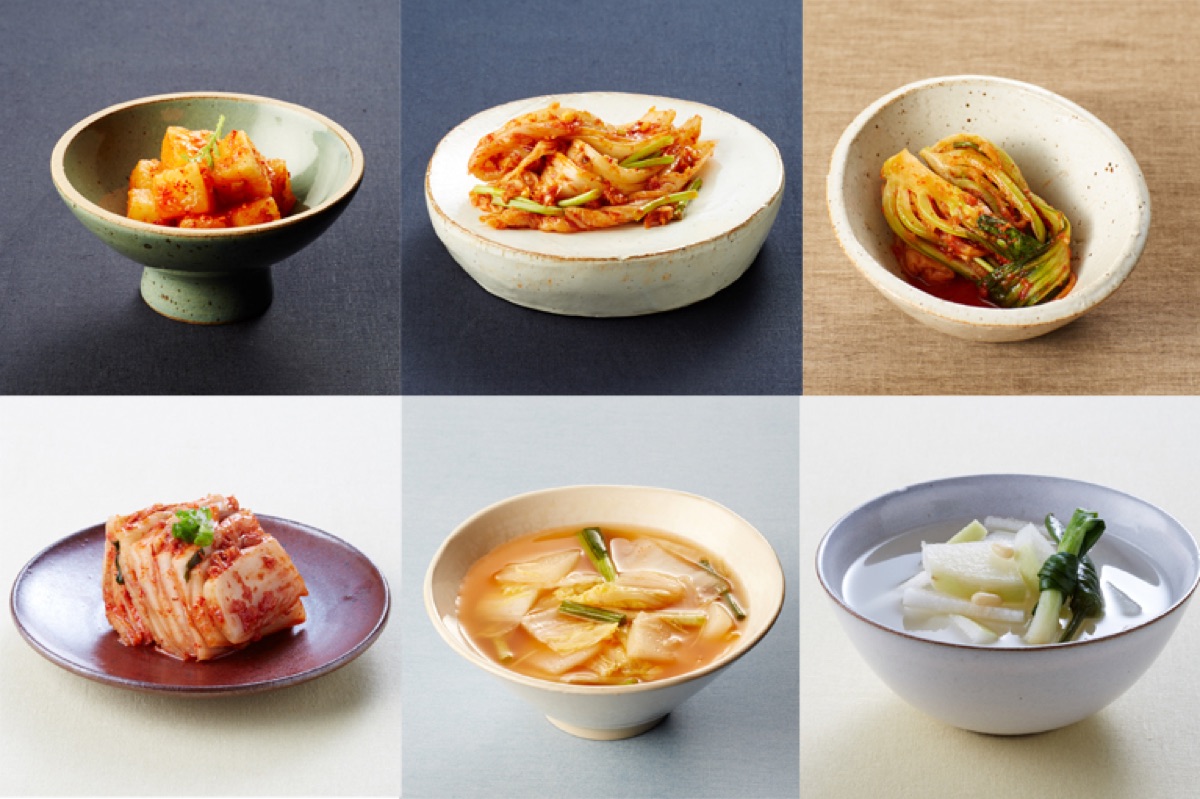
Kimchi
Napa cabbage fermented with chili, garlic, and salted seafood — the iconic, ever-present Korean side dish.
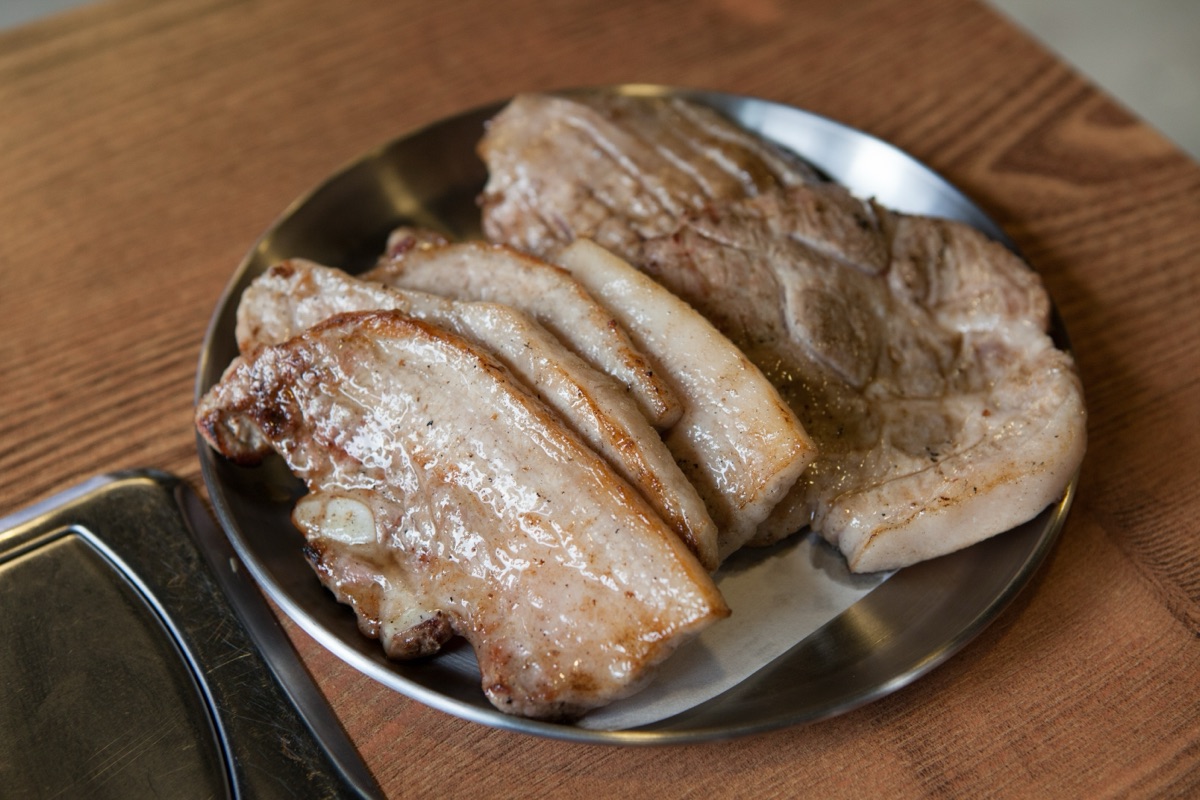
Samgyeopsal-gui
Thick-cut pork belly grilled at the table, wrapped in lettuce with garlic, ssamjang, and grilled kimchi.
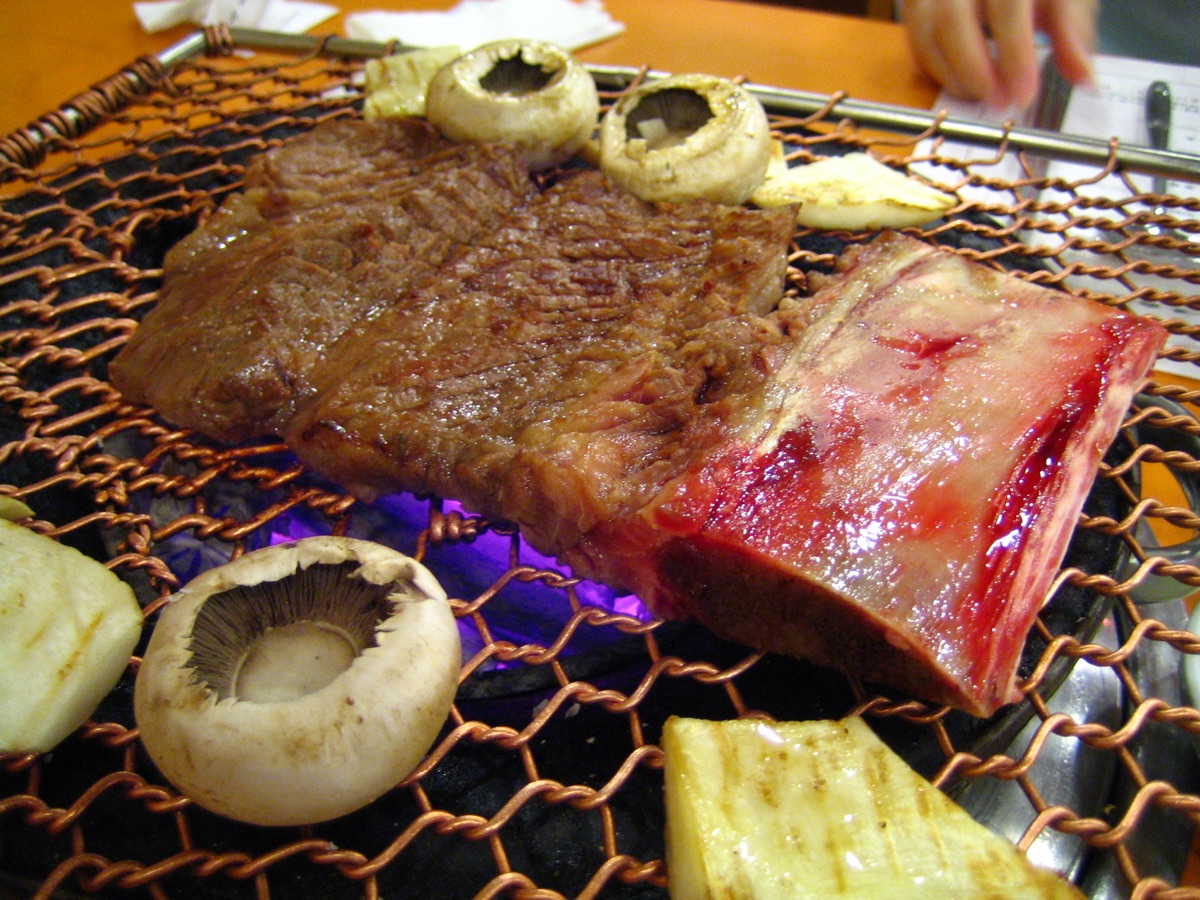
Galbi-gui
Marinated beef short ribs grilled over fire — the sweet-savory centerpiece of celebratory Korean BBQ.
Oi-sobagi
Fresh cucumber sliced and stuffed with spicy chive and chili kimchi filling.
Eat it the right way
Curated for this dish
Ergonomic Korean stainless chopsticks
Built for beginners — grip 겉절이 and every Korean dish with confidence. 36,000원 / $35
Comments