Soup & stew
Gochujang-jjigae
Fermented Chili Paste Stew
A bold, deeply spiced stew built on gochujang as its primary flavouring, with pork, zucchini, and tofu.
Gochujang-jjigae is the stew where Korea's fermented red pepper paste is the protagonist rather than a supporting flavour — a preparation that allows the full complexity of gochujang (sweet, spicy, slightly fermented, and deeply savoury) to express itself without the moderating influence of doenjang. The paste is dissolved into an anchovy or pork broth, creating a deep red, viscous base that coats the tongue differently from the thinner gochugaru broths used in other stews. Pork belly or ground pork, cut into small pieces and cooked in the paste before the broth is added, provides a fatty richness that balances the pepper's intensity, and zucchini, tofu, and mushrooms absorb the complex, fermented flavour throughout the cooking. Gochujang-jjigae is perhaps less internationally famous than kimchi-jjigae or soondubu-jjigae, but among Korean food obsessives it is respected as a stew that showcases Korea's most remarkable fermented condiment in its most direct form. It is best eaten on cold days, and the warming effect of the gochujang — which creates a sustained internal heat different from the immediate burn of fresh pepper — lingers pleasantly long after the bowl is empty.
How to eat it
- Mix the thick, paste-laden broth thoroughly with rice.
- Eat alongside cold kimchi to balance the direct, building spice.
- Drink room-temperature water rather than cold drinks to manage the heat.
Common mistakes
- Adding more gochujang without tasting first — the stew already packs considerable heat.
Where to try it
- Home-style Korean restaurants
- Korean traditional restaurants in cooler months
You may also like
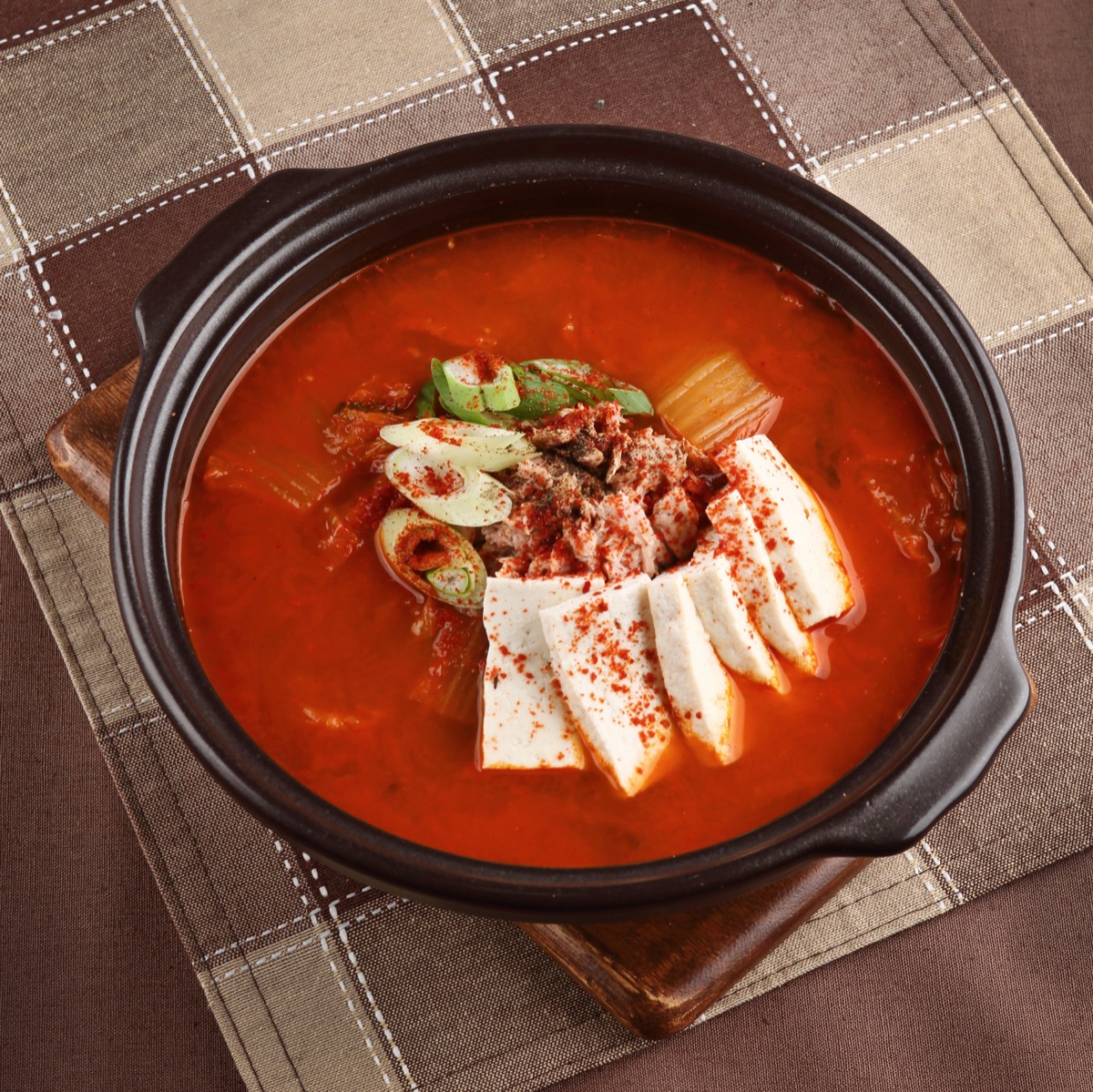
Kimchi-jjigae
A simmering stew of aged kimchi, pork, and tofu — one of the most ordered everyday meals in Korea.
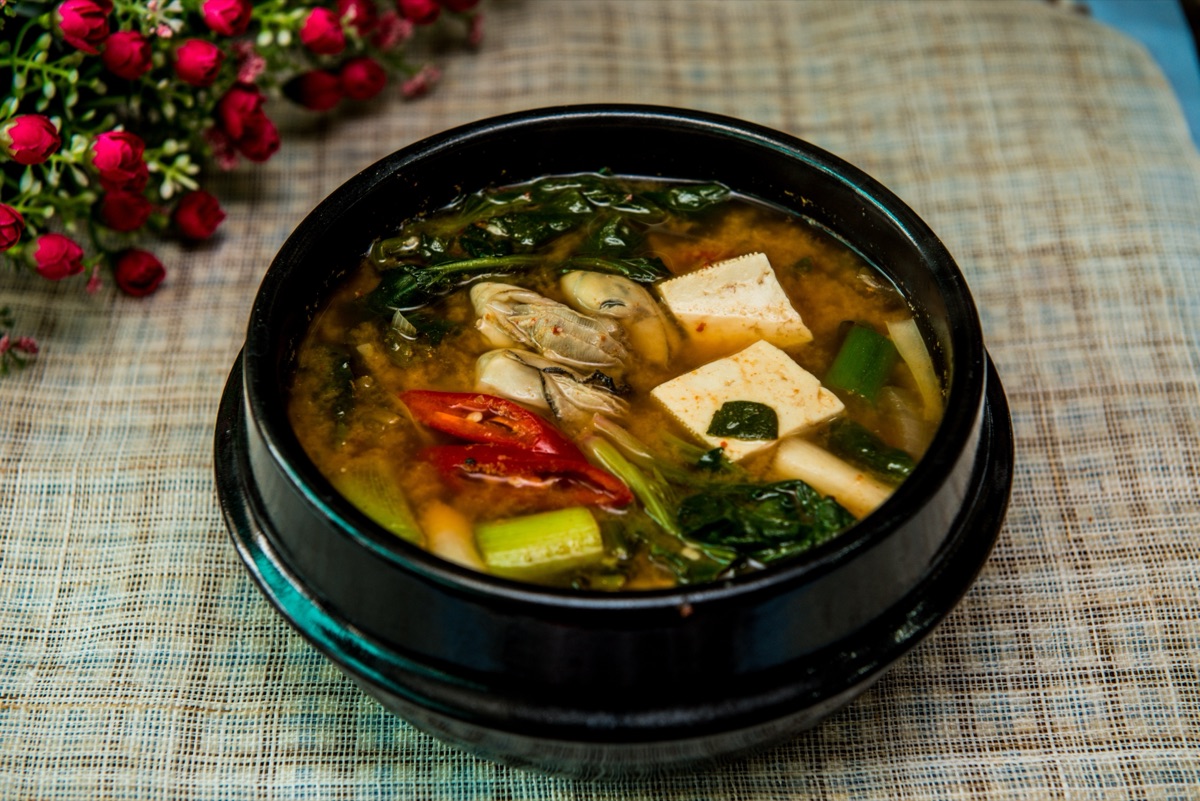
Doenjang-jjigae
An earthy stew of fermented soybean paste with tofu and vegetables — the savory backbone of the Korean table.

Yukgaejang
A fiery, rust-red soup packed with shredded beef, fernbrake fern, and spring onions in a gochugaru-laden broth.
Eat it the right way
Curated for this dish
Ergonomic Korean stainless chopsticks
Built for beginners — grip 고추장찌개 and every Korean dish with confidence. 36,000원 / $35
Comments