Noodle
Kimchi-ramyeon
Kimchi Ramen
Instant ramen cooked with aged kimchi for a complex, sour-spicy broth — the definitive Korean fridge-raid noodle.
Kimchi-ramyeon is what happens when Korea's two most omnipresent foods meet in a pot, and the result is something that transcends both ingredients. Aged kimchi — past its peak freshness and slightly sour, the kind that has been sitting in the back of the refrigerator for three weeks — is the key: when stir-fried briefly in the pot before the water and noodle seasoning are added, the fermented kimchi caramelizes and its acids mellow and deepen, creating a broth that is simultaneously sour, spicy, and savory in a way that fresh kimchi cannot achieve. The transformation is remarkable: a bowl that starts with pantry staples and leftover kimchi produces one of the most complex, satisfying flavor profiles in Korean home cooking. Pork, tofu, and eggs are common additions, and the best home versions include a knob of butter at the end, a technique borrowed from the budae-jjigae tradition that rounds the spice into something smooth and rich. Every Korean has their own version of this dish, and it is the meal most associated with late-night hunger, a sick day at home, or the first meal made in a new apartment.
✦ Tastypinch tip
Kimchi pieces tangle with noodles — use chopsticks to separate them as you eat.
How to eat it
- Stir-fry the kimchi first for 2 minutes before adding water for maximum flavor depth.
- Add a soft-boiled egg on top for protein and richness.
- Eat with the kimchi pieces — they are the most flavorful part of the bowl.
Common mistakes
- Using fresh kimchi — aged, sour kimchi gives a far superior depth of flavor.
Where to try it
- This is fundamentally a home-cooking dish; some pojangmacha serve versions
- Korean army (budae) style restaurants
You may also like
Ramyeon
Instant wheat noodles in a spicy, savory broth — Korea's most-eaten quick meal, cooked in minutes.
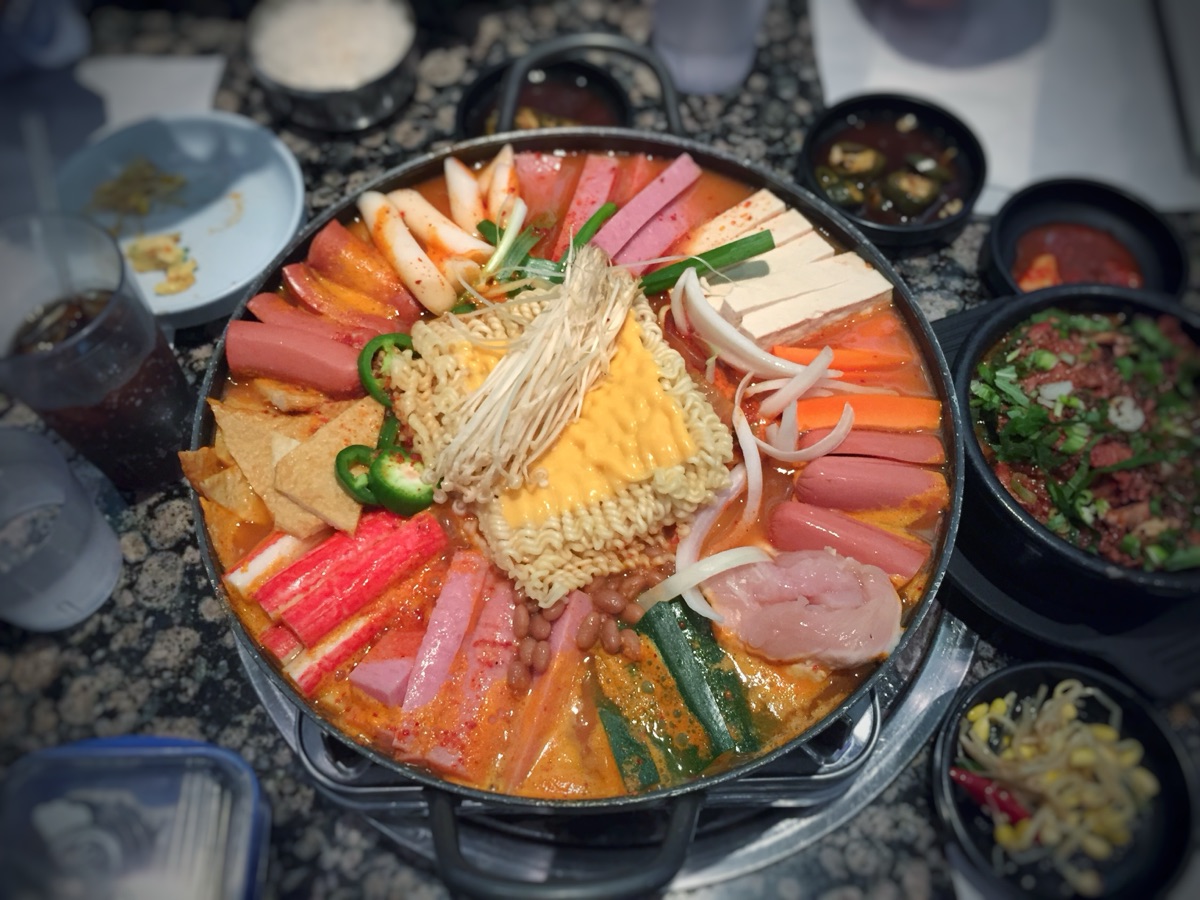
Budae-jjigae
A bubbling 'army stew' of kimchi, sausage, Spam, and ramyeon noodles — a spicy, hearty shared pot.
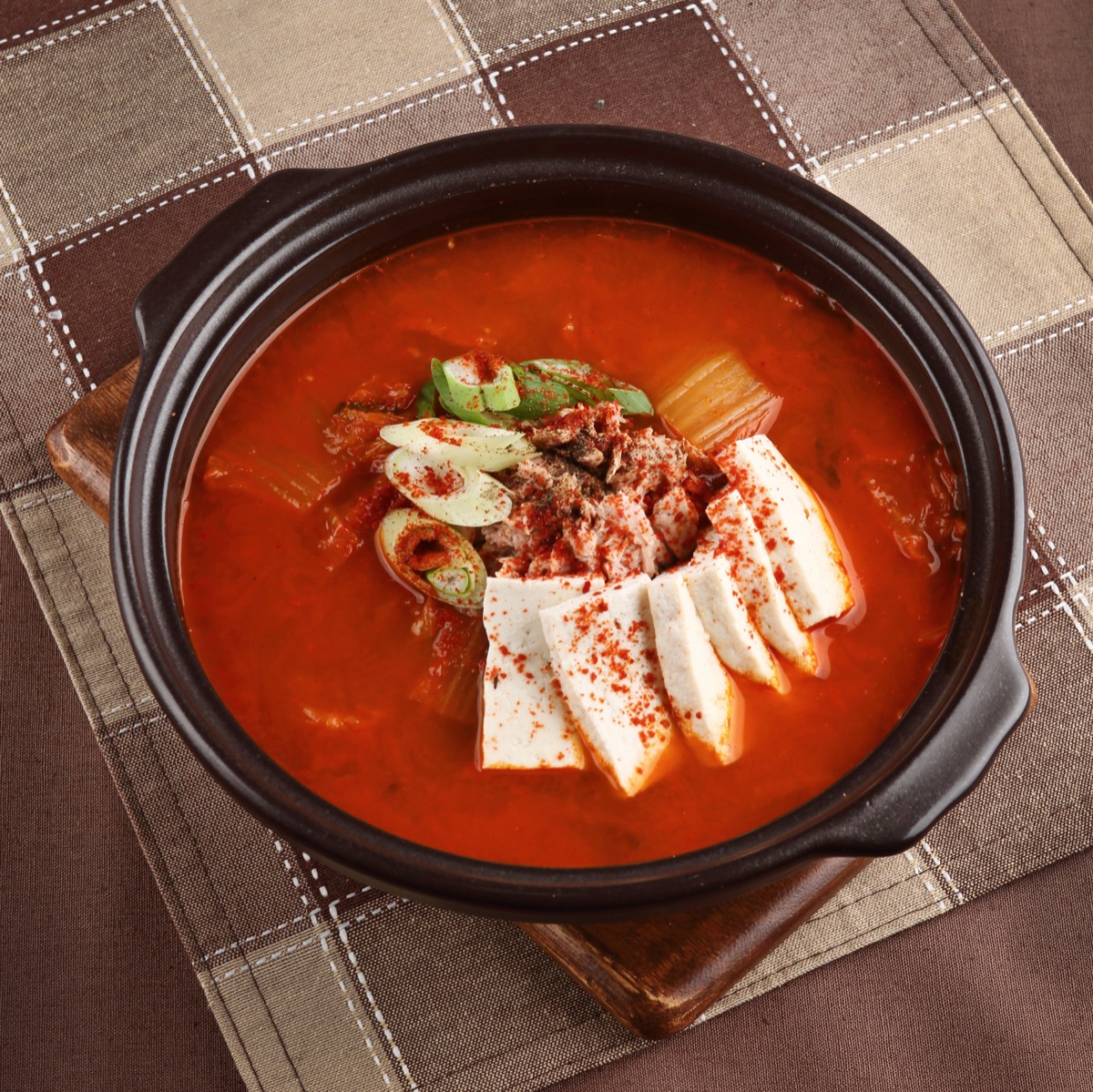
Kimchi-jjigae
A simmering stew of aged kimchi, pork, and tofu — one of the most ordered everyday meals in Korea.
Eat it the right way
Curated for this dish
Ergonomic Korean stainless chopsticks
Built for beginners — grip 김치라면 and every Korean dish with confidence. 36,000원 / $35
Comments