Fermented
Kkakdugi-baechu
Cubed Radish and Cabbage Kimchi
A hearty mixed kimchi combining cubed radish and napa cabbage for double the crunch and flavor.
While traditional kkakdugi uses only cubed radish and baechu-kimchi uses whole napa cabbage leaves, this everyday home variation combines both in a single batch — a practical fusion that many Korean families make when they have partial quantities of both vegetables or want a more textured kimchi with multiple flavors developing side by side. The radish provides its characteristic satisfying crunch and mild sweetness, while the cabbage ferments slightly faster and adds a softer, tangier counterpoint that balances the firmer radish chunks as the days pass. Home cooks season both with the standard kimchi paste of gochugaru, garlic, fish sauce, and salted shrimp, packing everything into a single jar where the vegetables influence each other's fermentation and flavor exchange. This type of informal mixed kimchi has no fixed recipe and represents the adaptive, zero-waste spirit of Korean home cooking, where skilled kimchi-makers adjust proportions based on what the market offered that morning. A bowl of sundubu-jjigae (soft tofu stew) paired with this mixed kimchi banchan is a deeply satisfying, low-cost, nutritionally balanced meal that remains central to everyday Korean home dining.
How to eat it
- Eat a piece of radish and a piece of cabbage together in the same bite.
- Serve at different ages — young (1–3 days) for crunch, aged (2+ weeks) for sourness.
- Pair with plain rice or a mild stew to let the kimchi's complexity shine.
Where to try it
- Korean home kitchens
- Home-style rice set restaurants (백반집) across Korea
You may also like
Kimchi
Napa cabbage fermented with chili, garlic, and salted seafood — the iconic, ever-present Korean side dish.
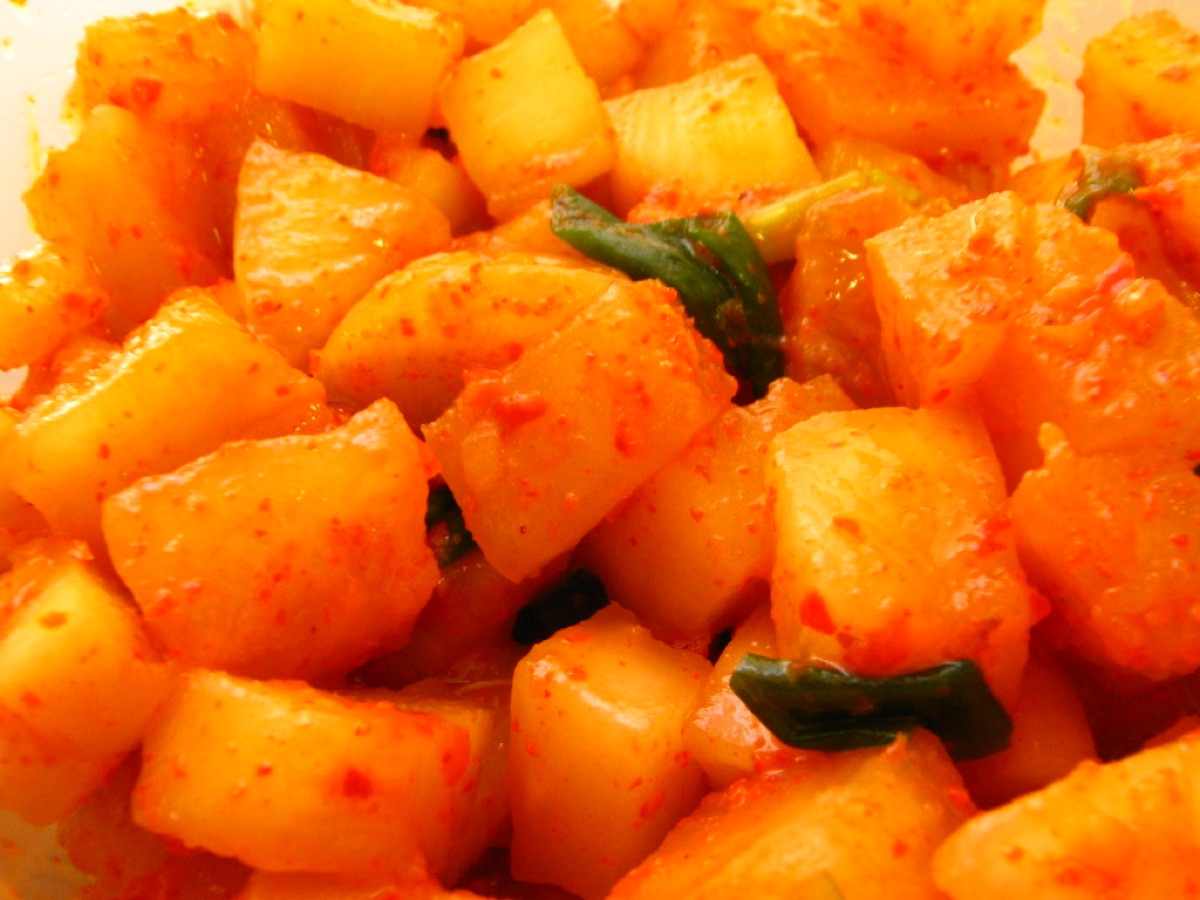
Kkakdugi
Crunchy cubed-radish kimchi — crisp, juicy, and refreshing, especially alongside soups and rice.
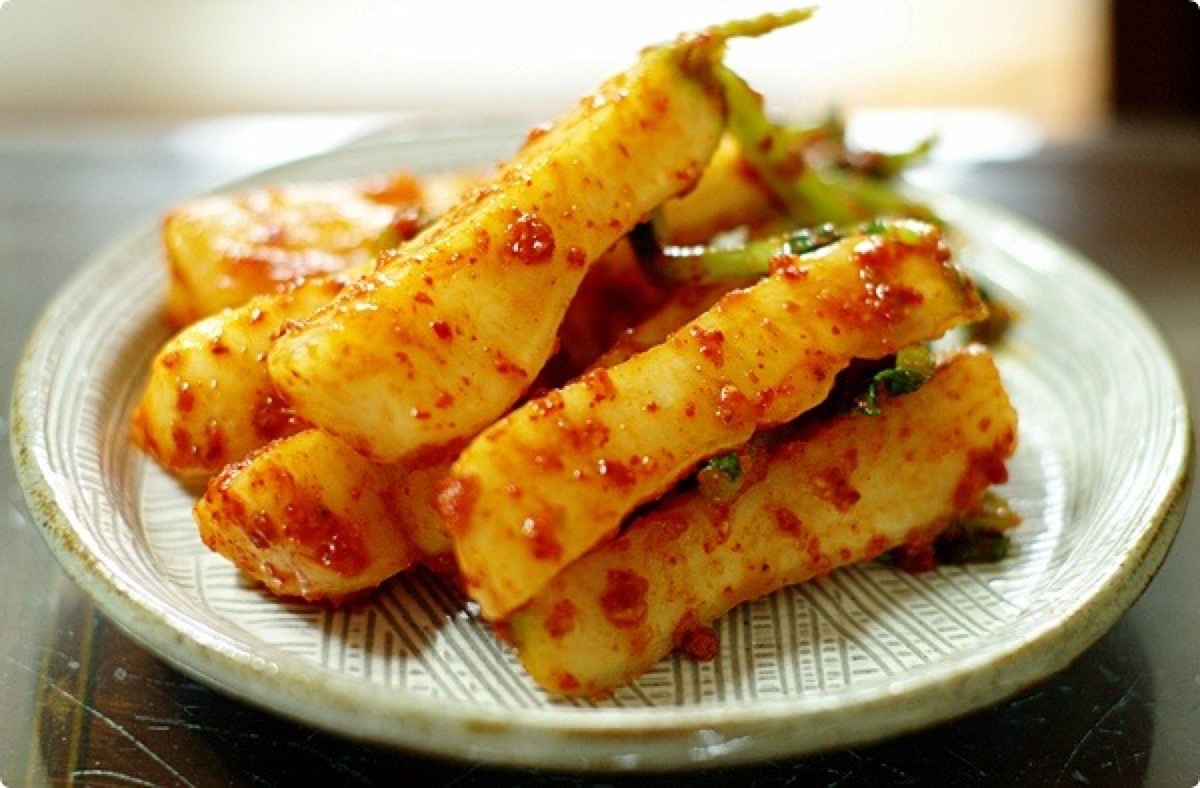
Chonggak-kimchi
Whole young 'ponytail' radishes fermented with their greens — extra crunchy kimchi eaten root and all.
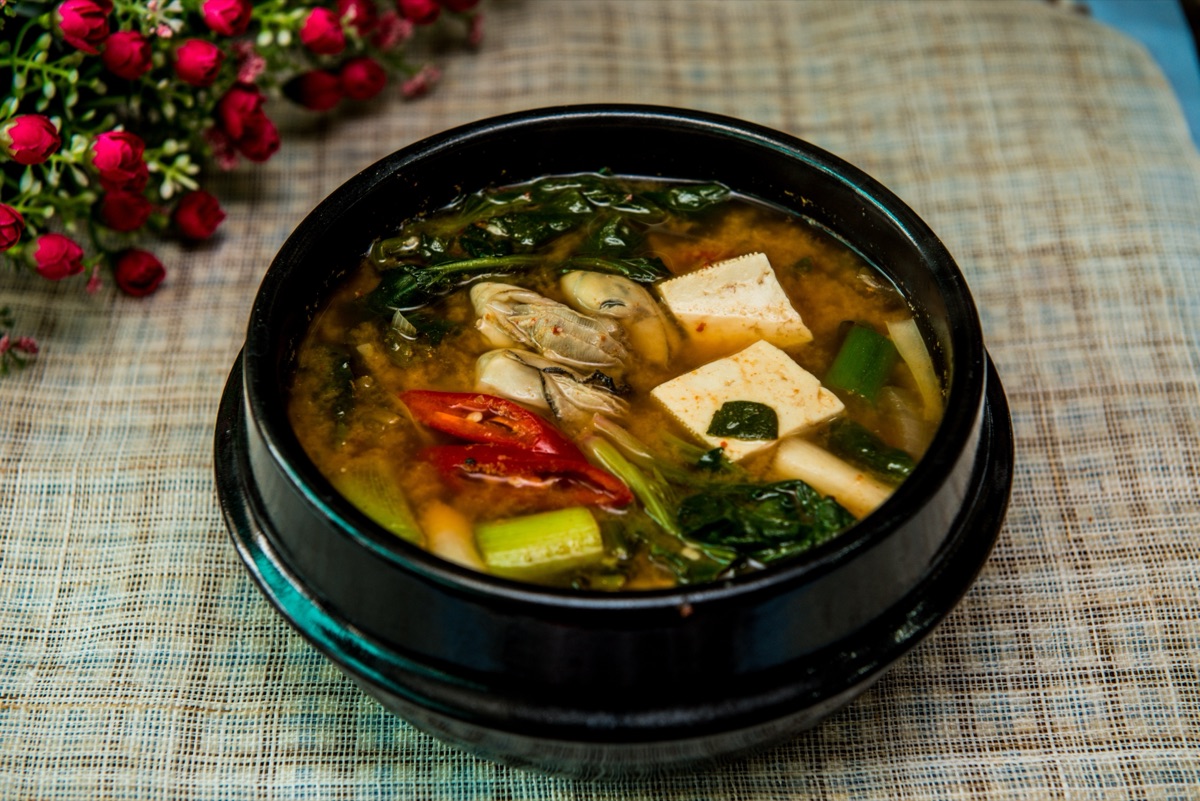
Doenjang-jjigae
An earthy stew of fermented soybean paste with tofu and vegetables — the savory backbone of the Korean table.
Eat it the right way
Curated for this dish
Ergonomic Korean stainless chopsticks
Built for beginners — grip 깍두기배추 and every Korean dish with confidence. 36,000원 / $35
Comments