Fermented
Makgeolli
Korean Rice Wine

Milky, lightly fizzy Korean rice wine with a tangy sweetness — Korea's oldest and most beloved folk drink.
Makgeolli is Korea's oldest alcoholic beverage, a lightly fermented drink made from rice, water, and nuruk (a traditional fermentation starter of wild yeast and mold cultures), with a creamy, off-white color from the unfiltered rice sediment that distinguishes it from clear Korean spirits. Dating back at least to the Three Kingdoms period, makgeolli was historically the drink of farmers and laborers — affordable, nourishing, and made at home throughout the country — and it earned the name nongju (농주, 'farmers' liquor') for its association with rural work culture. Its flavor is complex and layered: sweet from residual sugars, sour from lactic acid fermentation, faintly bitter, and naturally carbonated from active yeasts, with an alcohol content typically around 6–8% that makes it approachable for all-day drinking. The classic pairing in Korean food culture is makgeolli with pajeon (green onion pancake) or haemul-pajeon — a combination said to have developed because the sound of rain made farmers crave both, and the pancake's savory saltiness balances the drink's sweetness perfectly. A craft makgeolli revival has swept Korea since the 2010s, with microbreweries in Seoul's Mapo and Seongsu neighborhoods producing single-origin rice varieties and fruit-infused editions that have brought younger drinkers back to the traditional drink.
✦ Tastypinch tip
Makgeolli is drunk, not eaten — but a spoon for the bowl is traditional.
How to eat it
- Shake or stir the container gently before pouring to distribute the settled sediment.
- Pour into a small bowl or wide cup in the traditional style.
- Pair with haemul-pajeon or kimchi pancake for the quintessential Korean drinking snack experience.
- Drink slowly — the natural carbonation and low alcohol make it easy to underestimate.
Where to try it
- Makgeolli bars (막걸리집) in Seoul's Mapo-gu
- Sinchon and Hongdae neighborhoods, Seoul
You may also like
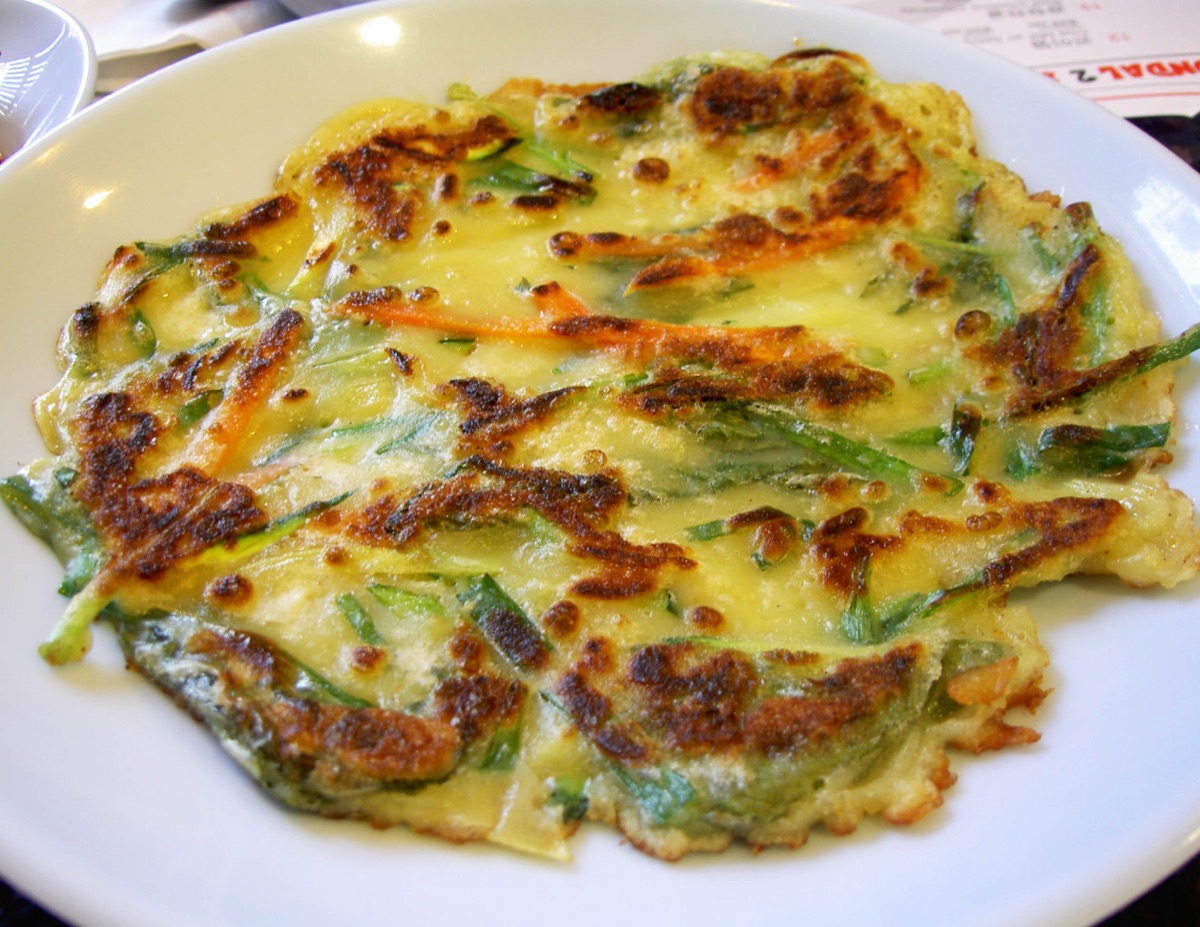
Haemul-pajeon
A crisp scallion-and-seafood pancake — the classic rainy-day dish, best enjoyed with makgeolli.
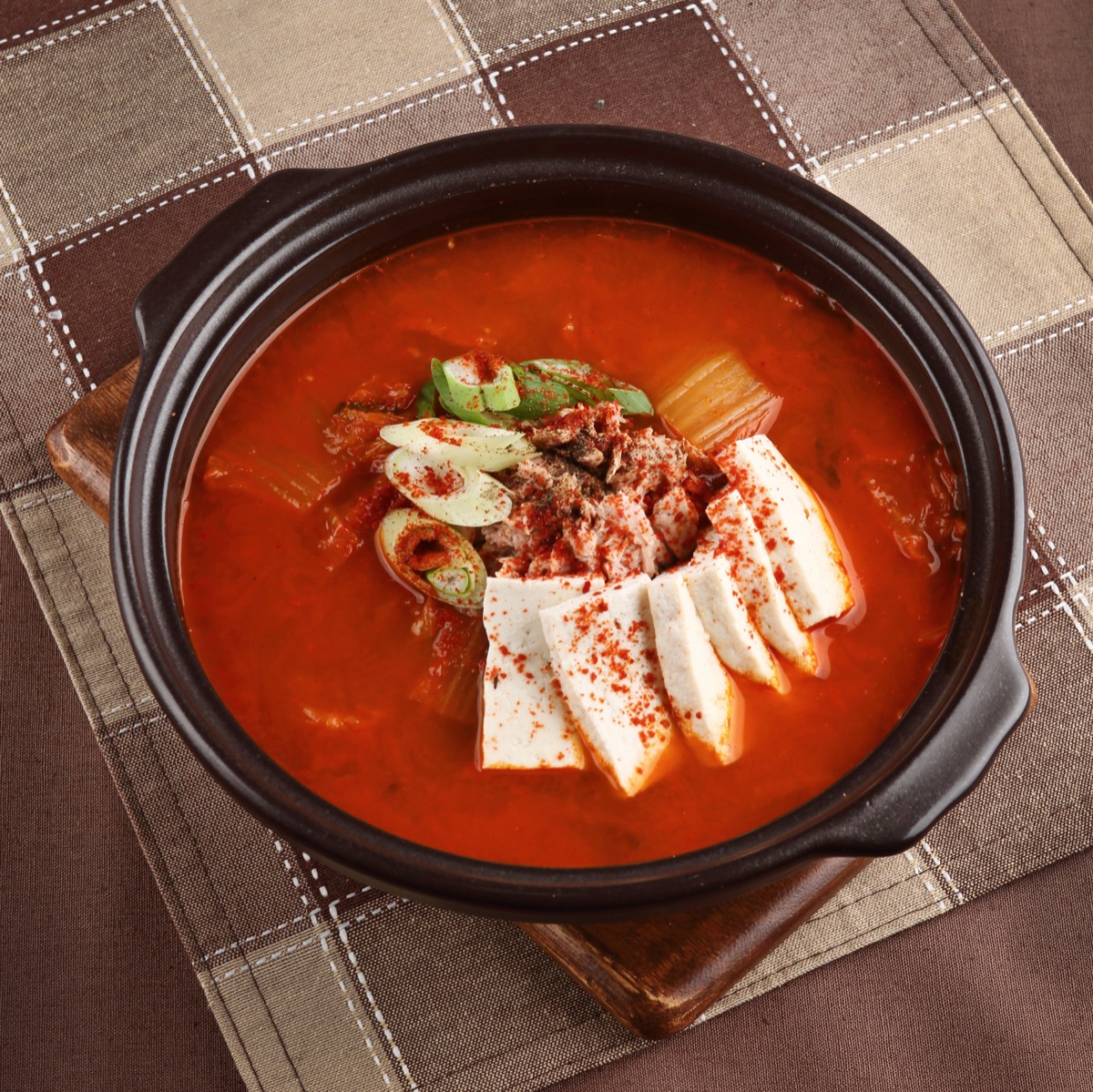
Kimchi-jjigae
A simmering stew of aged kimchi, pork, and tofu — one of the most ordered everyday meals in Korea.

Doenjang
Korea's ancient fermented soybean paste — earthy, pungent, and the umami backbone of Korean cooking.
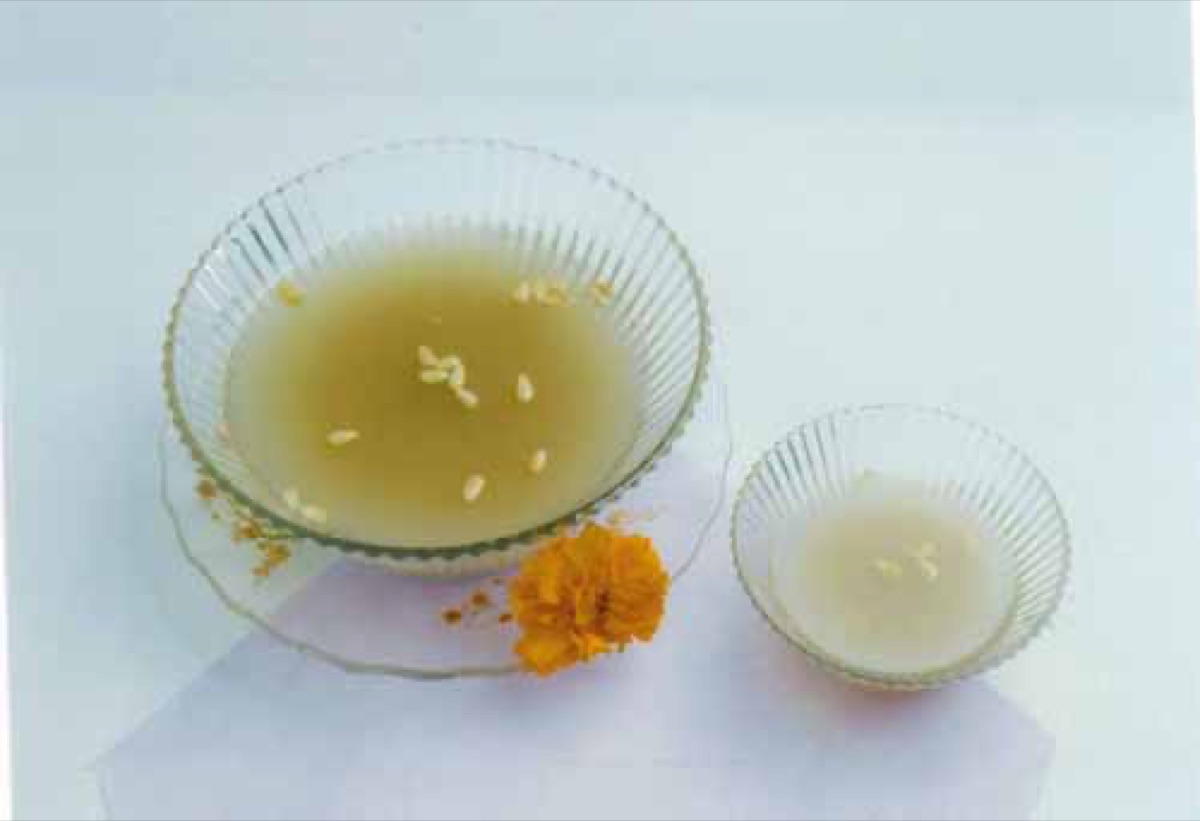
Sikhye
A sweet, cold rice drink with floating grains — a traditional dessert beverage and natural digestive.
Eat it the right way
Curated for this dish
Ergonomic Korean stainless chopsticks
Built for beginners — grip 막걸리 and every Korean dish with confidence. 36,000원 / $35
Comments