Rice
Muchim-bap
Seasoned Vegetable Rice Mix
Leftover seasoned vegetable side dishes mixed thoroughly into a bowl of hot rice.
Muchim-bap is less a defined recipe than a Korean kitchen practice — the act of mixing accumulated banchan (seasoned vegetable side dishes) into a bowl of hot rice to create a spontaneous one-bowl meal. In a traditional Korean household, the banchan produced over several days — spinach namul, fern fernbrake, seasoned burdock, dried radish — accumulate in small dishes in the refrigerator, and muchim-bap is how they are used up with dignity. The ritual of mixing is meditative: each vegetable brings its own seasoning, its own texture, and its own flavour note, and the combination changes every time depending on what is available. Food historians suggest that this practice is the ancestral prototype of bibimbap, which evolved from peasant rice-mixing traditions into a more formally arranged dish. In modern Korea, the tradition is maintained in home kitchens and Buddhist temple dining halls, where the principle of using every ingredient fully (eumsik-dimimi) is both a practice of frugality and a form of respect for food.
How to eat it
- Arrange several banchan over a bowl of rice.
- Mix everything together with a spoon.
- Add gochujang or doenjang if desired.
Where to try it
- Korean home kitchens
- Buddhist temple food restaurants (sachal eumsik restaurants)
You may also like
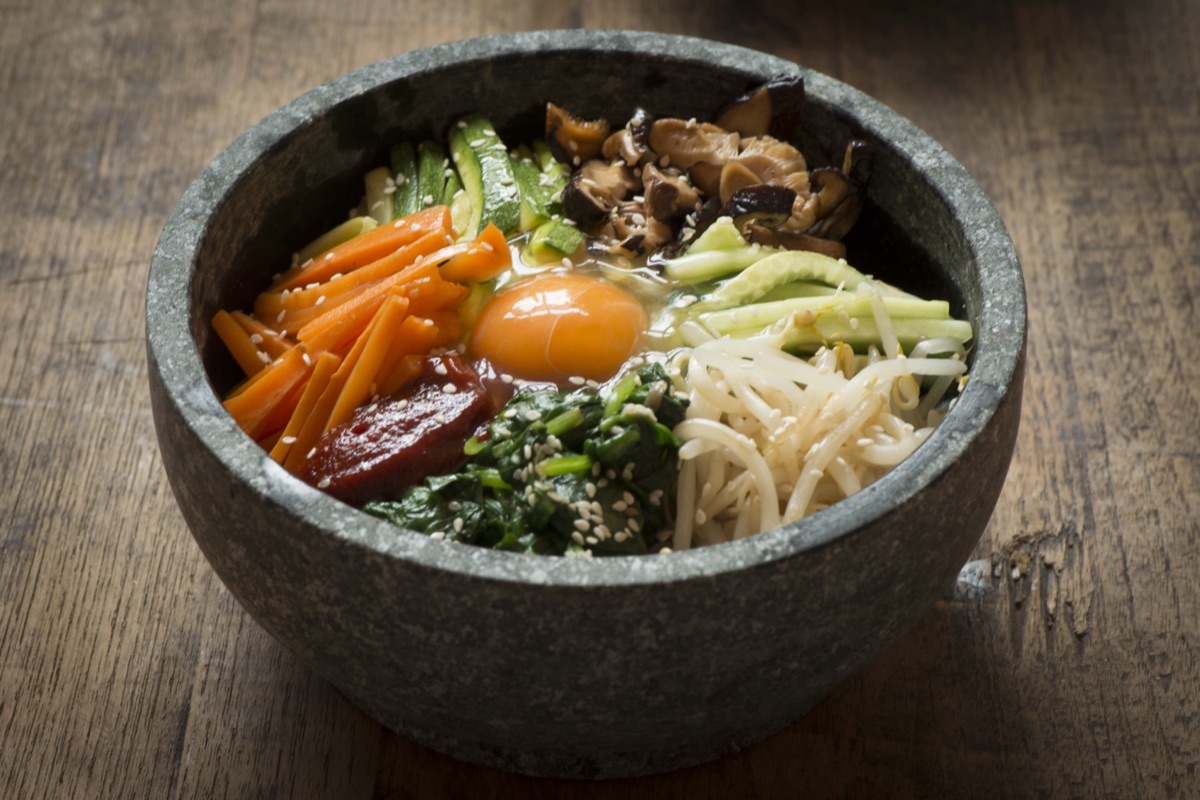
Bibimbap
Warm rice topped with seasoned vegetables, a fried egg, and gochujang — mixed together before the first bite.
Sanchae-bibimbap
Bibimbap made with wild mountain greens and foraged herbs instead of standard vegetables.
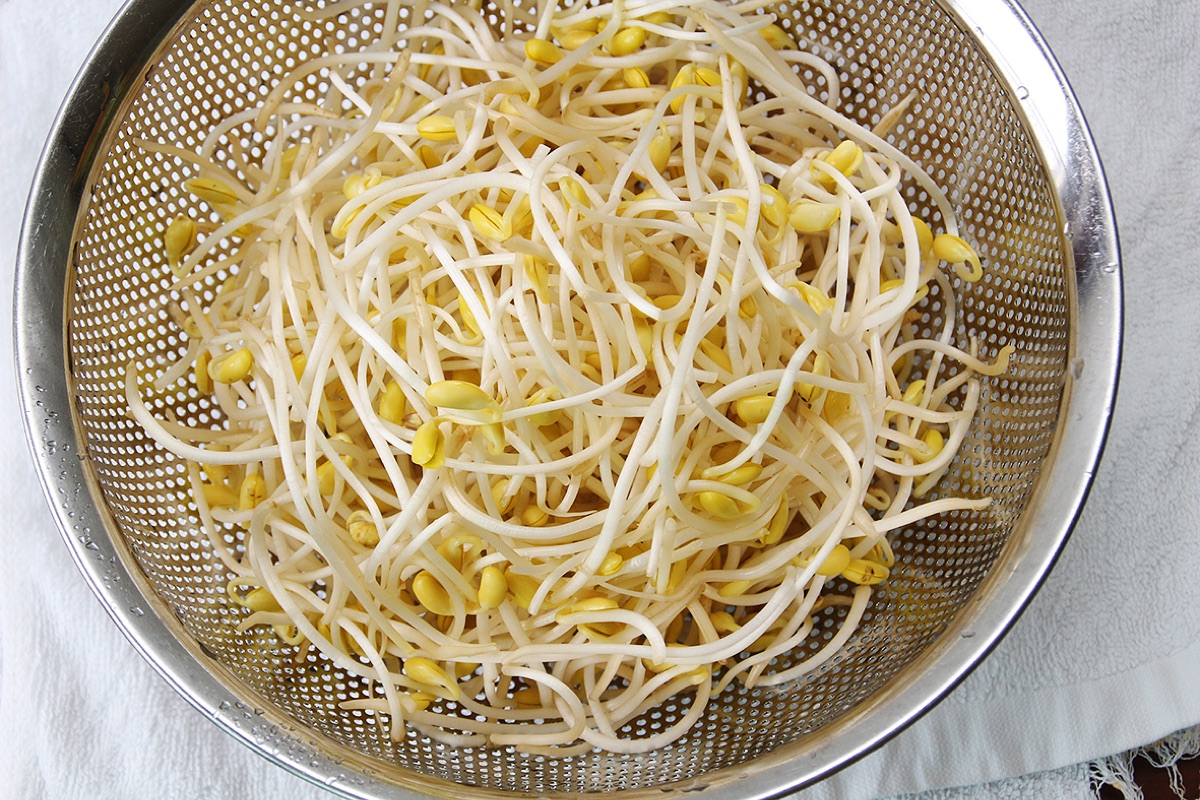
Kongnamul-muchim
Blanched soybean sprouts seasoned with sesame oil, garlic, and a touch of salt — a staple banchan on almost any Korean table.
Eat it the right way
Curated for this dish
Ergonomic Korean stainless chopsticks
Built for beginners — grip 무침밥 and every Korean dish with confidence. 36,000원 / $35
Comments