Noodle
Twigim-guksu
Fried Noodle Snack
Deep-fried bundles of noodles served as a crunchy street snack or side dish — a textural delight.
Twigim-guksu represents a different dimension of Korean noodle culture: rather than boiling or stir-frying, the noodles are deep-fried until shatteringly crisp, creating light, airy bundles that shatter pleasantly when bitten. The most common version uses cooked somyeon or udon noodles that are cooled, shaped into loose nests, and dropped into hot oil until golden and crunchy. The resulting snack can be eaten plain, dipped in a sweet-spicy tteokbokki-style sauce, or served alongside other street foods at pojangmacha. It is a popular item at Korean school food fairs and outdoor markets, where vendors sell small bags of crispy noodle bundles as an eating-while-walking snack. The technique also appears in home cooking as a way to use leftover cooked noodles, and the transformation from soft noodle to crunchy snack feels like a small kitchen miracle every time. Some restaurant versions incorporate seasoned vegetables or seafood into the noodle nest before frying, creating an ingredient-stuffed fritter that blurs the line between twigim-guksu and haemul-pajeon.
✦ Tastypinch tip
Use chopsticks to lift the bundle from the sauce — excessive soaking softens the crunch quickly.
How to eat it
- Eat plain or dip into a sweet-spicy sauce provided by the vendor.
- Handle carefully — the fried noodle bundles are fragile and crumble when squeezed.
- Best eaten immediately while still hot and crispy.
Common mistakes
- Letting them sit in sauce — they lose their crunch within a minute of soaking.
Where to try it
- Street food vendors at Korean outdoor markets and food fairs
- Pojangmacha alongside tteokbokki
You may also like
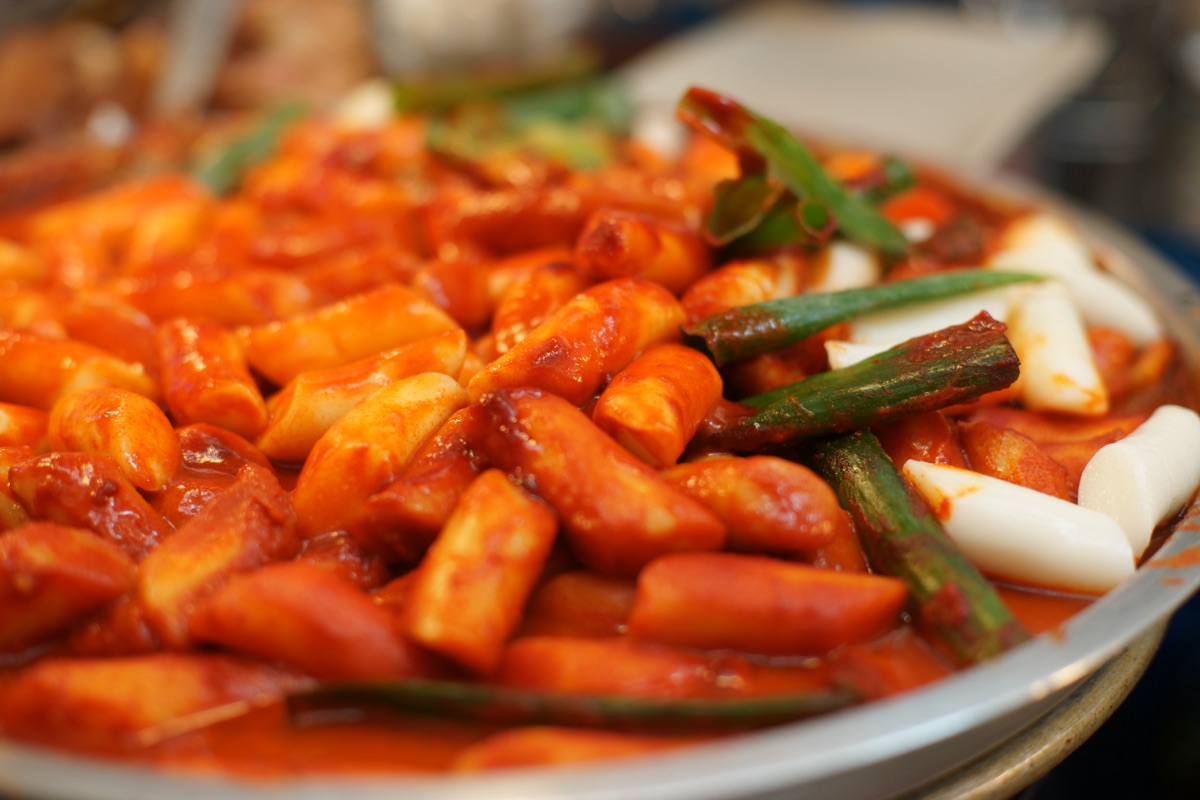
Tteokbokki
Chewy rice cakes simmered in a sweet-spicy gochujang sauce — Korea's most iconic street snack.
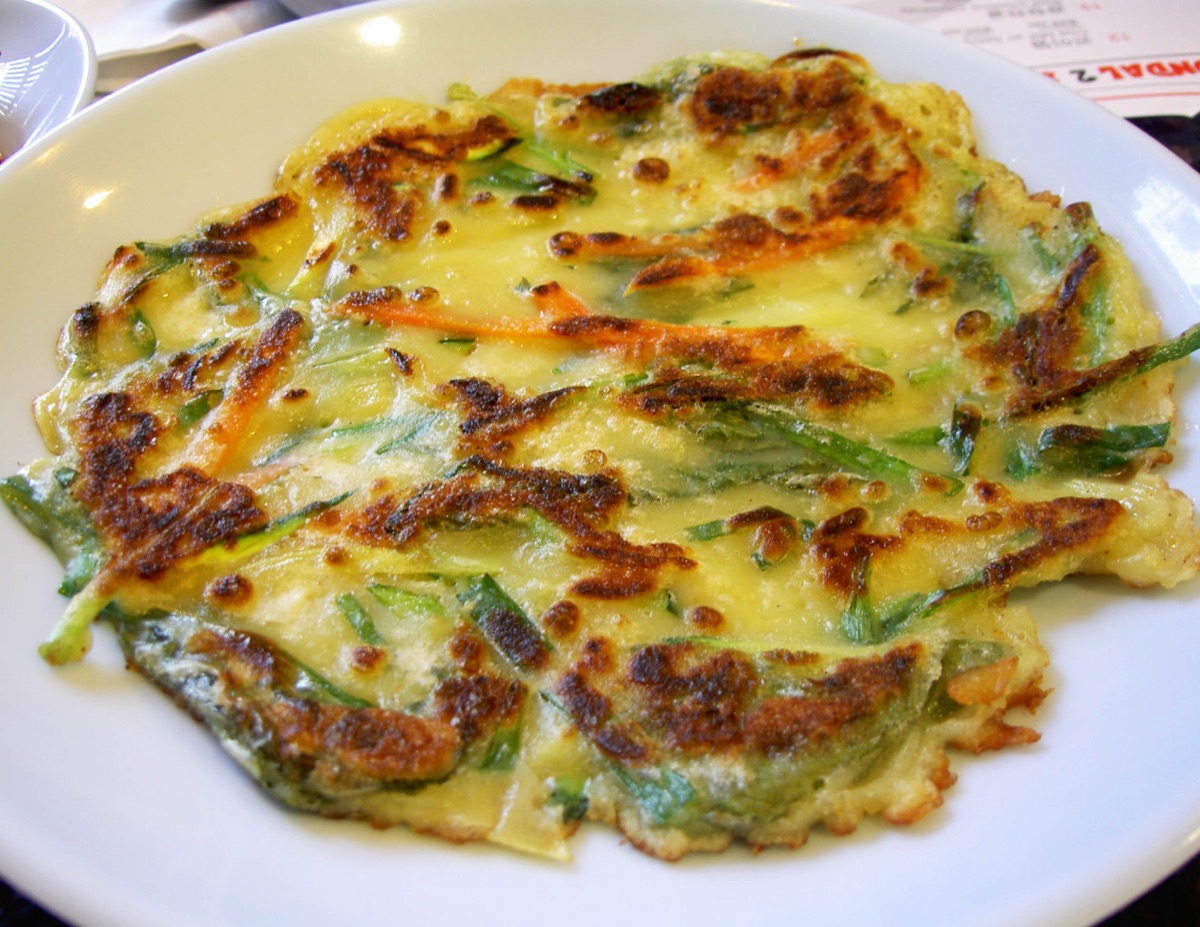
Haemul-pajeon
A crisp scallion-and-seafood pancake — the classic rainy-day dish, best enjoyed with makgeolli.
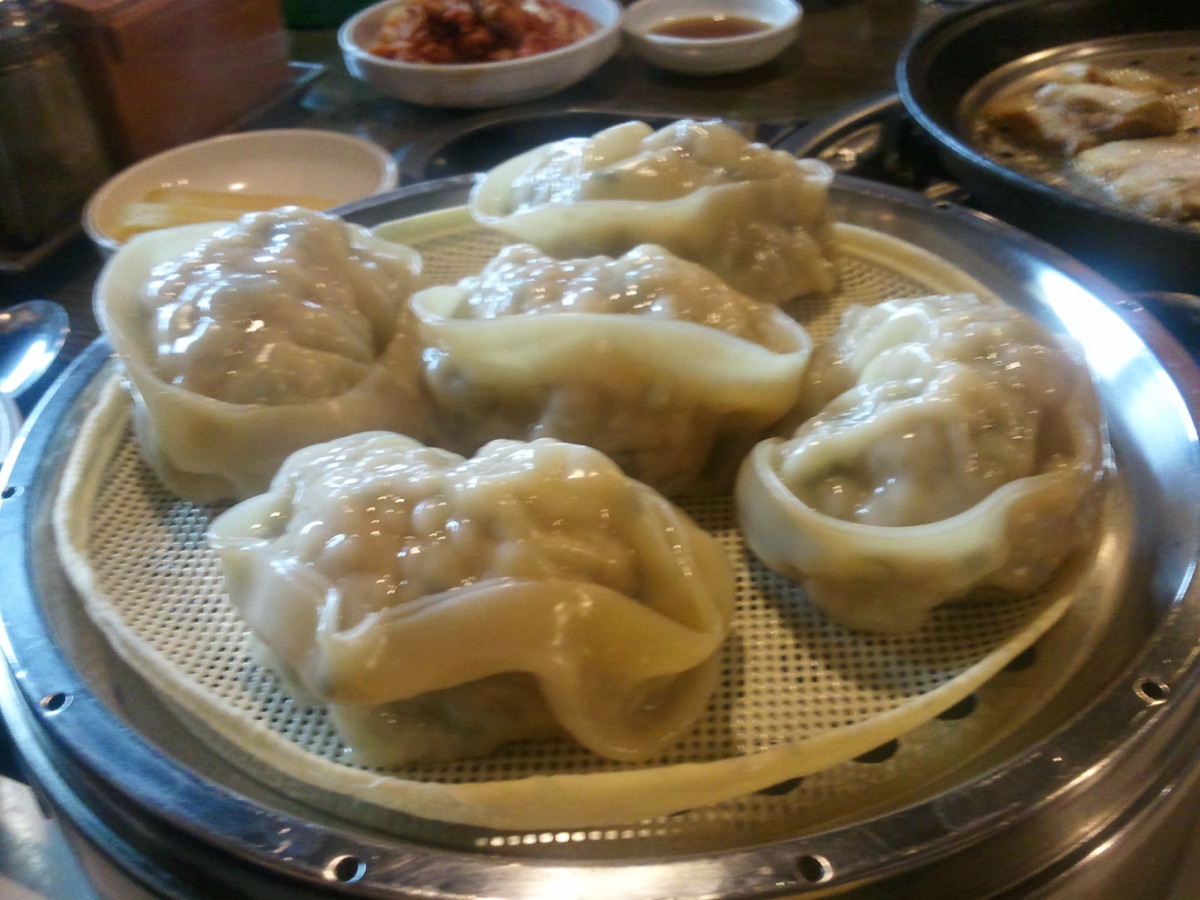
Mandu
Korean dumplings filled with pork, vegetables, or kimchi — steamed, boiled, or fried, and endlessly versatile.
Eat it the right way
Curated for this dish
Ergonomic Korean stainless chopsticks
Built for beginners — grip 튀김국수 and every Korean dish with confidence. 36,000원 / $35
Comments