Soup & stew
Haemul-jjigae
Seafood Stew
A bubbling, spiced stew loaded with mixed shellfish, squid, and vegetables in a gochugaru-spiked anchovy broth.
Haemul-jjigae is the ocean's contribution to Korea's jjigae tradition — a boisterous, aromatic stew in which the sea asserts itself through clams that open to release their briny liquor, shrimp that turn sweetly pink, squid that tightens into satisfying rings, and mussels whose shells frame the pot with dramatic colour. The broth is typically built on a dried anchovy and kelp stock, then inflamed with gochugaru and gochujang, creating a backdrop that is simultaneously deep, spicy, and savoury. Coastal cities like Busan, Yeosu, and Tongyeong have their own variations — Busan's version often features ample mussel and clam, while the south coast adds fresh oysters in winter. The dish arrived on restaurant menus as seafood became more widely affordable in post-war Korea, and it now appears in every level of Korean dining from pojangmacha tents to hotel restaurants. Haemul-jjigae is frequently ordered as a group dish, set in the middle of the table alongside grilled meat, its peppery steam cutting through the fat. The soup base left after the seafood is eaten is prized for dunking rice.
✦ Tastypinch tip
Hold shells steady on the pot rim and use chopsticks to extract the meat.
How to eat it
- Let the stew settle for 30 seconds before eating — it arrives at a violent boil.
- Pry open clam and mussel shells with chopsticks or your fingers.
- Save the rich broth at the end to mix with rice.
Common mistakes
- Discarding the remaining broth — it is the best part for mixing with final spoonfuls of rice.
Where to try it
- Jagalchi Market restaurants, Busan
- Noryangjin Fish Market area restaurants, Seoul
You may also like

Soondubu-jjigae
A bubbling, intensely spiced stew built around silken soft tofu, clams or pork, and a vivid gochugaru broth.
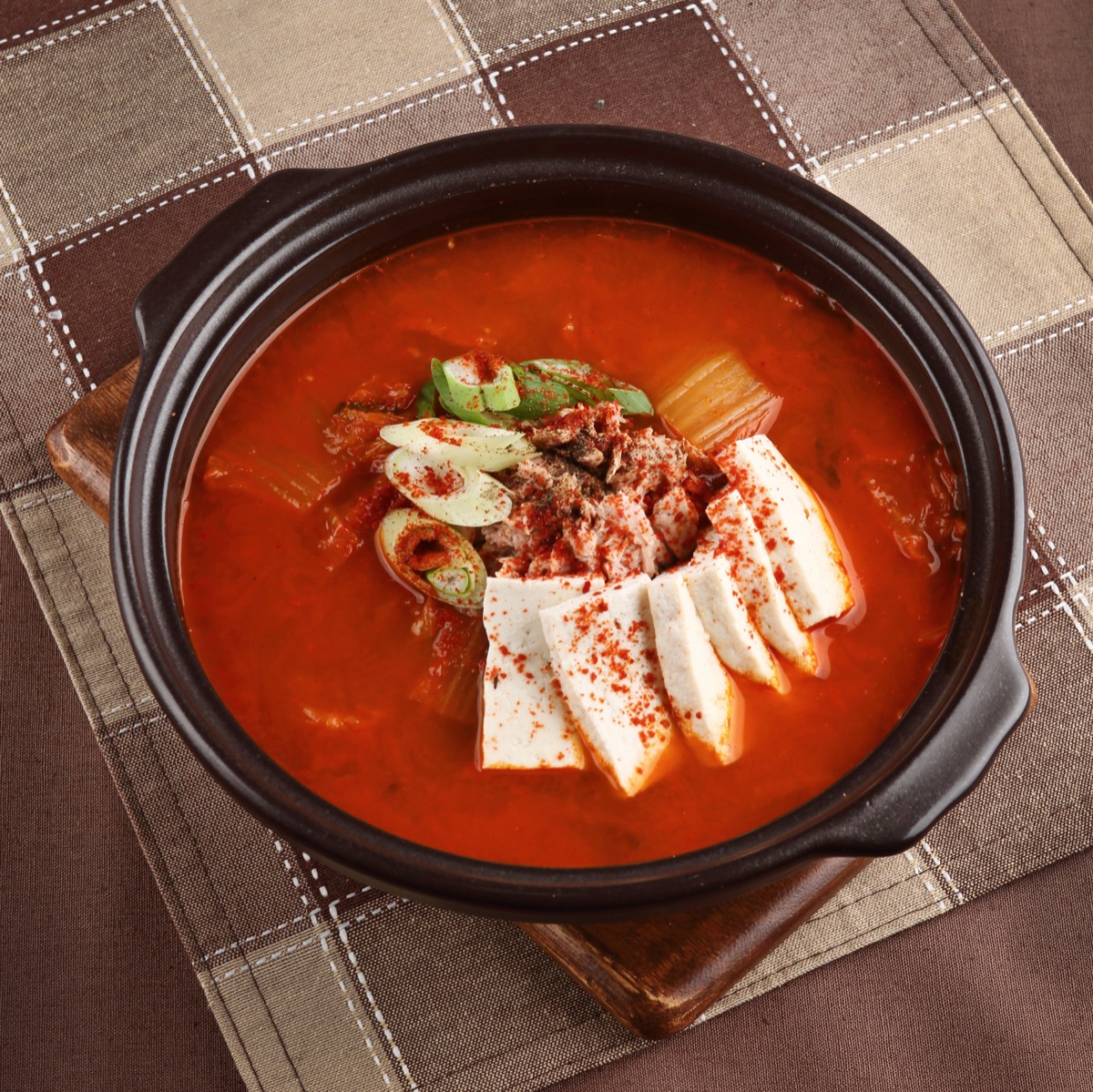
Kimchi-jjigae
A simmering stew of aged kimchi, pork, and tofu — one of the most ordered everyday meals in Korea.
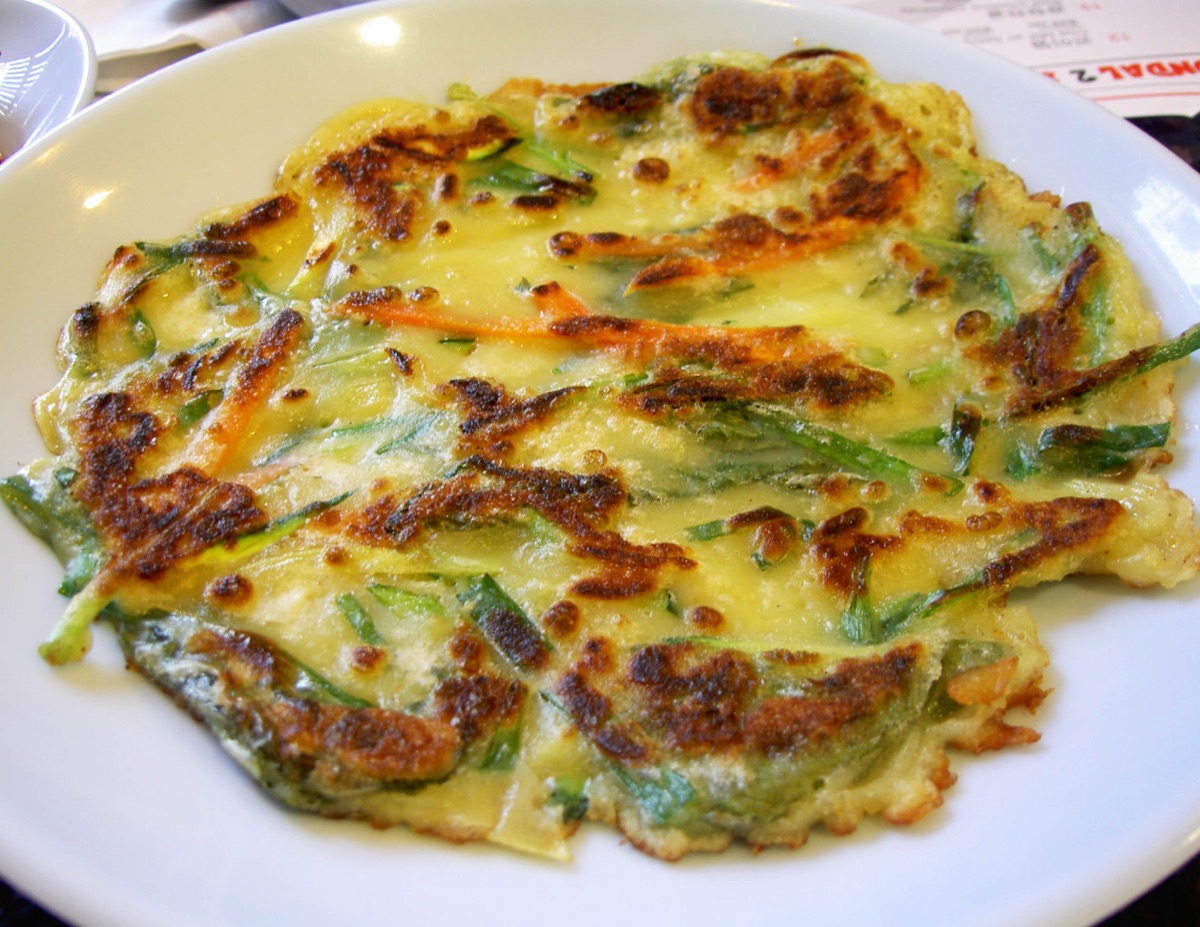
Haemul-pajeon
A crisp scallion-and-seafood pancake — the classic rainy-day dish, best enjoyed with makgeolli.
Eat it the right way
Curated for this dish
Ergonomic Korean stainless chopsticks
Built for beginners — grip 해물찌개 and every Korean dish with confidence. 36,000원 / $35
Comments