Fermented
Cheonggukjang
Fast-Fermented Soybean Paste

Korea's pungent fast-fermented soybean paste — aged just 2–3 days for a powerfully funky, probiotic-rich flavor.
Cheonggukjang is the boldest and most intensely aromatic member of Korea's fermented soybean family, made by fermenting cooked whole soybeans with the bacterium Bacillus subtilis (naturally present on rice straw) for just two to three days at warm temperatures — producing a stringy, pungent paste that is sometimes compared to Japanese natto, though its texture is less stringy and its flavor more deeply funky. Historical records suggest it was developed as a military ration during the Three Kingdoms period precisely because its short fermentation time meant it could be produced quickly in the field, unlike the months-long process required for doenjang. The smell is famously polarizing — intense, barnyard-like, and pervasive — and apartment building rules in some Korean neighborhoods reportedly prohibit cooking it due to the aroma traveling through ventilation systems. Despite (or because of) this, cheonggukjang-jjigae is a beloved winter comfort food for Koreans who appreciate its extraordinary warmth and nutritional depth, packed with probiotics, complete proteins, and nattokinase enzymes. A restaurant specializing in cheonggukjang-jjigae in the countryside on a cold day is a very particular and profound Korean pleasure.
How to eat it
- Order as a jjigae (stew) — eating the paste raw is rarely done.
- Stir the stew well before eating to distribute the paste evenly.
- Pair with kimchi and plain rice for the classic winter combination.
- Give the aroma time — many first-time eaters find the smell more intimidating than the taste.
Common mistakes
- Judging the taste by the smell — the flavor is milder and more approachable than the aroma suggests.
Where to try it
- Cheonggukjang specialist restaurants in rural Gyeonggi-do and Chungcheong Province
- Traditional health-food restaurants in Seoul's Insadong
You may also like

Doenjang
Korea's ancient fermented soybean paste — earthy, pungent, and the umami backbone of Korean cooking.
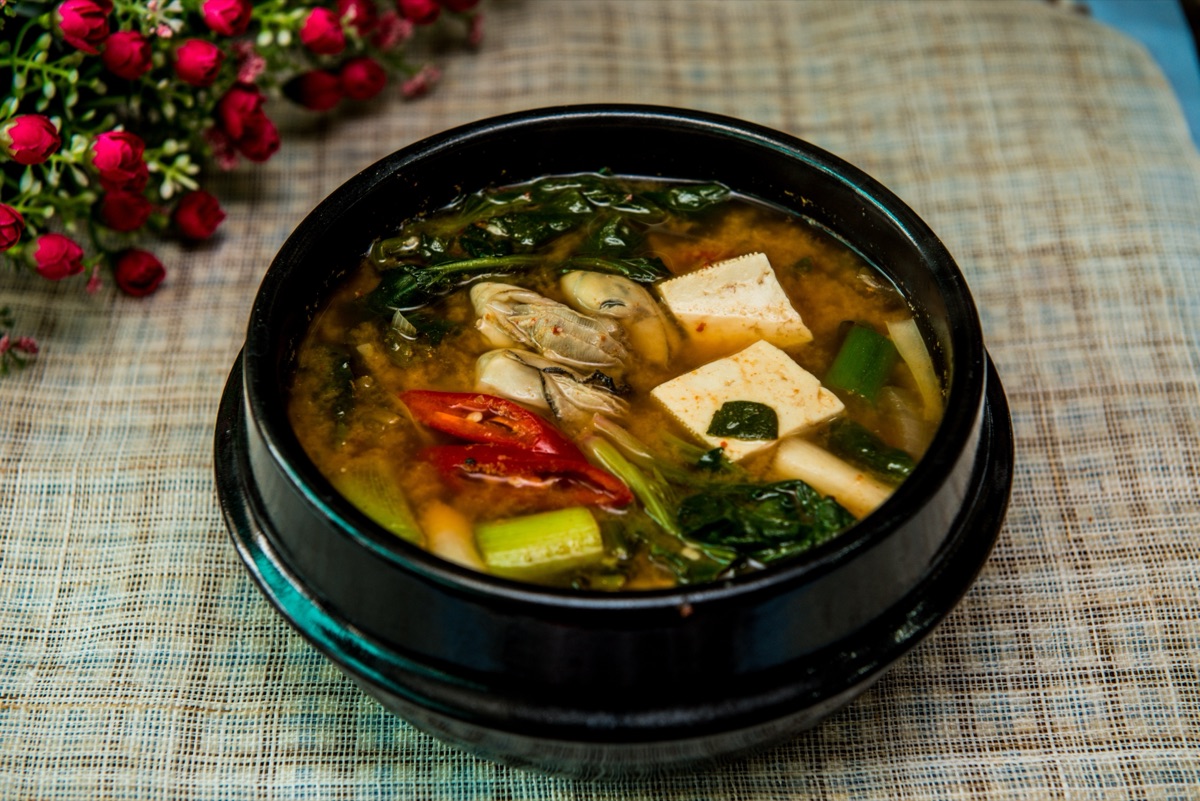
Doenjang-jjigae
An earthy stew of fermented soybean paste with tofu and vegetables — the savory backbone of the Korean table.
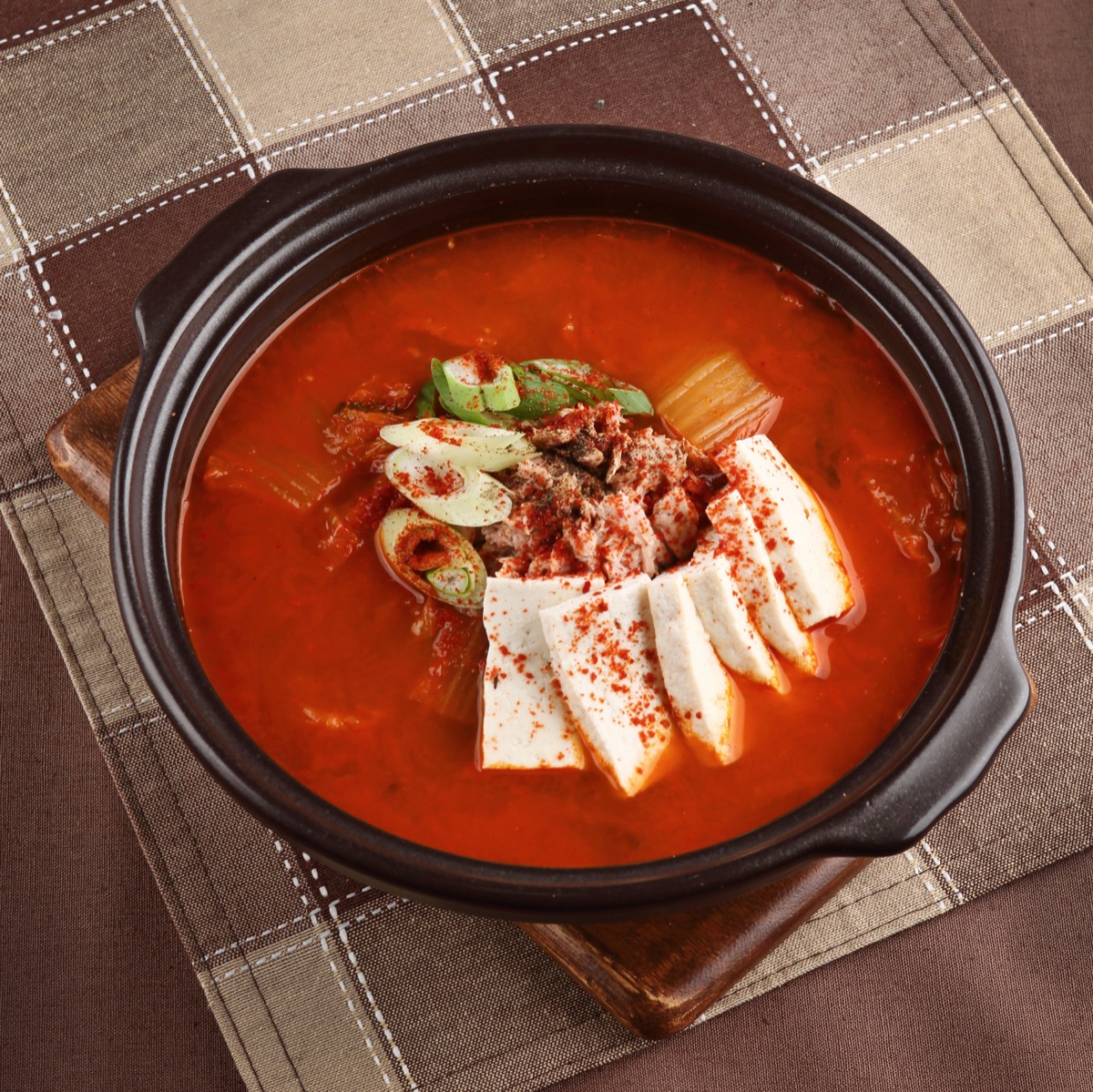
Kimchi-jjigae
A simmering stew of aged kimchi, pork, and tofu — one of the most ordered everyday meals in Korea.

Gochujang
Korea's iconic fermented chili paste — sweet, spicy, and deeply savory with a sticky, glossy texture.
Eat it the right way
Curated for this dish
Ergonomic Korean stainless chopsticks
Built for beginners — grip 청국장 and every Korean dish with confidence. 36,000원 / $35
Comments