Fermented
Ganjang-hobak-jangajji
Soy Sauce Pickled Zucchini

Zucchini slices cured in soy sauce brine until deeply flavored — a sweet-savory banchan that keeps for weeks.
Jangajji is the Korean tradition of preserving vegetables in soy sauce, ganjang, doenjang, or gochujang brine, and zucchini (hobak) pickled in soy sauce is one of the most common and beloved varieties found in Korean home kitchens. Thick rounds of Korean zucchini are either sun-dried slightly to remove excess moisture or packed directly into a jar with a seasoned soy sauce brine — sometimes including garlic, dried chili, and sesame — and left to cure for at least a week and often several months. The soy sauce draws out the vegetable's natural moisture while infusing it with umami, garlic depth, and a gentle sweetness from the vegetable itself, creating a banchan with a concentrated flavor that outweighs its simple ingredients. Korean grandmothers traditionally put up jars of jangajji each autumn to provide reliable banchan through the winter months when fresh vegetables were scarce, and the tradition persists today as a practical and beloved part of home cooking. The texture is pleasantly chewy and semi-dried, quite different from fresh zucchini, and a single jar sitting on the refrigerator shelf represents a weeks-long supply of effortless banchan for any bowl of rice.
How to eat it
- Serve 2–3 slices per person alongside rice — the flavor is concentrated.
- Drizzle with a little sesame oil before serving to brighten the flavor.
- Pair with doenjang-jjigae for a classic home-cooked Korean meal.
Where to try it
- Korean home kitchens
- Traditional banchan shops at Gwangjang Market, Seoul
You may also like
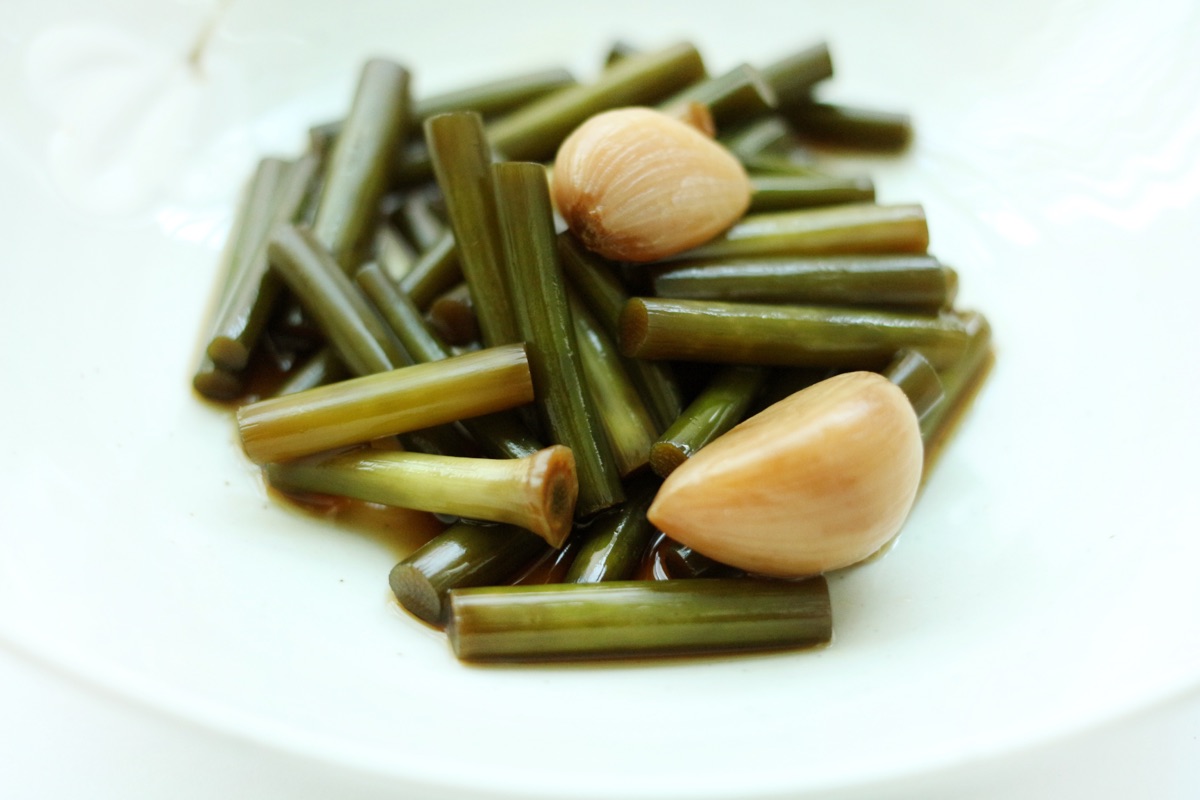
Jangajji
Vegetables pickled in soy sauce, vinegar, or soybean paste — salty, tangy preserves that sharpen any meal.

Doenjang
Korea's ancient fermented soybean paste — earthy, pungent, and the umami backbone of Korean cooking.

Ganjang
Korea's traditional fermented soy sauce — lighter and saltier than Japanese varieties, with centuries of history.
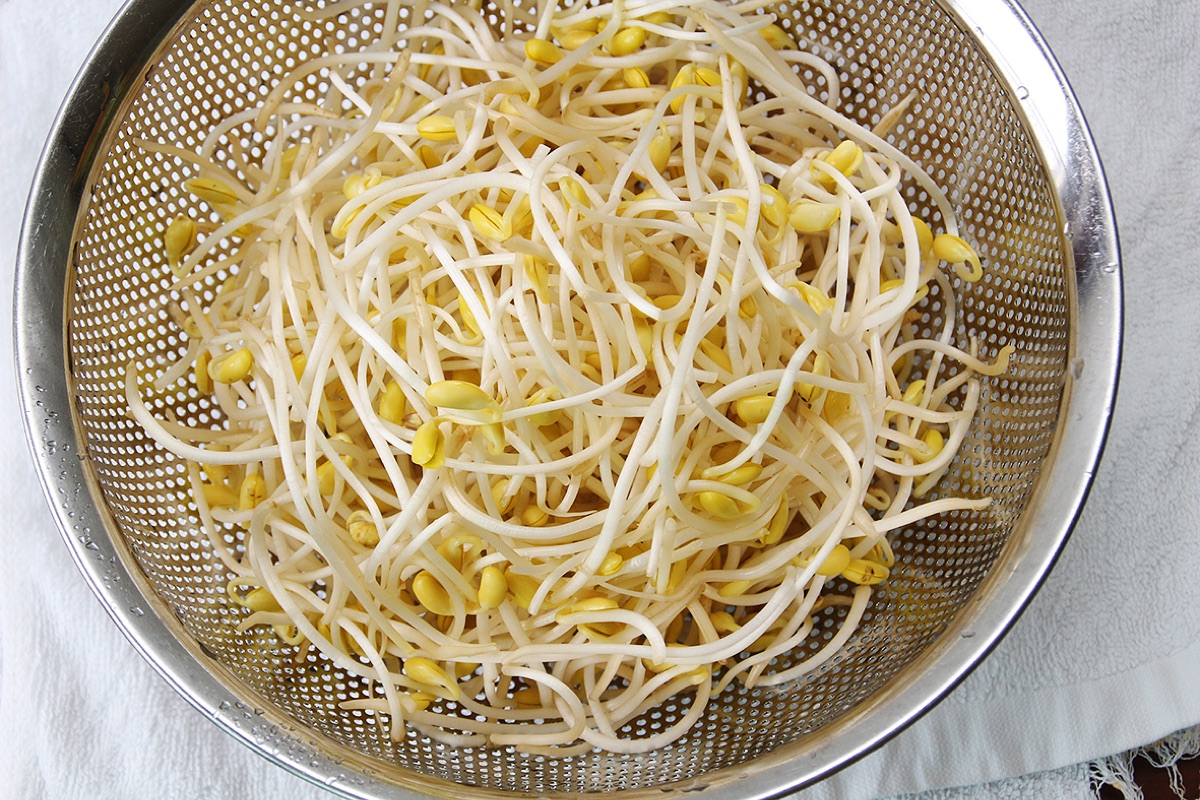
Kongnamul-muchim
Blanched soybean sprouts seasoned with sesame oil, garlic, and a touch of salt — a staple banchan on almost any Korean table.
Eat it the right way
Curated for this dish
Ergonomic Korean stainless chopsticks
Built for beginners — grip 간장 호박 장아찌 and every Korean dish with confidence. 36,000원 / $35
Comments