Fermented
Myeongnan-jeot
Salted Pollock Roe

Plump pollock roe sacs cured in salt and chili — Korea's answer to bottarga, beloved for its pop and brine.
Myeongnan-jeot is one of Korea's most beloved jeotgal varieties, made from the roe sacs of Alaska pollock (myeongtae) cured in salt and seasoned with gochugaru, garlic, and green onion — a Korean staple that the Japanese later adopted as mentaiko, now famous worldwide. The roe is harvested in winter during pollock season in the cold northeastern seas, and the best quality myeongnan-jeot comes from Busan's Gukje Market (국제시장), which developed as a hub for the fermented fish trade after the Korean War brought northern refugees skilled in its production. Each sac is packed tightly with tiny orange eggs that burst with a delicate brine when bitten, and the combination of salt, chili heat, and fresh seafood richness makes it one of the most satisfying banchan to eat with plain rice — a single sac alongside a bowl of rice is considered a complete, deeply satisfying meal. Myeongnan-jeot has seen a major cultural revival in recent years, appearing as a gourmet ingredient in fried rice, pasta, and cream sauces as Korean chefs explore its potential beyond the traditional table.
✦ Tastypinch tip
The sac is delicate — grip gently or it will burst before reaching your rice.
How to eat it
- Place one whole roe sac on top of your rice bowl.
- Break it open with chopsticks so the eggs mix into the rice.
- Eat with a light soup to balance the saltiness.
Where to try it
- Gukje Market (국제시장), Busan
- Myeongnan-jeot specialty shops in Busan's Jung-gu
You may also like

Saeu-jeot
Tiny salted shrimp fermented into a pungent paste — an essential kimchi ingredient and seasoning in Korean cooking.

Ojingeo-jeot
Chewy, intensely savory fermented squid cut into pieces and seasoned with chili — a bold banchan from the sea.
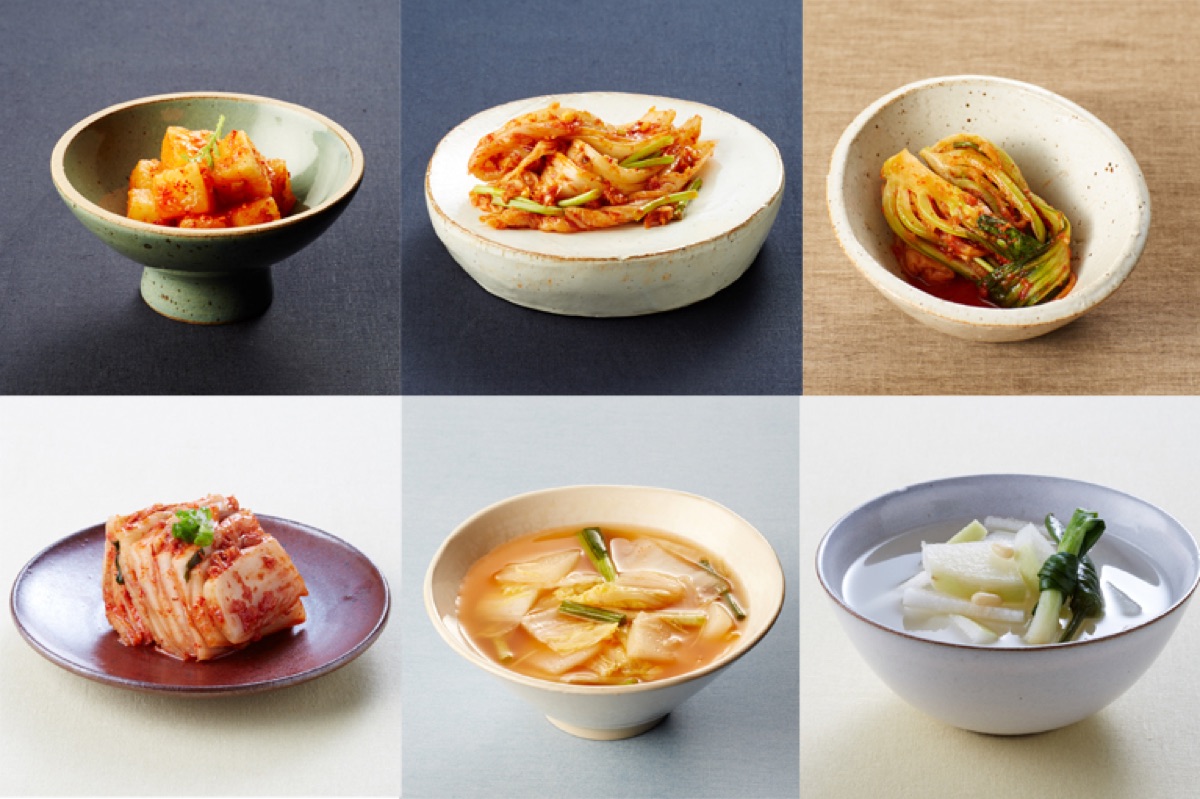
Kimchi
Napa cabbage fermented with chili, garlic, and salted seafood — the iconic, ever-present Korean side dish.
Ganjang-gejang
Raw blue crab cured in a soy-garlic brine — although technically raw, it is table-finished and classically paired with grilled dishes.
Eat it the right way
Curated for this dish
Ergonomic Korean stainless chopsticks
Built for beginners — grip 명란젓 and every Korean dish with confidence. 36,000원 / $35
Comments